Mahama suspends international travel for state board members
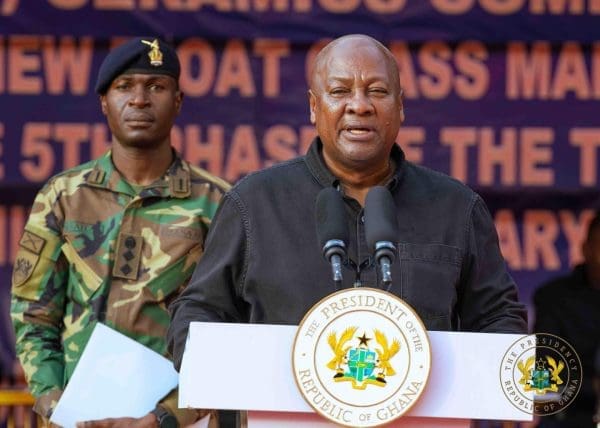
President John Mahama
President John Dramani Mahama has ordered an immediate halt to international travel by boards of state-owned enterprises and public institutions for taxpayer-funded training programmes, conferences, retreats and study tours, in a move aimed at tightening public expenditure.
The directive, issued from the Jubilee House on March 5 and signed by Secretary to the President, Callistus Mahama, comes amid growing concern within government about the frequency and cost of overseas trips undertaken by boards of public institutions.
“It has come to the attention of the President that some Boards of State-Owned Enterprises and other public institutions have increasingly undertaken international travel for training programmes, retreats, conferences, and study tours,” the directive stated.
Although the presidency acknowledged the importance of exposure to global best practices and professional development opportunities, it noted that the cumulative financial burden of such travel had become increasingly difficult to sustain. Expenses associated with international trips — including airfares, accommodation, per diems and logistical arrangements — were cited as placing significant strain on public finances at a time when the government is pursuing stronger fiscal discipline.
The ban takes immediate effect and prohibits boards from undertaking any international travel for training, retreats, conferences or study tours financed directly or indirectly with public funds.
The directive, however, provides room for rare exceptions. Where an international engagement is considered indispensable and cannot reasonably be conducted locally or through virtual platforms, institutions must submit a formal request through their sector minister to the Chief of Staff at the Office of the President for the President’s express approval.
Such requests must include detailed justification outlining the purpose of the travel, expected outcomes, strategic relevance to the institution’s mandate, the number of participants, the estimated cost and reasons the objectives cannot be achieved through local or virtual alternatives.
Beyond the restrictions, the presidency is encouraging ministries and their agencies to prioritise local training opportunities, in-country retreats and collaborations with Ghanaian universities, professional bodies and other reputable institutions as more cost-effective avenues for capacity development.
Institutions have also been advised to make greater use of virtual platforms, technical exchanges and short-term expert engagements within Ghana where specialised knowledge is required.
Ministers have been tasked with ensuring that boards concentrate on their statutory governance and oversight responsibilities and that any capacity-building initiatives are carefully evaluated for necessity, value and cost-effectiveness.
According to the presidency, the measure forms part of a wider strategy to tighten expenditure controls, reduce non-essential spending and channel scarce national resources toward priority programmes, infrastructure projects and social interventions that directly benefit Ghanaians.
All ministers have been instructed to immediately communicate the directive to boards, chief executive officers and management teams of state-owned enterprises and public institutions under their supervision and ensure strict compliance.
The statement concluded with formal assurances conveyed on behalf of the President.