Communicators urged to reclaim Africa’s narrative
African communicators, journalists, corporate leaders and storytellers have been urged to take deliberate steps to reclaim and reshape the continent’s narrative by telling and shaping the African stories.
The call was made at the maiden edition of the Communicating Africa Summit held at the GNAT Hall in Accra on Tuesday on the theme: “Narrating Africa: Media Identity and the Responsibility of Communicators.”
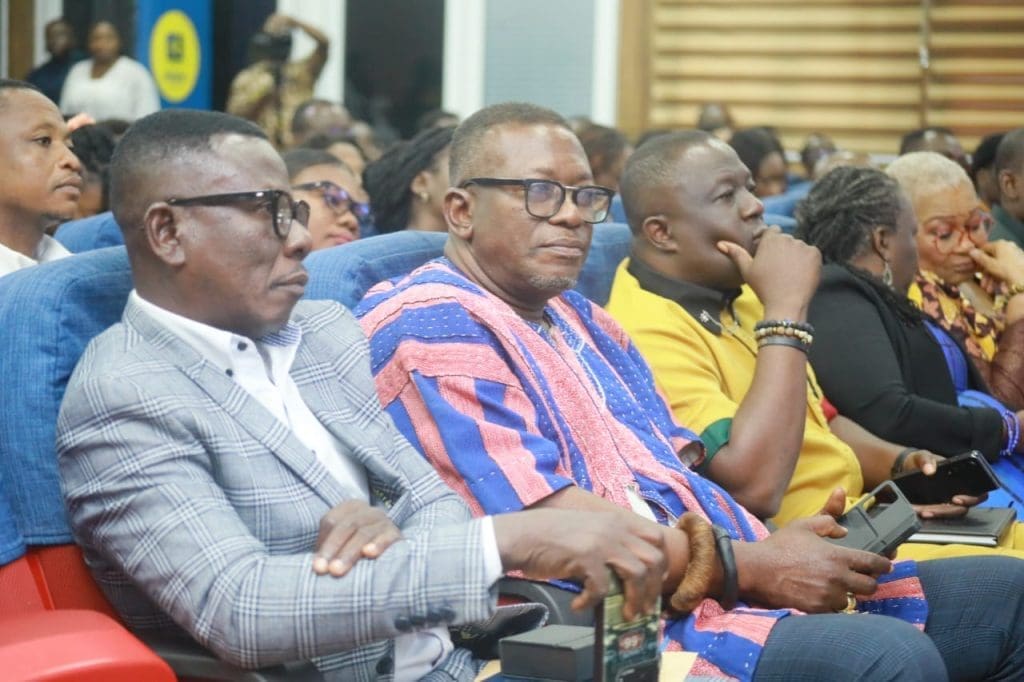
The summit brought together communicators, journalists, filmmakers, researchers, policy advocates and corporate leaders to deliberate on the continent’s image and the responsibility of African storytellers in shaping new narratives about the continent.
The organisers said the summit aimed to become “the leading pan-African platform advancing African voices, narratives and storytellers for global impact and Africa’s progress.”
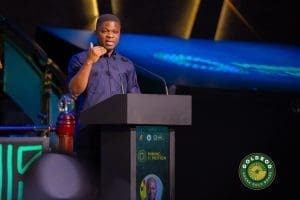
Delivering the keynote address, Prof. Audrey Sitsofe Gadzekpo said Africa’s failure to tell its own story continued to impose profound psychological and economic costs on the continent.
She said persistent negative and crisis-driven portrayals of Africa in sections of the Western media had weakened investor confidence, reinforced harmful stereotypes and contributed to higher borrowing costs for African countries.
“There is a profound psychological and economic cost to the negative, crisis-driven reporting about our continent,” she said.
“Psychologically, the dehumanising frame of Africa internalises in our people a colonial anxiety and robs us of pride and beauty. Economically, it creates a risk profile that costs us dearly,” she added.
Prof. Gadzekpo said reclaiming Africa’s narrative was not merely a public relations exercise but an economic and developmental necessity.
Referencing Nigerian author Chimamanda Ngozi Adichie’s satirical essay, How to Write About Africa, she said the work exposed deeply entrenched stereotypes and racist imagery that had historically shaped global perceptions of Africa.
According to her, sections of the international media had for centuries reduced Africa to a single narrative of poverty, conflict, disease and helplessness.
Quoting Ugandan-born journalist Milton Allimadi’s book, The Hearts of Darkness: How White Writers Created the Racist Image of Africa, she said foreign correspondents and editors deliberately framed Africa negatively to justify colonial exploitation and the plunder of the continent’s resources.
“The media have manufactured and disseminated the predominant image of Africans as savages in order to justify the exploitation of the continent and the plunder of its resources,” she stated.
She said such portrayals continued to affect Africa’s standing in the global financial system.
“Africa is seen as a high-risk investment destination, a bad address, and as a result, international credit rating agencies impose artificially high borrowing costs on the continent,” she explained.
Prof. Gadzekpo said reports suggested Africa lost billions of dollars annually in avoidable interest payments largely due to negative global perceptions fuelled by persistent crisis-focused reporting.
“Every story about coups, conflict, disease, famine and corruption affects investor pricing and confidence,” she said.
She further cautioned against what Chimamanda Adichie described as “the single story,” warning that reducing Africa to one dominant narrative erased the continent’s diversity, resilience and complexity.
“What makes single stories dangerous is not that they are entirely false, but that they are incomplete,” she stated.
She acknowledged that while poverty, governance challenges and conflict existed, they should not eclipse stories of innovation, democratic participation, creativity and economic transformation across the continent.
Technology and storytelling
Prof. Gadzekpo said digital platforms and emerging technologies were creating new opportunities for African storytellers to bypass traditional Western gatekeepers and reach global audiences directly.
“A photojournalist in Accra can now reach a global audience before a foreign correspondent files a report,” she said.
She added that artificial intelligence (AI) offered significant opportunities for multilingual storytelling, fact-checking, data journalism and multimedia content production.
However, she warned that many AI systems were predominantly trained on Western datasets and therefore carried embedded biases about Africa.
“If we use these tools uncritically, we risk automating the very stereotypes we are trying to dismantle,” she cautioned.
She called for greater African participation in the design, governance and training of AI systems to ensure African languages, voices and realities were adequately represented.
“We must be in the rooms where these technologies are being shaped and not merely remain populations shaped by them,” she said.
Prof. Gadzekpo urged African communicators to use every available platform, including documentary film, podcasting, digital media and AI tools, to tell stories that reflected the dignity and humanity of African societies.
“The most powerful technology we possess is not artificial intelligence or a smartphone camera,” she said.
“It is the ancient and irreplaceable human technology of a story told courageously, with precision and with love for the people at its centre.”
Addressing participants at the event, communications advocate for social change, Torgbe Kwasinyi Kakaklolo Agyeman V, said Africa’s greatest responsibility in the 21st century was to tell its own story or risk being misrepresented by others.
“In the 21st century, the country that cannot tell its own story will be told by someone else, and that telling will not be kind to you,” he stated.
He described communication as a “currency that changes narratives” and urged Africans to “take a seat at our own table and be fully present on our own terms.”
According to him, the summit represented more than a gathering, describing it as “a fellowship of African communities who shape language, image and public meaning across the continent.”
He stressed that reshaping Africa’s narrative would require patience, consistency and active listening.
“Listening is key because the community that does not listen only echoes,” he added.
Corporate Africa
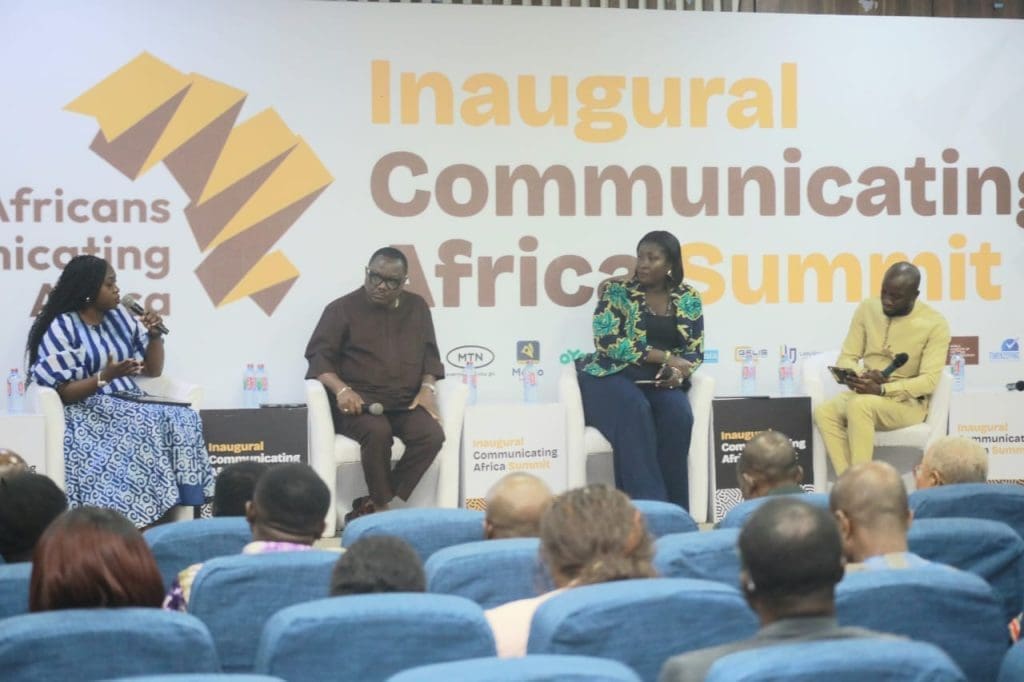
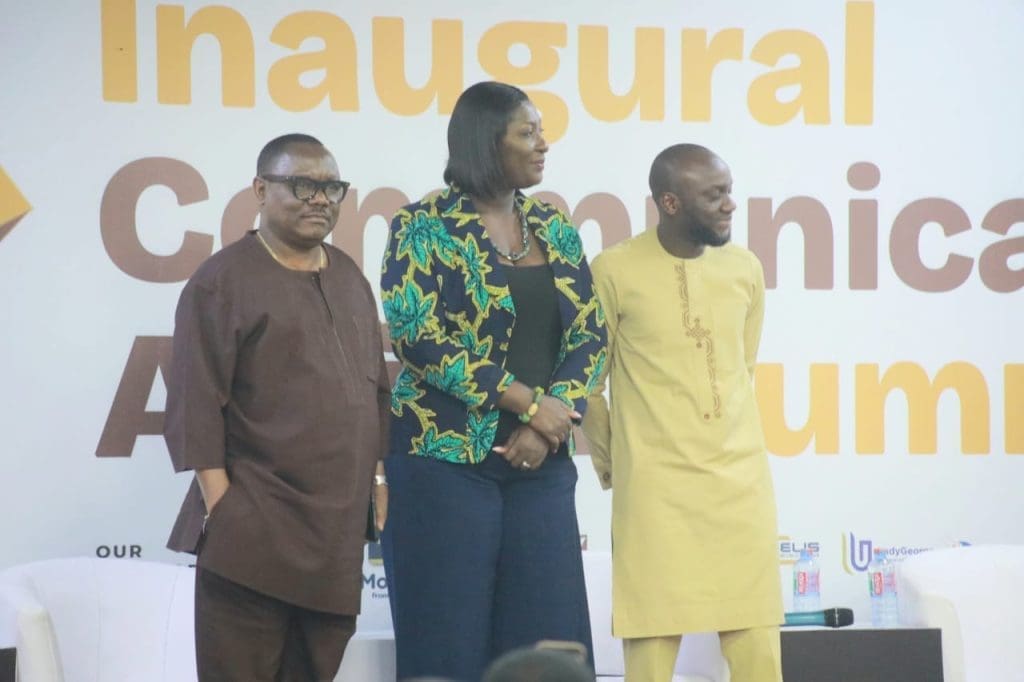
The first panel discussion, themed “African CEOs Communicating Africa,” examined how businesses and institutions could help reshape perceptions about the continent.
A Senior Manager for Enterprise Risk, Regulatory, Risk and Compliance at Mobile Money Limited, Nanatunde Davies, said Africa continued to be unfairly portrayed as a continent with only future potential despite significant progress already made.
“Africa is still described as being in its infancy when we have already grown,” she said.
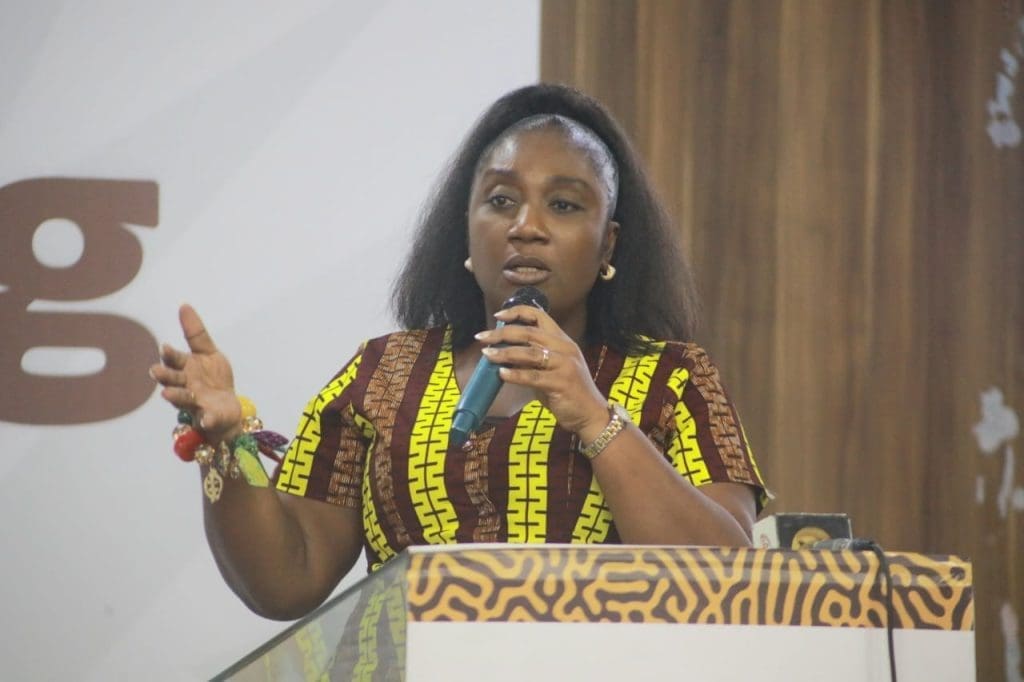
The Chief Executive Officer of the Ghana Chamber of Telecommunications and Digital Chamber of Ghana, Silvia Owusu Ankomah, also challenged the narrative that Africa was perpetually “emerging.”
“We are leading in many forms,” she stated, citing the success of mobile money in deepening financial inclusion across the continent.
She urged communicators to highlight African success stories, particularly the growing influence of women entrepreneurs in the digital economy.
The Chief Executive Officer of Farmhouse Productions, Ivan Quashigah, said Africa was not lacking stories but rather platforms to distribute them globally.
“Africa is not in deficit of stories. The problem is that the platforms are controlled from outside us,” he said.
For his part, the Director-General of the Ghana Civil Aviation Authority, Rev. Stephen Arthur, underscored the role of aviation in connecting African people, cultures and economies.
He referenced initiatives such as the African Continental Free Trade Area (AfCFTA) as part of efforts towards building a more integrated continent.
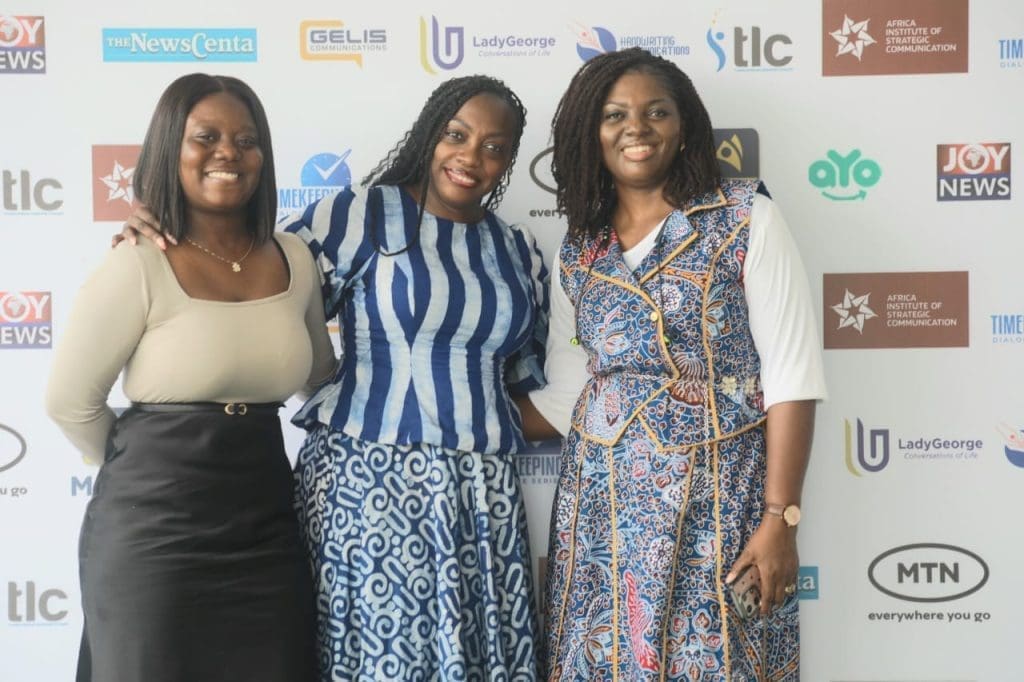
The second panel discussion focused on “Narrating Africa – Media, Identity and the Responsibility of Communicators.”
A communications lecturer and researcher, Dr Albert Anani Bossman, said the challenge surrounding Africa’s narrative was largely structural, particularly regarding who controlled the telling of the continent’s stories.
He identified weak infrastructure, low digital literacy, governance gaps and uneven technological adoption as barriers to fully harnessing emerging technologies such as AI for communication and storytelling.
A Senior Public Relations and Communications Expert, Sophia Kudjordji, stressed the need for intentionality in communication.
“We are communicating, but how deliberate are we in presenting our stories?” she asked.
A journalism lecturer, Dr Daniel Nkrumah, cautioned against the politicisation of African stories, saying it often distorted realities and undermined objective storytelling.
A cultural administrator, Kirstie Angstmann, also challenged Africans to reflect on how they portrayed themselves to the world, noting that identity and perception were shaped not only externally but also through self-representation.
By DANIEL NONOR, Accra