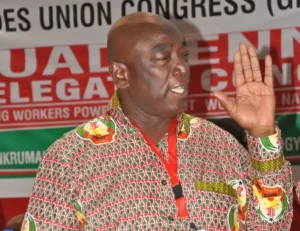
Vanderpuye reveals 5,260 jobs created under DRIP

DRIP machines
Former National Coordinator of the District Road Improvement Programme (DRIP), Nii Lante Vanderpuye, has highlighted the programme’s success in generating significant employment opportunities across Ghana.
According to Vanderpuye, DRIP created 5,260 jobs, describing it as one of the government’s major employment interventions. He noted that these jobs are part of wider efforts to build sustainable employment through infrastructure development and public investment.
Speaking on Channel One TV on Thursday, July 23, ahead of the 2026 Mid-Year Budget Review, Vanderpuye called on Finance Minister Cassiel Ato Forson to present detailed data on jobs created under the government’s flagship infrastructure programmes.
“I’ll be happy if the Minister comes to give accurate and present data on all the people who have gotten jobs under the Big Push. I don’t think that should be difficult to do. All the contractors can tell you the number of people they have employed,” he said.
Vanderpuye maintained that the government’s infrastructure drive had already translated into employment opportunities across the country, citing ongoing construction projects under the Big Push initiative.
“You travel to the east of the country, there are Big Push projects. To the west, Big Push. To the north, Big Push. All these contractors have employed Ghanaians and they are working,” he stated.
He further pointed to employment generated under other government initiatives, including the National Entrepreneurship and Innovation Programme (NEIP) and land reclamation projects being undertaken through the Minerals Income Investment Fund.
“I’m happy that under NEIP jobs have been created. I’m happy that through the Minerals Income Investment Fund, jobs have been created with people undertaking land reclamation. Even at my outfit alone, we created almost 5,260 jobs,” he disclosed.
While acknowledging that the government may not fully achieve its overall employment target, the former DRIP Coordinator argued that the jobs created under the various programmes are more sustainable because they are linked to long-term infrastructure and development projects.