Scrapping GH¢1 dumsor levy will burden Ghanaians — ACEP

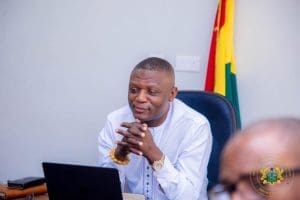
Executive Director of ACEP, Benjamin Boakye
The Africa Centre for Energy Policy (ACEP) has cautioned that any move to scrap the controversial ‘Dumsor levy‘ could ultimately do more harm than good, warning that the decision may transfer financial pressures onto ordinary Ghanaians rather than provide the relief many expect.
The levy, introduced as part of efforts to stabilise Ghana’s energy sector and address legacy debts, has long been a subject of public debate. While some argued that removing the charge would ease the cost-of-living burden, ACEP insisted that the reality is more complex.
According to the Executive Director of the Africa Centre for Energy Policy (ACEP), Benjamin Boakye, the funds generated from the levy play a critical role in servicing debts within the power sector, maintaining infrastructure, and ensuring consistent electricity supply.
Eliminating it without a clear and sustainable alternative revenue stream, the policy think tank argued, would create a financing gap that the government would still need to fill.
Speaking in an interview on Accra-based Citi FM on Wednesday, April 8, 2026, he said the GH¢1-per-litre levy, introduced to service energy sector debts, cannot be withdrawn without creating pressure elsewhere in the economy.
“If you take that one cedi out now, then there has to be some fiscal space created somewhere else, whether you suspend road construction, the building of schools, or even salaries…There will be some debt created for the same consumer to pay in other ways,” he said.
Boakye said Ghana’s exposure to such external shocks is limited and argued that the main issue lies in how petroleum taxes are structured and used.
He said ACEP estimates show that more than GH¢20 billion has been raised through levies on petroleum products for the energy sector over the past decade. According to him, these funds could have been used to build road infrastructure to reduce fuel consumption and ease pressure on consumers.
This comes after President John Dramani Mahama called an emergency cabinet meeting to deliberate on urgent steps to protect Ghanaians from surging fuel prices linked to ongoing Middle East tensions.
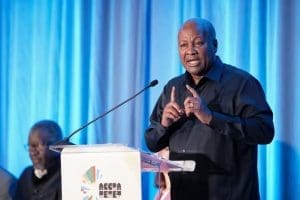
Addressing participants on day two of the Kwahu Business Forum on Saturday, April 4, 2026, he indicated that discussions will centre on practical measures to mitigate the effects of rising petroleum costs.
“I have called for this emergency cabinet meeting to decide on specific measures we can take to cushion petroleum prices while we hope the conflict comes to an end. There are adjustments we can make, particularly in the margins, to help maintain relatively stable prices as we pray for the war to cease,” Mahama stated.
He stressed that the government remains focused on easing economic pressure on citizens, adding that the cabinet will examine components of the fuel price build-up to determine possible interventions.