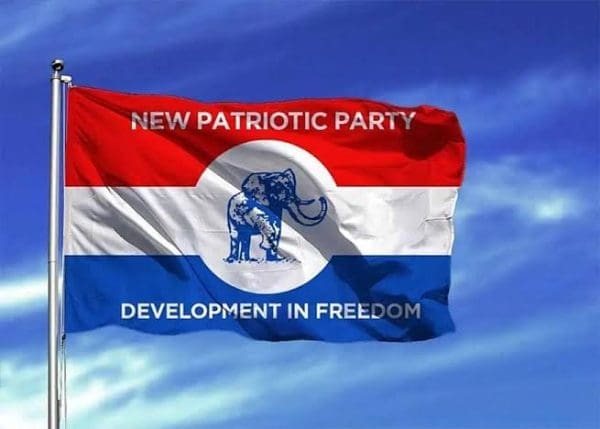
The New Patriotic Party (NPP) has introduced revised guidelines to regulate its internal elections, rolling out key reforms aimed at strengthening transparency, inclusiveness, and internal democracy.
In a statement dated April 8, 2026, and signed by General Secretary Justin Kodua Frimpong, the party said its National Executive Committee (NEC), acting on behalf of the National Council, approved the changes following a comprehensive review of existing procedures. According to the statement, the review was necessitated by practical challenges encountered during ongoing registration and electoral processes.
A central feature of the new framework is the adoption of a hybrid voting system that combines in-person balloting with the use of an official NPP e-voting platform. This system will be implemented across multiple levels of the party’s structure, including polling stations, electoral areas, branches, and chapters.
The revised guidelines also introduce clearer eligibility criteria, specifying that only members who have been active in the party for at least two years can vote or contest in certain internal elections.
At the polling station level, the rules provide for the suspension of elections in disputed areas—particularly where concerns arise over voter registration or access to the membership register. Such disputes will be escalated to higher party authorities for resolution.
The document further clarifies the structure and composition of executives at various levels. At the branch level, positions to be contested include Chairperson, Vice Chairpersons, Secretary, Treasurer, Organiser, Women’s Organiser, Youth Organiser, Nasara Organiser, and Communications Officer, among others.
In addition to elected roles, the party has created provisions for appointing officers in areas such as Research and Electoral Affairs to enhance operational efficiency. It also requires polling station officers seeking higher office to resign from their current positions before filing nominations.
To improve coordination, the guidelines define the number of polling stations and electoral areas to be supervised by election committees, while also outlining rules governing cluster and special polling stations.
As part of the broader reforms, the NPP has established an ad hoc committee to develop a comprehensive manual for party officers. The committee is chaired by Peter Mac Manu and includes members such as Osei Bonsu Amoah, Henry Nana Boakye, and Haruna Mohammed.
The party has urged all stakeholders to familiarise themselves with the revised guidelines and ensure full compliance, stressing that the reforms are intended to deliver a smooth, credible, and inclusive electoral process. It reaffirmed its commitment to strengthening internal structures and upholding its core values through due process and collaboration.