
Post-harvest losses: Causes and solutions for farmers
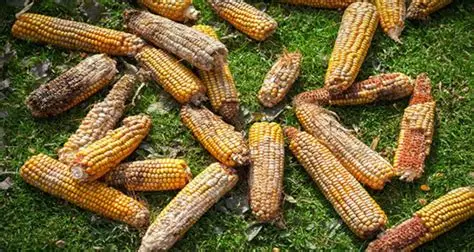
Post-harvest losses remain one of the biggest challenges facing agriculture, especially in developing countries where many farmers depend on small-scale production. A significant portion of food produced is lost after harvest before it reaches consumers, affecting incomes, food security, and overall agricultural growth.
Causes of post-harvest losses
One major cause is poor storage facilities. Many farmers lack access to proper warehouses or cold storage systems, leading to spoilage of perishable crops such as tomatoes, maize, and fruits within a short period after harvest.
Another key factor is inadequate transportation. In many rural areas, bad roads and delayed transport systems cause crops to deteriorate before they reach markets. This is especially serious for fresh produce that requires quick delivery.
Improper handling during harvesting and packaging also contributes to losses. Crops are often harvested using traditional methods that damage produce, while poor packaging materials lead to bruising and contamination.
Additionally, pest and disease infestations during storage can destroy large quantities of food. Rodents, insects, and fungal infections are common threats when proper storage practices are not followed.
In Ghana, post-harvest losses (PHL) are not limited to one place—they occur across all major agricultural regions, but some regions experience higher levels depending on the crop, infrastructure, and storage conditions.
Main regions affected by post-harvest losses in Ghana
1. Northern Region (Northern Ghana)
- Includes Northern, Savannah, North East, Upper East, and Upper West areas
- High losses in maize, yams, millet, and vegetables
- Causes:
- Poor drying methods
- Limited storage facilities
- Pest infestations during storage
2. Volta Region
- Major production area for rice, maize, vegetables, and fruits
- Significant losses in rice and vegetables
- Causes:
- Poor storage and handling
- Lack of technology and knowledge
- Transport and market access challenges
3. Ashanti Region
- Important for cocoa, plantain, vegetables, and maize
- Losses occur due to:
- Transport delays
- Poor road networks in farming areas
- Storage limitations
4. Eastern Region
- Produces fruits (citrus, pineapple), cassava, and vegetables
- Post-harvest losses are common in perishable crops
- Causes:
- Rapid spoilage due to heat
- Lack of cold storage systems
5. Brong Ahafo (Bono Region)
- Major products are maize and yam producing zone
- Losses occur during:
- Harvesting and storage
- Market delays and oversupply periods
6. Central & Greater Accra Regions
- More commercial and market-oriented farming zones
- Losses mainly occur in vegetables and fruits
- Causes:
- Market glut (too much supply at harvest time)
- Poor handling during transport to urban markets
Solutions to reduce post-harvest losses
Improving storage infrastructure is one of the most effective solutions. The introduction of modern silos, cold rooms, and improved granaries can significantly reduce spoilage.

Better transportation systems are also essential.
Investing in good road networks and refrigerated trucks can help ensure that produce reaches markets in good condition.
Training farmers on proper handling techniques is another important step. Education on harvesting methods, sorting, grading, and packaging can reduce physical damage to crops.
The use of technology is also helping to address the problem. Solar dryers, moisture meters, and improved preservation methods are increasingly being adopted by farmers and agribusinesses.
Finally, government support and private sector investment play a crucial role. Policies that encourage agricultural development, along with funding for storage and logistics, can greatly reduce losses.
Way forward
Reducing post-harvest losses is critical for improving food security and increasing farmers’ income. With better infrastructure, education, and technology, a significant portion of food that is currently lost can be saved, benefiting both farmers and consumers.