
Farm-to-market challenges: Why farmers lose profit after harvest
Kojo Emmanuel May 9, 2026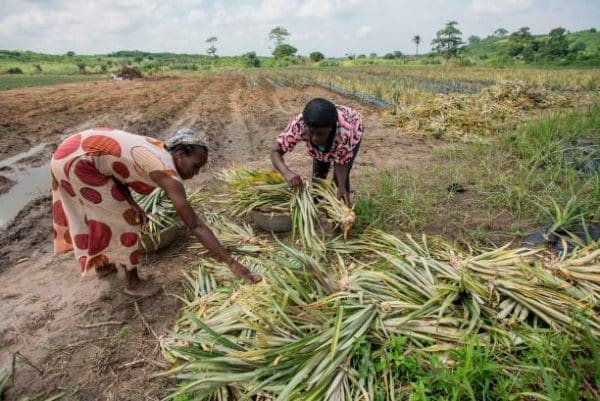
Farming
For many farmers, harvesting crops should mark the beginning of profit and financial reward after months of hard work. However, for thousands of small-scale farmers across Africa and other developing regions, the journey from the farm to the market is filled with challenges that often reduce or completely wipe out expected profits.
Post-harvest losses, poor transportation systems, unstable market prices, and limited storage facilities continue to affect farmers and weaken agricultural growth.
The hidden problem after harvest
While much attention is given to planting and production, the post-harvest stage is often overlooked. Yet this stage is where many farmers suffer the greatest financial losses.
Fruits, vegetables, grains, and other produce are highly vulnerable after harvest. Without proper handling and quick access to markets, crops can spoil, lose quality, or be sold at very low prices.
In some cases, farmers are forced to sell products immediately after harvest because they lack storage facilities or need urgent cash, even when market prices are poor.
Poor road networks and transportation
One of the biggest farm-to-market challenges is transportation. In many rural farming communities, roads are in poor condition, especially during rainy seasons.
Bad roads create several problems:
- Delays in transporting fresh produce
- Increased transportation costs
- Damage to crops during transit
- Reduced product quality before reaching buyers
Perishable goods such as tomatoes, peppers, bananas, and leafy vegetables can easily spoil before arriving at urban markets.
For farmers located far from cities, transport expenses can consume a large portion of their profits.
Lack of storage facilities
Many small-scale farmers do not have access to proper storage systems such as warehouses, silos, or cold rooms.
Without storage:
- Crops spoil quickly
- Farmers rush to sell produce at low prices
- Large quantities of food are wasted
Grains may be attacked by pests or moisture, while vegetables and fruits may rot within days. These losses reduce both farmer income and food availability in local markets.
Price fluctuations and middlemen
Agricultural prices often change depending on the season. During harvest periods, supply increases rapidly, causing prices to fall.
Because many farmers lack direct access to buyers, they depend on middlemen who purchase products at very low prices and resell them for higher profits in urban areas.
This situation leaves farmers with little bargaining power despite their hard work and production costs.
Limited access to market information
Many farmers do not receive accurate or timely information about:
- Current market prices
- Consumer demand
- Best locations to sell products
- Export opportunities
Without this knowledge, farmers may transport produce to markets where prices are already low or demand is weak.
Digital technology and mobile phones are helping improve access to market information, but many rural farmers still face communication challenges.
Post-harvest losses affect food security
When crops are lost after harvest, the impact goes beyond farmers alone. Food waste contributes to:
- Higher food prices
- Reduced food supply
- Lower national agricultural productivity
- Increased poverty in farming communities
Reducing post-harvest losses can help improve food security and strengthen economies.
Possible solutions to farm-to-market challenges
Several measures can help farmers reduce losses and improve profits after harvest.
Improved Storage Systems
Investment in cold rooms, warehouses, and grain silos can help farmers preserve produce for longer periods.
Better roads and transportation
Governments and private investors can support agriculture by improving rural road networks and transportation systems.
Farmer cooperatives
Farmers who work together in cooperatives can negotiate better prices, reduce transport costs, and access larger markets.
Access to technology
Mobile apps and digital platforms can provide farmers with real-time market prices, weather updates, and buyer connections.
Value addition
Instead of selling raw produce, farmers can process crops into products such as dried fruits, tomato paste, flour, or packaged foods to increase profits.
Conclusion
Harvesting crops should not be the end of a farmer’s struggle. Farm-to-market challenges continue to prevent many farmers from earning fair profits despite months of labor and investment.
Improving transportation, storage, market access, and agricultural infrastructure can help farmers reduce losses and increase income. Supporting farmers after harvest is just as important as supporting them during planting and production.
When post-harvest systems improve, farmers benefit, consumers gain access to affordable food, and national economies grow stronger.