
Ghana hit by tomato shortage after Burkina Faso halts exports
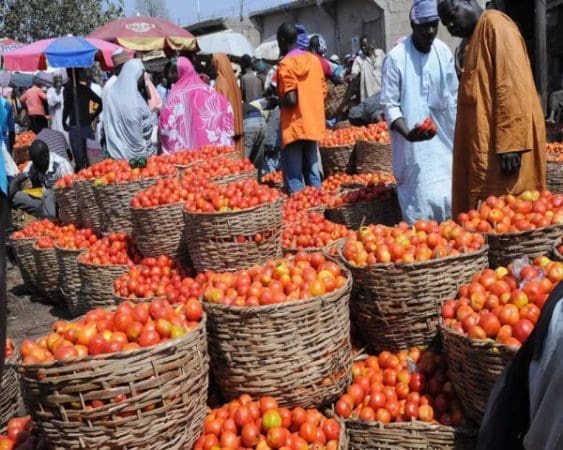
Tomato
Ghana is grappling with a growing tomato shortage following the suspension of exports from neighbouring Burkina Faso, a key supplier of the staple commodity.
The disruption has begun to ripple through local markets, with traders and consumers reporting sharp price increases and reduced availability.
Tomatoes, a central ingredient in many Ghanaian dishes, are now becoming increasingly scarce in major trading hubs, raising concerns about food affordability and supply stability.
Heavy dependence on imports
For years, Ghana has relied significantly on imports from Burkina Faso to meet domestic demand, particularly during off-season periods. The northern neighbour’s consistent supply has helped stabilise prices and fill gaps left by local production challenges, including post-harvest losses and limited irrigation.
With the sudden halt in exports, that supply chain has been disrupted, leaving traders scrambling for alternatives.
Burkina Faso bans imports
Burkina Faso suspended fresh tomato exports until further notice starting March 16. The Ministry of Industry and Commerce and the Ministry of Agriculture jointly announced the decision in an official statement.
Authorities said they introduced the measure to ensure sufficient raw material supply for local processing units.
They stated: “[…] The issuance of Special Export Authorisations (ASE) is suspended. Economic operators holding valid export authorisations for fresh tomatoes have a period of two [02] weeks from the date of signature of this communiqué to complete their export procedures.”
The government has strengthened the domestic tomato processing industry in recent years. President Ibrahim Traoré inaugurated the Faso Tomates Company (SOFATO) planted in Pognongo in December 2024.
Project sponsors invested CFA5.6 billion ($9.8 million) in the facility. The plant processes 5 tonnes of tomatoes per hour and produces derivative products, including tomato paste.
Impact on households and businesses
The shortage is not only affecting households but also food vendors and restaurants that depend heavily on tomatoes for daily operations. Many are now adjusting menus, reducing portion sizes, or increasing prices to cope with the rising cost of ingredients.
Street food vendors, in particular, say their profit margins are shrinking, as they struggle to balance affordability with sustainability.