
Fuel prices surge sharply at pumps hitting cost of living
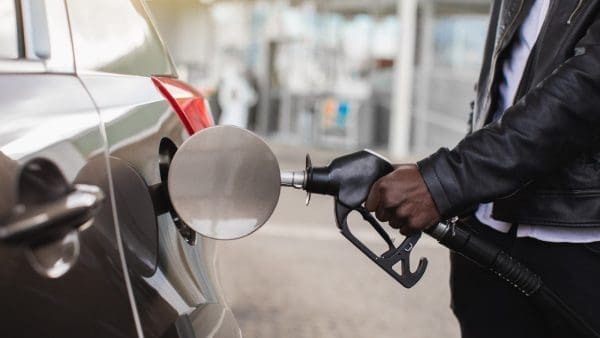
Fuel pump
Rising global crude oil prices triggered by escalating geopolitical tensions in the Middle East are beginning to bite hard at the pumps in Ghana, with consumers facing higher fuel costs that threaten to worsen the already elevated cost of living.
Prices of petroleum products have surged sharply across major filling stations, reflecting a steep increase in crude oil prices on the international market.
Industry data indicates that crude oil has jumped by about 60 per cent since the onset of attacks involving the United States, Israel and Iran, rising from around $67 per barrel to nearly $100.
Energy analysts warn that if the conflict persists, global oil prices could climb even higher, further tightening pressure on domestic fuel prices and deepening economic strain on households and businesses.
At the local pumps, the impact is already evident.
State-owned GOIL is currently selling petrol at GH₵12.40 per litre, with diesel going for GH₵15.69.
Market leader Star Oil has priced petrol slightly higher at GH₵12.49, while diesel is retailing at GH₵15.99 per litre.
Among the higher-priced outlets, TotalEnergies is selling petrol at GH₵13.29 and diesel at GH₵16.29 per litre.
Similarly, Shell-branded fuel distributed by Vivo Energy Ghana is going for the same price levels—GH₵13.29 for petrol and GH₵16.29 for diesel.
These prices are well above the benchmark set by the National Petroleum Authority, whose indicative floor prices currently stand at GH₵11.57 for petrol and GH₵14.35 for diesel.
The surge in fuel prices is expected to have a direct and immediate impact on the cost of living.
Transport operators are already signalling possible fare increases, a development that could ripple across the economy as higher transportation costs push up the prices of goods and services.
For many households, particularly in urban centres such as Accra and Kumasi, rising fuel prices translate into increased daily expenses—from commuting to work to the cost of food items transported from rural farming communities.
Commercial drivers, who are among the hardest hit, say the rising cost of diesel is eroding their profit margins and forcing them to reconsider fare structures.
They have threatened to adjust fares of prices at the pumps again at the end of the month.
Beyond transportation, businesses that rely heavily on fuel for operations—including manufacturing firms, logistics companies and small-scale enterprises—could pass on increased costs to consumers.
This could fuel inflationary pressures at a time when inflation is significantly low at 3.3%.
Experts caution that the situation could worsen if global oil supply disruptions intensify.
The Middle East remains a critical hub for global energy supply, and any prolonged conflict involving major oil-producing nations could trigger further volatility in prices.
The development also presents a policy challenge for authorities, particularly in balancing the need to allow market-driven pricing with the imperative to shield consumers from excessive price shocks.