Farmers who change from cocoa to other crops risk jail
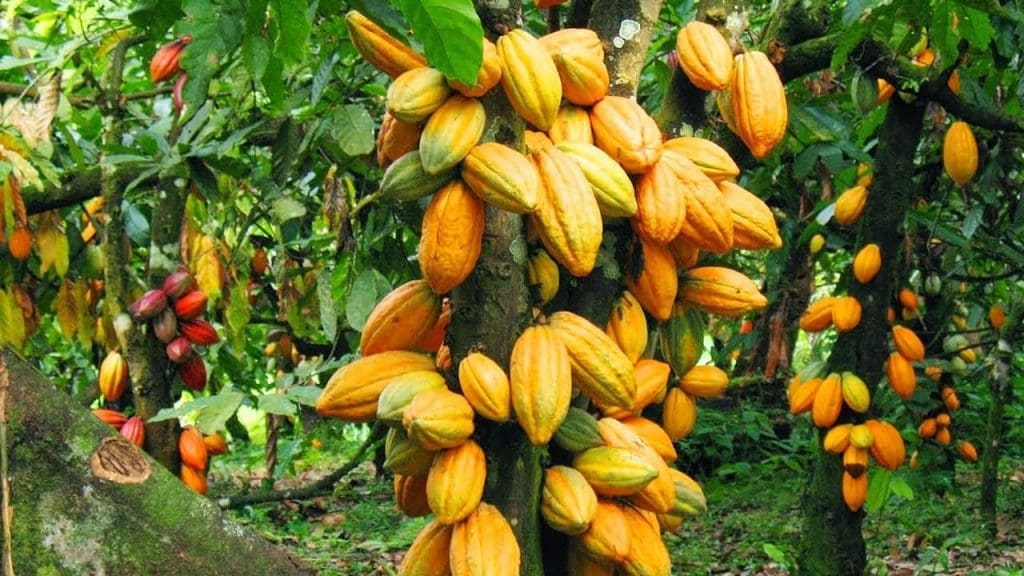
Cocoa
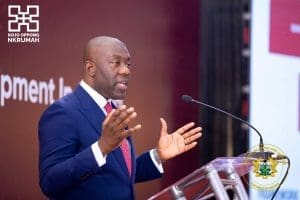
The Member of Parliament for Akim Swedru, Kennedy Osei Nyarko, has criticised provisions in the newly passed Ghana Cocoa Board (COCOBOD) Bill, 2026, arguing that the legislation undermines the rights of cocoa farmers and landowners.
The MP raised concerns over a clause in the law which he claims restricts cocoa farmers from using their farmlands for purposes other than cocoa cultivation or rehabilitation.
According to him, the provision effectively removes the freedom of cocoa farmers to determine the future use of their own lands, regardless of whether the property is privately owned, family land or stool land.
In a Facebook post, Mr Osei Nyarko said farmers who decide to convert their cocoa farms for other purposes could face prosecution under the new law.
“If you are a cocoa farmer or anyone who owns a cocoa farm, you should note that per the new COCOBOD Act passed by Parliament about a week ago, you are prohibited from using your farmland for any other purposes except the growing of cocoa or for rehabilitation purposes,” he stated.
He added that the law applied irrespective of the ownership status of the land.
“Per the new Act, it doesn’t matter whether you own the land permanently or it belongs to a family or a stool, you will be prosecuted if you decide to cut down your cocoa farm or plantation for any other purposes,” he said.
Land ownership rights questioned
Mr Osei Nyarko argued that the restriction represents an infringement on the rights of landowners, insisting that cocoa farmers should have the authority to decide how best to use their properties.
“A cocoa farmer or an owner of a cocoa farmland must have the right to decide on what to use the land for at any given time,” he said.
He questioned the rationale behind preventing farmers from making alternative decisions on their lands, particularly where changing economic circumstances may require different uses of farmland.
COCOBOD reforms
The MP’s comments come days after Parliament passed the Ghana Cocoa Board Bill, 2026, on Thursday, July 30, as part of broader reforms to strengthen governance and sustainability within the cocoa sector.
The legislation establishes the Ghana Cocoa Board as the statutory institution responsible for regulating, supervising and monitoring activities across the cocoa value chain.
The new law also introduces reforms aimed at creating a sustainable funding framework for the cocoa industry and improving the management of Ghana’s cocoa resources.
Government has described the legislation as a major step towards securing the long-term future of the cocoa sector, enhancing efficiency and protecting the industry from emerging challenges.
Concerns over implementation
However, Mr Osei Nyarko believes aspects of the legislation require further scrutiny, particularly provisions relating to land use.
He contends that while protecting cocoa farms and ensuring sustainable production are important, such measures should not come at the expense of the property rights of farmers and landowners.
The lawmaker’s comments are expected to fuel further debate over the balance between safeguarding Ghana’s cocoa industry and protecting the rights of individuals who own and cultivate cocoa lands.