
Cedi gains and better ECG collections ease energy burden — IMF
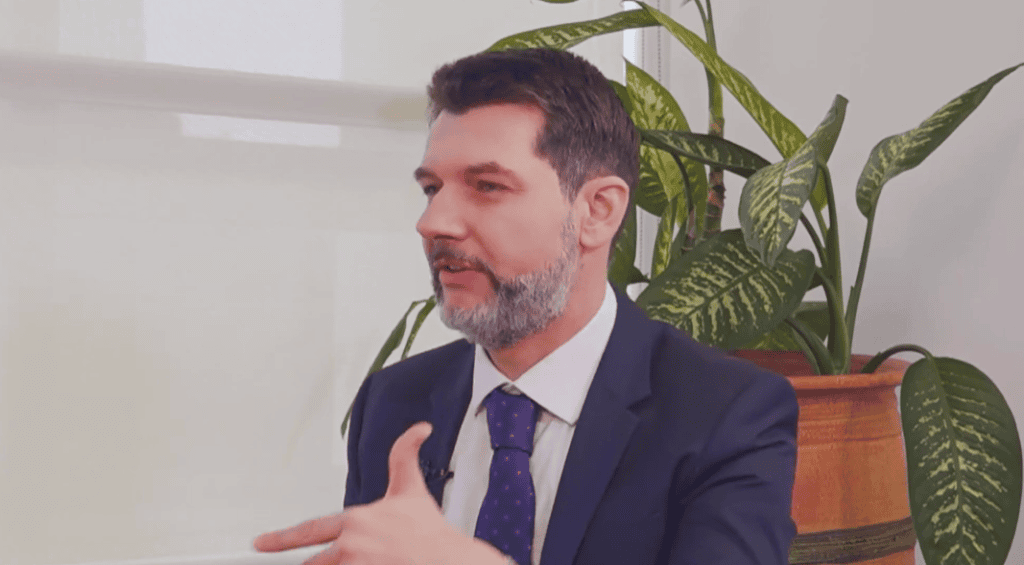
Dr Adrian Alter
The appreciation of the Ghana cedi, improved collections by the Electricity Company of Ghana (ECG), and better application of the cash waterfall mechanism have helped ease pressure on the government’s finances from the energy sector. The IMF has said this directly.
Dr Adrian Alter, the IMF Resident Representative in Ghana, also cited the government’s efforts to improve the country’s energy mix. He mentioned the government’s actions to cut the cost of power generation as key factors behind the improved fiscal performance.
In an interview with Bernard Avle on Channel One TV on Monday, August 24, 2026, Dr Alter said the energy sector was particularly sensitive to exchange-rate movements. This was because many of its obligations are settled in US dollars.
He explained that fuel imports and payments to independent power producers (IPPs) are largely dollar-denominated. As a result, the cedi’s appreciation has reduced the amount of local currency required to meet those obligations.
“The government in the 2025 budget had in mind a certain exchange rate, and most of the expenses on the energy side are in dollars. Imports of fuel, so fuel suppliers are paid in dollars, all the IPPs are paid in dollars,” he said.
“When you translate that into cedis, if the currency appreciates, then there is an improvement,” he added.
Dr Alter said the exchange-rate gains should, however, be viewed alongside other improvements in the sector.
“There has been slightly better revenue collection at the ECG. There has been a better implementation of the cash waterfall mechanism,” he said.
He added that the government had also taken steps to use a more cost-effective energy mix. In particular, the government is increasing the use of locally produced natural gas.
“The government has been more careful about the energy mix and trying to reduce the costs of producing electricity. Using domestically produced gas is much better than importing liquid fuel from abroad,” he said.
According to Dr Alter, the combined measures are helping improve the financial position of the energy sector. As a result, they are limiting the burden it places on government.
He stressed that maintaining these improvements would be crucial to reducing the sector’s long-standing fiscal risks.
“All these measures are essential to the sector’s profitability and eventually reducing the fiscal risks to the government,” he said.