Catholic Bishops call for independent review of SHS placement
The Ghana Catholic Bishops’ Conference (GCBC) has called for an independent review of the Senior High School (SHS) placement system.
It cited concerns over alleged unfairness, bribery, “protocol” admissions and the placement of students in schools unsuitable for their circumstances.
A statement issued and signed by Most Reverend Matthew Kwasi Gyamfi, President of the GCBC said the Conference had also directed the National Catholic Secretariat’s Education Office to implement a decision reserving 20 per cent of admissions in Catholic mission schools for Catholic students.
It said the 20 per cent reservation was not a new proposal but the implementation of a decision taken at the National Catholic Education Forum in Koforidua in 2025.
The Conference said the measure was intended to ensure that Catholic mission schools retained a meaningful number of Catholic students who could participate in the religious and moral formation that formed part of the schools’ mission.
“This reservation is not a private privilege or patronage,” the Conference said, stressing that the arrangement must be administered transparently through the appropriate Boards of Governors and diocesan education offices,” it said.
The Bishops said the process should be subject to annual audits and strictly prohibit the exchange of money.
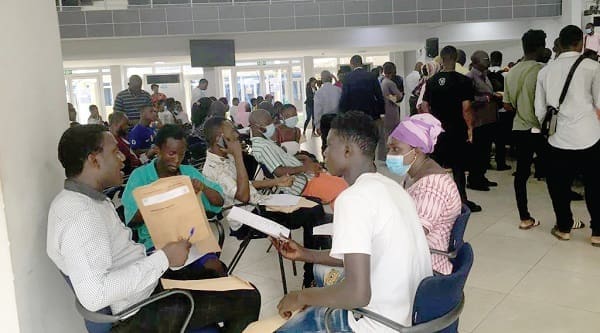
They said they had followed with “deep concern” difficulties surrounding the ongoing SHS placement exercise, which continued to generate anxiety and allegations of unfairness among students, parents and the public.
The statement said 604,567 candidates qualified for placement this year, while 527,932 had been placed when the results were released.
The Conference acknowledged efforts to improve the Computerised School Selection and Placement System (CSSPS), but said the process required verifiable and accountable procedures capable of correcting genuine errors promptly.
It raised concerns over complaints of students being placed in schools considered unsuitable because of their sex, disability, personal circumstances or location.
“No student should be sent to a day school so far from home that daily attendance becomes unreasonable, costly, or unsafe,” the Conference said, adding that schools receiving students with disabilities should have the facilities required to meet their needs.
The Bishops also called for accessible channels to facilitate the prompt correction of genuine placement errors.
They expressed concern over allegations that some parents were being asked to pay money to secure places for their children.
“If placement is meant to be free, no official, agent, or intermediary should request or accept payment for it,” the statement said.
The Conference also demanded clarity on “protocol” admissions, saying where places in highly sought-after schools were reserved through discretionary arrangements, the public should be informed of the legal basis, number of places involved, criteria used and officials responsible.
“No placement system can inspire confidence if parents believe that money, connections, or influence can secure places unavailable to more deserving but less privileged children,” the statement said.
The Bishops proposed that independent technical experts examine the placement system, with the main findings published for public scrutiny.
They said technology could help promote justice in education but could not replace human responsibility in determining whether a placement outcome was educationally sound and morally right.