
Afenyo-Markin calls for repeal of free speech suppression laws
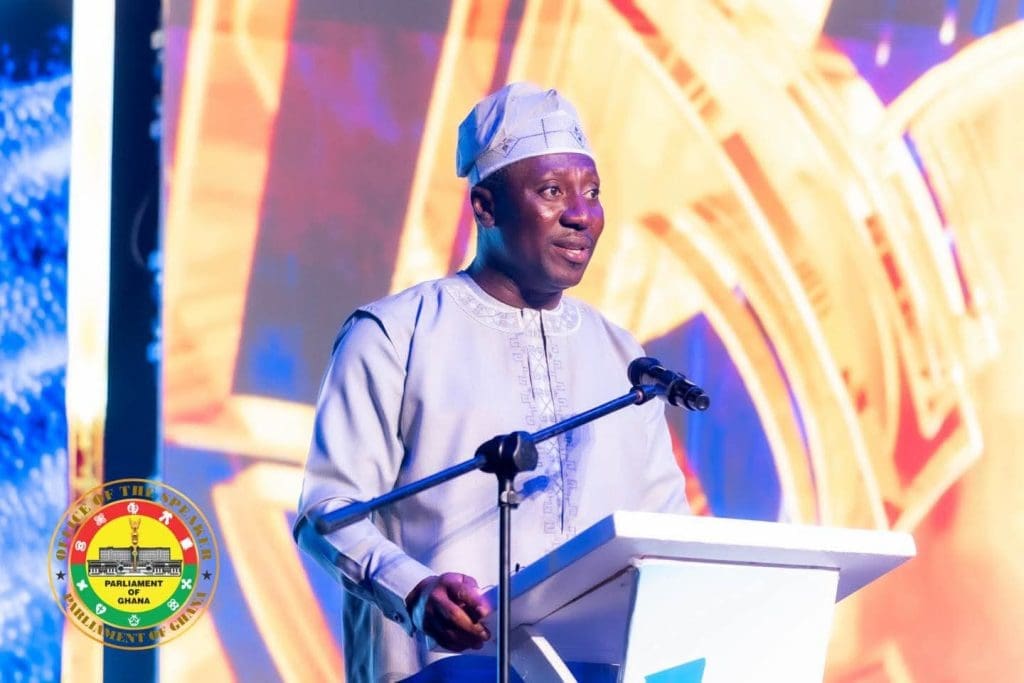
Alexander Afenyo-Markin
Minority Leader Alexander Afenyo-Markin has warned against what he describes as a growing threat to freedom of expression in Ghana, calling for the repeal of laws he believes are increasingly being used to criminalise speech and suppress dissent.
He has particularly criticised the use of Section 208 of the Criminal Offences Act, which deals with the publication of false news likely to cause fear and panic, and Section 76 of the Electronic Communications Act, 2008, arguing that their application undermines constitutionally guaranteed freedoms of speech and the press.
Speaking at the 30th Ghana Journalists Association (GJA) Media Awards, held under the theme, “Celebrating Excellence, Advancing Media Freedom and Combating Hate Speech in the Digital Age,” Mr Afenyo-Markin cautioned that Ghana must not return to an era when citizens and journalists were afraid to express their views.
He said democracy should not be measured merely by the number of media organisations and social media platforms but by whether citizens could speak freely, journalists could investigate without intimidation and public officials could be held accountable without resorting to criminal prosecution.
“Silence protects the comfortable and abandons the vulnerable,” he said, warning that the suppression of legitimate opposition could breed resentment and undermine democratic governance.
Drawing on the writings of former Prime Minister Dr Kofi Abrefa Busia, Mr Afenyo-Markin recalled his warning that Ghana’s development must be anchored in freedom of speech, association and movement, as well as an independent judiciary.

He also cited former President John Agyekum Kufuor’s decision to repeal the criminal libel and seditious laws in 2001, describing it as a significant democratic achievement that must not be reversed.
He recalled Mr Kufuor’s position that the repeal had liberated Ghana’s media landscape and given greater meaning to democratic governance, transparency and accountability.
Mr Afenyo-Markin further referenced former President Nana Addo Dankwa Akufo-Addo’s 2019 remarks that he would rather have “a reckless press than a supine one,” arguing that press freedom remains fundamental to Ghana’s democratic development.
However, he expressed concern about what he described as the increasing use of Section 208 of the Criminal Offences Act to prosecute journalists and citizens over statements and publications.
He cited concerns raised by the Media Foundation for West Africa about what it has described as the creeping criminalisation of speech, including arrests and prosecutions under Section 208 and related legal provisions.
According to him, criminal prosecution should not be used against political commentary, satire, public criticism, journalism or honest mistakes.
The Minority Leader stressed that his position did not amount to an endorsement of irresponsible journalism, falsehood, hate speech or incitement.
He argued that defamation and false publications could be addressed through civil remedies, including retractions, apologies and compensation, rather than imprisonment.
He also called for an end to Strategic Lawsuits Against Public Participation (SLAPPs), warning against the use of expensive and burdensome legal actions by wealthy and powerful individuals to intimidate journalists, exhaust media organisations and silence public criticism.
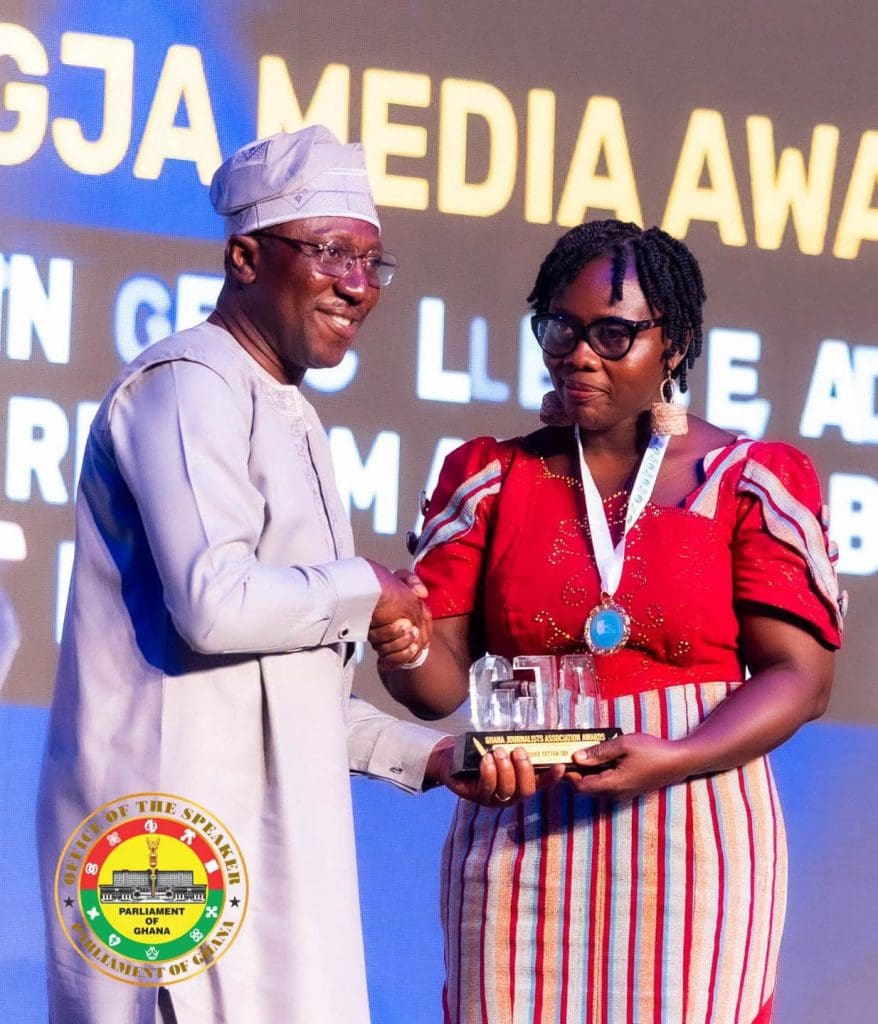
Addressing journalists at the ceremony, Mr Afenyo-Markin described them as guardians of Ghana’s democracy, saying they served as the eyes and voices of citizens when those in authority failed to act transparently.
He maintained that governments must demonstrate their commitment to press freedom through their actions, particularly in their handling of cases involving journalists and their willingness to tolerate criticism.
In a notable appeal, he called on President John Dramani Mahama to consider granting a presidential pardon to Camilla Alhassan, whom he said was serving a jail term over her social media activities.
He urged the government not to allow the prosecution of speech to become normalised, insisting that freedom of expression must be protected regardless of political affiliation or social standing.
“The Minority will continue to defend the right of every Ghanaian to speak, question, criticise, publish and disagree,” he declared.
He concluded by urging Ghanaians to embrace responsible expression without repression, truth without tyranny, and accountability without intimidation.
“Let us choose a Ghana where no citizen is afraid to speak,” he said.


