When money consumes the human conscience
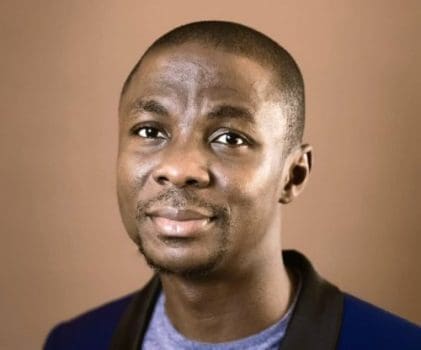
Henry Atta Nyame
In basic school, there was a poem I remember very well because it taught deep lessons about human life and values.
The poem focuses on money and how it affects relationships and conscience.
It is titled “Money, O” by William Henry Davies (1871–1940).
The poet explains how having money attracted many false friends, while losing it revealed who his true friends were.
Even today, the message of this poem feels painfully real.
Money seems to have consumed the conscience of many people. Sadly, even children.
There have been disturbing reports of children using their peers and parents for money rituals.
Some have admitted that they aimed to buy expensive cars and live flashy lives.
This shows how early the unhealthy desire for money can corrupt moral judgment.
This problem is not limited to one group or place.
It cuts across society; in courts, schools, roads, hospitals, markets, businesses, politics, and homes.
In courts, some judges and lawyers accepted bribes and twisted justice.
As a result, innocent people suffer in prison while the guilty walk free.
In schools, some educators accept money to support examination malpractice.
Learners who do not qualify are promoted, while hardworking and honest learners are ignored.
On the roads, some police officers accept bribes and allow unqualified drivers to operate vehicles, putting innocent lives at risk.
In hospitals, patients are sometimes forced to pay “tips” to receive quicker attention.
Those who cannot afford to pay may wait for hours, even in critical situations. How cruel!
In markets, some traders inflate prices or allow goods to spoil rather than reduce prices.
Some landlords also prefer to leave houses empty instead of reducing rent.
When it feels justifying…
When people begin to justify such actions, danger looms.
In businesses, this behaviour is common.
Some employers inflate the cost of services and blame economic hardship.
They argue that without cutting corners, the business will collapse.
Some employees also steal from company funds and justify it with the Akan saying “obiara didi wo n’adwuma ho”—meaning everyone should benefit from their occupation even when the act is clearly wrong.
Sadly, this mindset has become normal.
A director once told me that in Ghana, if you do not exploit customers, your business may fail.
This raises serious questions about our values.
Many people also believe that having more money even if acquired illegally makes them wiser, stronger, more respected, and more attractive.
In the quest to belong to a “higher class,” conscience is often silenced.
In homes and relationships, money has also caused damage. Some women practise “chobo”, secretly keeping part of the housekeeping money given by their partners.
Some boyfriends and girlfriends have duped their partners financially and excused it by saying, “But he is my boyfriend” or “She is my girlfriend.” This is cruel and irresponsible.
Greed and indiscipline have also pushed many people into Ponzi schemes.
They justify their actions by calling it “investment,” only to lose everything.
In politics, money is often used to buy loyalty instead of winning people with good ideas and sound policies.
Even marriages suffer.
Some partners hide their finances, destroy trust, and break families.
Others stay in relationships they do not truly value, simply because of money.
Many people have lost dignity, wealth, relationships, and even their lives because money took control of their conscience. Families have broken apart, friendships have ended, and once-powerful nations have collapsed. This is deeply disappointing.
So, what is the real issue?
In Ghana today, hard work and honesty do not always seem to pay. Money can open doors, create connections, and influence decisions, sometimes without effort.
As a result, some people are willing to sacrifice dignity and reputation for wealth.
A few years ago, a man confessed that he helped university graduates travel abroad for prostitution and shared the proceeds with them.
Shockingly, many graduates accepted the offer. He later claimed to have repented.
In another case reported by MyJoyOnline (2014), a man named Kumi, with foreign sponsors, recruited young Ghanaian women and sent them to Kuwait, where they were arrested and forced into prostitution.
He collected what he called “processing fees” from unsuspecting victims.
Money is necessary for survival, but its influence on society raises serious moral concerns.
The late Charles Kwadwo Fosu (Daddy Lumba) captured this reality in his music when he sang about how money has made life harder for the poor and damaged relationships between parents and children.
Money is a powerful tool. When not controlled, it controls human behaviour.
A respected Ghanaian marriage and relationship counsellor, Opanyin Kwadwo Kyere, has often advised that people must learn to control money and not allow it to consume their conscience.
The Bible also recognises the usefulness of money but warns against excessive love for it.
Judas betrayed Jesus because of money.
In a world filled with pressure to appear successful, jealousy, and unhealthy competition, wise handling of money must be part of our values.
Remember: a good name is better than riches.
By Henry Atta Nyame
Institutional Assessment Practitioner
hattanyame@gmail.com