
44 Ghanaians rescued from QNET scheme in Nigeria return home
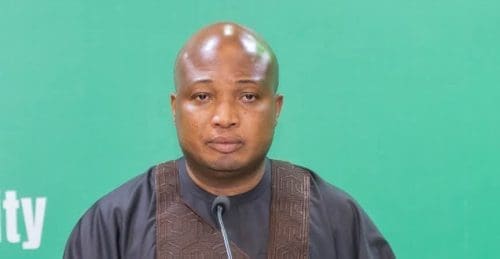
Samuel Okudzeto Ablakwa, Foreign Affairs Minister
Forty-four Ghanaians, trapped in a QNET-linked scheme in Nigeria, have been repatriated by the Ministry of Foreign Affairs. The group—27 men and 17 women—arrived in Ghana on March 20, 2026, after being rescued from suspected human trafficking camps in Akwa Ibom.
Most left Ghana in December last year, lured by promises of better jobs, only to be intercepted by Nigerian police before they could reach their supposed destinations.
Surviving the nightmare
One victim, who spent just a month in Nigeria, described the arrest: “The police officers were dressed in black and were wearing masks as though it was a kidnapping. Some of us were beaten in an attempt to resist, fearing that we were being kidnapped. I was traumatised.”
Another reported being held in a private facility for four days before being sent home.
Victims recounted paying large sums to secure jobs abroad—GH¢16,000 in one case, GH¢10,000 in another—but found themselves instead selling health products on commission in Nigeria. One woman explained:
“I left Ghana in December last year, and I was told I’ll be sent to South Africa to work. However, arriving in Nigeria, I was given some health products to sell on a commission basis. Although I sold some, I couldn’t meet the mark to get any commission.”
Despite being fed twice daily, conditions were harsh, and victims expressed regret over lost money. Many urged the government to create more local opportunities for youth.
Government response
John Kwasi Boakye, Director of Consular Affairs, warned Ghanaians against fraudulent recruitment schemes and encouraged returnees to share their experiences:
“We also wish that our citizens would take this opportunity to be ambassadors for the fight against human trafficking and the activities of QNET. A lot is going on in our country. We can’t have these people recruiting Ghanaians and putting them under dehumanising conditions in other countries. No one should be a victim of this QNET scam in our country again.”
Boakye praised the Nigerian authorities for their cooperation and urged citizens to verify overseas job offers before committing financially.