
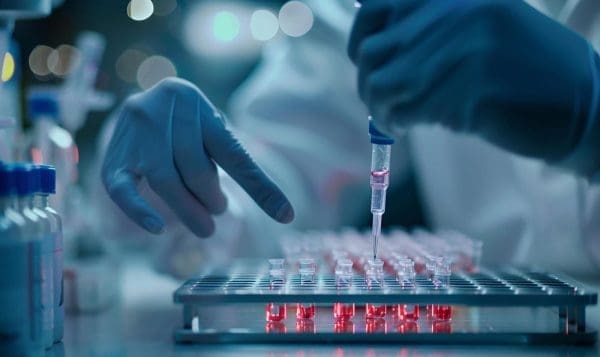
In an era where science continues to transform lives, DNA testing has become one of the most reliable tools for uncovering the truth. From establishing biological relationships to solving criminal cases and diagnosing inherited diseases, DNA testing is playing a vital role in modern society. As family structures become more complex and medical advancements continue to evolve, the importance of DNA testing has never been greater.
Understanding DNA testing
DNA (Deoxyribonucleic Acid) is the unique genetic code found in almost every cell of the human body. Except for identical twins, no two people have the exact same DNA. A DNA test analyses genetic material to determine biological relationships, identify inherited traits, and detect genetic disorders.
Today, DNA testing is widely available and has become more affordable, making it accessible to many people for both medical and personal reasons.
Establishing biological relationships
One of the most common reasons people seek DNA testing is to confirm paternity or maternity. While trust remains the foundation of relationships, uncertainties sometimes arise due to misunderstandings, family disputes, or legal matters.
A DNA test provides scientific proof that removes speculation and helps individuals make informed decisions. It is particularly important in cases involving child support, inheritance claims, immigration applications, and custody disputes.
Improving healthcare
DNA testing has revolutionised modern medicine by enabling doctors to identify genetic conditions before symptoms appear. Early detection allows healthcare professionals to recommend preventive measures, lifestyle changes, or treatments that can reduce the risk of serious illnesses.
Some DNA tests can identify inherited risks for diseases such as certain cancers, sickle cell disease, diabetes, and heart conditions. This information helps families prepare and seek appropriate medical care.
Preventing hereditary diseases
Couples planning to start a family can benefit from genetic screening. DNA testing can reveal whether both partners carry genes for inherited disorders, allowing them to understand potential risks to their future children.
Although carrying a gene does not guarantee that a child will develop a condition, the information can help families make informed reproductive and healthcare decisions in consultation with qualified medical professionals.
Supporting criminal investigations
DNA evidence has become one of the most powerful tools in forensic science. Law enforcement agencies use DNA to identify suspects, exonerate innocent individuals, and identify victims of crimes or disasters.
Unlike eyewitness accounts, which can sometimes be unreliable, DNA evidence provides highly accurate scientific data that strengthens the justice system.
Tracing family history
Many people are increasingly interested in learning about their ancestry. DNA testing can provide insights into a person’s ethnic background and connect individuals with distant relatives across different parts of the world.
For people who have been adopted or separated from biological family members, DNA testing has helped reunite countless families.
Reducing family conflicts
Disputes over parentage, inheritance, or family identity can create lasting emotional pain. Rather than relying on rumours or assumptions, DNA testing offers objective evidence that can help resolve disagreements fairly and conclusively.
While the results may sometimes be emotionally difficult, knowing the truth often provides a foundation for informed decisions and long-term resolution.
Using DNA testing responsibly
Despite its many benefits, DNA testing should be approached responsibly. Privacy, informed consent, and the emotional impact of results should always be considered. Individuals should use accredited laboratories and seek appropriate medical or genetic counselling when tests relate to health or complex family matters.
Conclusion
DNA testing has become an indispensable tool in today’s generation. Whether it is confirming biological relationships, improving healthcare, preventing inherited diseases, solving crimes, or tracing family origins, DNA provides answers that few other methods can.
As science continues to advance, DNA testing will remain a cornerstone of medicine, justice, and family life. Used responsibly and ethically, it empowers people with accurate information, helping them make better decisions for themselves and future generations.