
The rise of Agritech: How technology is transforming farming
Kojo Emmanuel July 28, 2026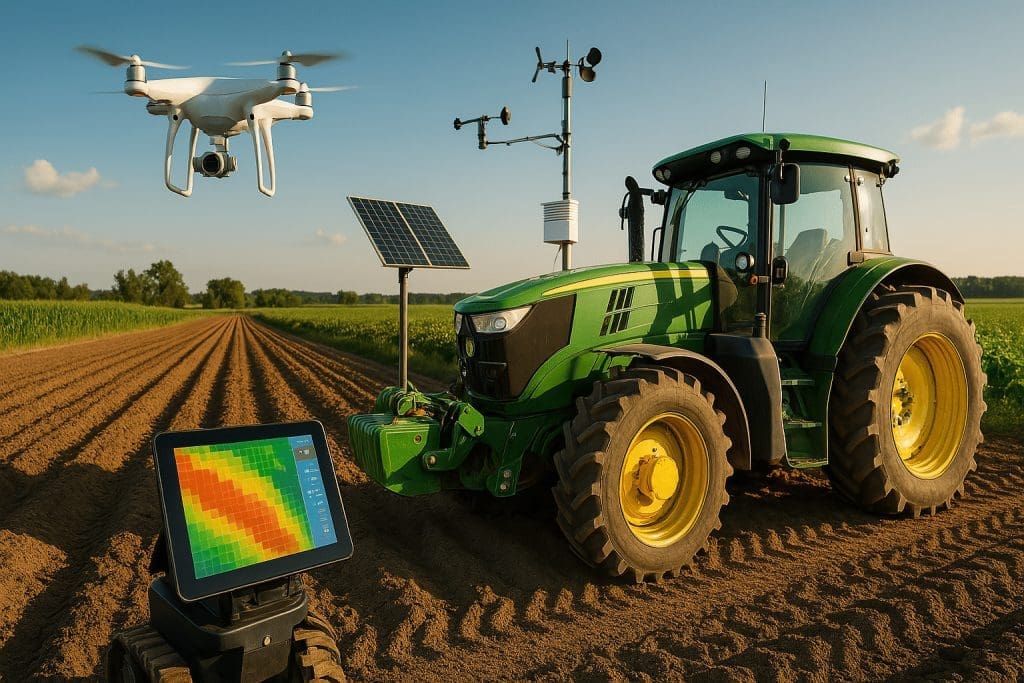
Agritech
From digital platforms to smart farming tools, technology is reshaping agriculture and helping farmers improve productivity, reduce losses, and access better markets.
Agriculture has long depended on traditional knowledge, experience, and hard work. However, as farmers face growing challenges such as climate change, rising production costs, labour shortages, and increasing food demand, technology is emerging as a powerful tool to transform the sector.
The rise of agricultural technology, commonly known as agritech, is changing the way farmers plant, manage, harvest, and sell their produce. Across Ghana and other parts of the world, farmers are increasingly adopting digital solutions that make farming more efficient, profitable, and sustainable.
Technology bringing change to the farm
One of the biggest impacts of agritech is the use of data to support better decision-making. Farmers can now access information about weather patterns, soil conditions, market prices, and pest outbreaks through mobile applications and digital platforms.
In the past, many farmers relied mainly on experience and traditional forecasting methods to determine when to plant or harvest. Today, technology allows them to receive real-time information that can help reduce risks and improve yields.
For example, weather forecasting tools help farmers prepare for changing rainfall patterns, while soil monitoring technologies provide information about nutrients and moisture levels. These innovations enable farmers to apply water, fertiliser, and other inputs more effectively.
The growth of smart farming
Smart farming is another area where technology is making a significant impact. Farmers are increasingly using equipment such as drones, sensors, and automated irrigation systems to monitor crops and manage farms.
Drones can capture images of farmland from above, helping farmers identify areas affected by pests, diseases, or poor growth. Sensors placed in fields can measure soil moisture and temperature, allowing farmers to provide crops with the right conditions at the right time.
These technologies are particularly important as farmers seek ways to produce more food while using fewer resources. Efficient use of water, fertiliser, and energy can lower costs and protect the environment.
Digital platforms connecting farmers to markets
One of the major challenges facing small-scale farmers has always been access to reliable markets. Many farmers struggle to find buyers, negotiate fair prices, or transport their produce after harvest.
Agritech platforms are helping to solve these problems by connecting farmers directly with buyers. Through mobile applications and online marketplaces, farmers can access market information, sell their products, and receive payments digitally.
This reduces dependence on middlemen and gives farmers more control over their businesses. It also creates opportunities for farmers to reach customers beyond their local communities.
Improving access to finance and farming services
Technology is also changing how farmers access financial services. Digital finance platforms are making it easier for farmers to receive payments, save money, and access loans designed for agricultural activities.
Many smallholder farmers have traditionally struggled to secure credit because they lack formal records or collateral. Digital platforms that track farming activities and transactions can help financial institutions better understand farmers’ needs and provide suitable support.
Agritech companies are also offering digital training, expert advice, and information services to help farmers improve their skills and adopt better farming practices.
Challenges facing Agritech adoption
Despite its many benefits, the adoption of agricultural technology still faces challenges. Many small-scale farmers lack access to smartphones, reliable internet connectivity, and affordable digital services.
The cost of advanced equipment can also be a barrier, especially for farmers operating on a small scale. In some communities, limited digital literacy makes it difficult for farmers to fully benefit from available technologies.
Experts believe that increased investment in rural infrastructure, farmer education, and affordable technology solutions will be necessary to ensure that more farmers can participate in the digital agricultural revolution.
The future of farming
A combination of traditional farming knowledge and modern technology will likely shape the future of agriculture. While technology cannot replace the experience of farmers, it can provide tools that make their work easier and more productive.
Artificial intelligence, robotics, satellite monitoring, and digital marketplaces are expected to play an even greater role in agriculture in the coming years. These innovations could help address food security challenges and support a new generation of farmers.
As the world’s population continues to grow, the need for efficient and sustainable food production has never been greater. Agritech offers an opportunity to build a smarter agricultural sector where farmers can produce more, waste less, and earn better incomes.
The transformation of farming has already begun, and technology is becoming one of the most important forces driving agriculture into the future.