
Social media blamed for student indiscipline in SHS — Study
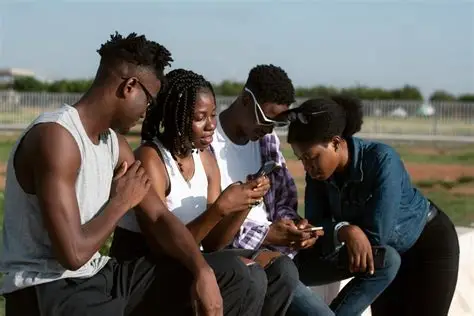
Social media, digital devices and weak enforcement of school rules have been identified as major factors contributing to rising indiscipline among students in Ghanaian senior high schools.
The findings formed part of a study presented at the 12th Annual Public Lecture of the Baraka Policy Institute (BPI) in Accra, where education stakeholders called for stronger measures to address disciplinary challenges in schools.
The lecture, held under the theme, “Tackling the Rising Indiscipline in SHSs in Ghana: The Role of Effective Character Formation,” brought together school heads, teachers, religious leaders, representatives of the Ghana Education Service (GES) and students.
The stakeholders examined the causes of student misconduct and possible approaches to restoring discipline and character formation in Ghana’s senior high schools.
Social media and digital devices
The study, presented by Professor John Azumah, a theologian and professor of Christian-Muslim Relations, identified the use of smartphones and unauthorised digital devices as a major source of indiscipline among students.
Prof. Azumah, who is also Executive Director of the Sanneh Institute, said the changing nature of student misconduct required schools and policymakers to adopt new approaches rather than relying solely on punishment.
The study covered about 240 schools across Ghana and involved students and teachers, recording a response rate of 95.6 per cent.
According to the findings, social media and digital devices have created new challenges for school authorities, particularly where students use them without adequate supervision.
The concern is not limited to Ghana. Research published in 2026 on indiscipline in Ghanaian senior high schools also identified digital indiscipline, including cyberbullying, unauthorised phone use during lessons and access to non-educational content, as emerging challenges affecting students.
The research noted that platforms such as TikTok, Instagram, Snapchat, X, Facebook and WhatsApp can interfere with students’ concentration and engagement with academic activities when used irresponsibly.
Stealing tops disciplinary problems
The BPI study found stealing to be the leading disciplinary problem among students.
It was followed by absenteeism, disrespect for authority, fighting and violence, bullying, sexual misconduct and substance abuse.
The findings highlight the fact that student indiscipline extends beyond the misuse of technology and encompasses a broad range of behavioural and social challenges.
The study also found that indiscipline was higher in non-mission schools compared with mission schools.
However, stakeholders at the forum stressed that the causes of indiscipline are complex and cannot be attributed to one factor alone.
Peer influence, family circumstances, inadequate supervision, school environments and inconsistent enforcement of rules can all contribute to student misconduct.
A separate 2026 academic study on Ghanaian senior high schools similarly found that peer pressure and family background were among the major drivers of indiscipline. It identified poor parental supervision, weak teacher-student relationships and inadequate counselling as additional concerns.
Call for national policy on digital devices
Prof. Azumah called for the establishment of a national policy governing the use of social media and digital devices in schools.
He argued that such a policy should go beyond simply banning phones or punishing students who violate school rules.
Instead, students should be taught how to use technology responsibly and understand the consequences of inappropriate online behaviour.
This approach, he suggested, would allow schools to respond to the realities of the digital age while still protecting teaching and learning.
The call comes amid growing concerns about students’ access to smartphones and online content.
In August 2026, Deputy Education Minister Dr Clement Apaak also identified social media, misuse of mobile phones, narcotics and other unapproved substances as factors contributing to student indiscipline. He said unrestricted exposure to inappropriate online content and peer pressure could influence young people’s behaviour.
Weak enforcement of school rules
The study also pointed to weak enforcement of school rules as another major factor contributing to indiscipline.
Prof. Azumah urged school authorities to ensure that disciplinary measures were applied effectively and consistently.
He said inconsistency in enforcing rules could undermine the authority of school administrators and make it difficult to maintain discipline.
He further called for greater attention to the work of school chaplains and religious educators, including refresher training to strengthen their counselling and character-formation roles.
The call for stronger counselling is significant because several education stakeholders have argued that punishment alone may not address the underlying reasons for student misconduct.
A 2026 study published in the Open Journal of Social Sciences found that frequently relying on corporal punishment had only a weak relationship with preventing repeated offences. It recommended a more collaborative and restorative approach involving students, teachers, parents and school administrators.
Pressure from growing student numbers
The expansion of access to secondary education has also placed pressure on some schools.
Prof. Azumah noted that the growth in student numbers under the Free Senior High School (Free SHS) programme had increased pressure on infrastructure and supervision in some schools.
Large student populations can make it more difficult for teachers and school administrators to monitor behaviour effectively.
This can become particularly challenging in boarding schools, where students spend significant amounts of time away from their parents and under the supervision of school authorities.
The combination of overcrowding, limited counselling resources and inadequate supervision can therefore create conditions in which misconduct becomes more difficult to detect and address.
GES calls for stronger school boards
The Deputy Director-General of the Ghana Education Service in charge of Quality and Access, Dr Issahaque Munawaru, called for school governing boards to be adequately trained to take greater responsibility for disciplinary matters in senior high schools.
He argued that governing boards should have the capacity and authority to deal with serious disciplinary cases.
Dr Munawaru said the disciplinary system already provides various sanctions for misconduct, ranging from lower-level punishments and suspension to indefinite suspension, withdrawal and dismissal.
He suggested that school boards should be empowered to deal with serious cases without always having to seek approval from the GES Director-General.
He also called for fairness in the application of religious practices in mission schools.
According to him, Ghana is a secular state, and students should be treated fairly regardless of their religious beliefs.
He stressed that school policies and decisions must be consistent with the 1992 Constitution.
Character formation
The Greater Accra Regional Director of the GES, Hajia Katumi Natogmah Attah, said character formation was an important part of education and should not be separated from academic development.
She indicated that the GES was prepared to support practical interventions aimed at reducing indiscipline in senior high schools.
Her position reflects a growing view among education stakeholders that schools must focus not only on academic achievement but also on developing responsible and disciplined citizens.
A changing approach to discipline
The discussion at the BPI lecture comes at a time when Ghana’s education sector is facing renewed debate over how best to discipline students.
While schools have traditionally relied on punishment and strict enforcement of rules, researchers and education stakeholders are increasingly calling for approaches that combine accountability with counselling, parental involvement and character formation.
The challenge posed by social media makes the debate even more complicated.
Rather than simply attempting to keep students away from technology, education authorities may have to equip them with the knowledge and self-discipline required to navigate the digital environment responsibly.
For schools, the task will be to strike a balance between maintaining order and recognising the realities of modern student life.
For parents, it will require closer supervision of children’s online activities and stronger collaboration with schools.
And for policymakers, the growing concerns point to the need for clear national guidelines on digital-device use, effective enforcement of school rules and greater investment in counselling and character education.
Ultimately, the stakeholders at the forum agreed that tackling student indiscipline requires a collective effort involving schools, parents, students, religious organisations, communities and government agencies.
The study’s findings suggest that technology is an increasingly important part of the problem, but it is only one piece of a much larger challenge.
Addressing indiscipline effectively will require Ghana’s education system to confront the social, family, institutional and digital factors shaping student behaviour.