
Poultry farming basics: A beginner’s guide to starting small
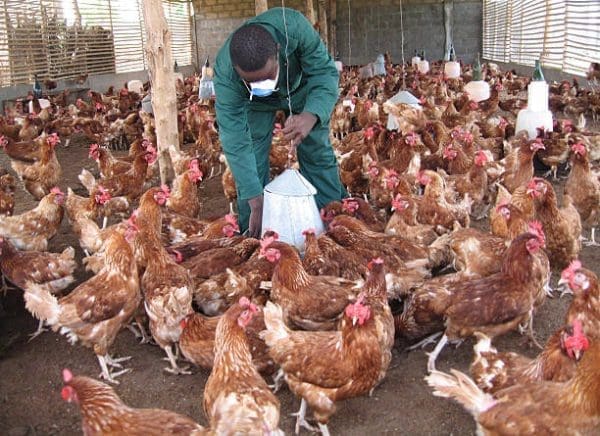
Poultry farming
Poultry farming is one of the easiest and most profitable agricultural businesses beginners can start with limited capital. Whether for eggs, meat, or both, poultry farming provides a steady source of income and food. In many African countries, especially Ghana, demand for chicken and eggs continues to grow, creating opportunities for small-scale farmers.
If you are considering starting a poultry farm, understanding the basics is the first step toward success.
Why poultry farming?
Poultry farming has several advantages for beginners:
- Requires relatively small startup capital
- Poultry grows quickly compared to other livestock
- Eggs and chicken meat are always in demand
- It can be started in a small backyard space
- Poultry waste can be used as organic manure for crops
With proper management, even a small poultry business can expand into a profitable enterprise.
Choosing the type of poultry farming
Before starting, decide which type of poultry farming you want to focus on.
Broiler farming
Broilers are chickens raised mainly for meat production. They grow fast and are usually ready for sale within 6 to 8 weeks.
Layer farming
Layers are chickens raised for egg production. They begin laying eggs at about 18 to 20 weeks old and can produce eggs for over a year.
Dual-purpose birds
Some farmers raise birds suitable for both meat and eggs, especially in rural communities.
Housing and Space
A good poultry house protects birds from rain, heat, predators, and diseases. The structure does not need to be expensive, but it should have:
- Proper ventilation
- Clean drinking water
- Enough feeding space
- Adequate lighting
- Dry flooring
Avoid overcrowding because it increases stress and disease outbreaks among birds.
Feeding your birds
Feed is one of the most important parts of poultry farming because healthy birds grow faster and produce better eggs.
Common poultry feeds include:
- Starter feed for chicks
- Grower feed for developing birds
- Finisher feed for broilers
- Layer mash for egg-laying birds
Always provide clean water alongside feed. Poor feeding can lead to slow growth and low productivity.
Vaccination and disease control
Diseases are one of the biggest challenges in poultry farming. Beginners should work with a veterinary officer or animal health expert to create a vaccination schedule.
Common poultry diseases include:
- Newcastle disease
- Coccidiosis
- Fowl pox
- Gumboro disease
To reduce disease risks:
- Keep the poultry house clean
- Remove dead birds immediately
- Limit visitors to the farm
- Wash feeding and drinking equipment regularly
Starting small is smart
Many successful poultry farmers started with a few birds. Starting small helps beginners learn management skills without taking huge financial risks.
For example:
- Start with 50 to 100 chicks
- Monitor feeding costs and bird growth
- Learn marketing and customer management
- Expand gradually as profits increase
Marketing your poultry products
Before your birds are ready for sale, identify potential buyers such as:
- Local markets
- Restaurants and hotels
- Neighbours and households
- Grocery shops
- Egg distributors
Good customer relationships and quality products can help grow your business quickly.
Challenges in poultry farming
Like every business, poultry farming comes with challenges, including:
- High feed costs
- Disease outbreaks
- Poor market prices
- Power and water supply issues
However, proper planning and good management can help farmers overcome these difficulties.
Conclusion
Poultry farming is a practical business opportunity for beginners interested in agriculture. With proper housing, feeding, disease control, and market planning, small-scale poultry farming can become a reliable source of income and food security.
Starting small, learning consistently, and maintaining good farm hygiene are key steps toward building a successful poultry business.