
Pete Edochie explains why many Western marriages are failing
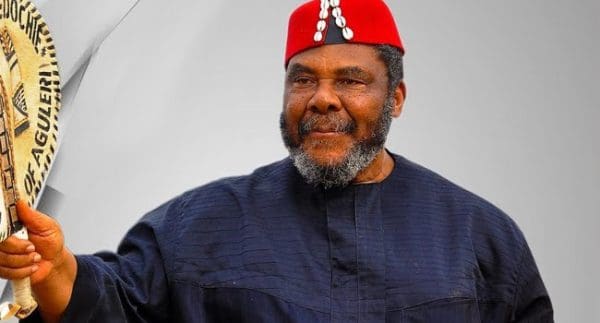
Pete Edochie
Veteran Nollywood actor Pete Edochie has sparked fresh debate after blaming the structure of marriage in many Western countries for the high rate of divorce commonly observed there. The iconic Nigerian performer, widely respected for his authoritative screen presence and traditional values, shared his unfiltered views during an interview with Is Bae U on the Curiosity Made Me Ask YouTube show.
In the conversation, Edochie argued that certain modern courtship practices, particularly the act of a man kneeling to propose, signal a fundamental shift in family hierarchy that ultimately undermines the stability of marriage.
According to the veteran actor, men who kneel to propose to women are already giving up their position as head of the family.
He stated the point plainly: “If you step down on your knee and you offer a woman a ring, you are conceding headship of the family to that woman.”
For Edochie, this single gesture carries symbolic weight far beyond romance. In his view, it publicly transfers authority from the man to the woman at the very beginning of the marital journey, setting a tone that contradicts what he considers the natural and traditional order of the home.
Edochie went on to link this shift in family roles directly to the high rate of divorce in Western countries.
He posed a rhetorical question that underscored his conviction: “Have you ever asked yourself why marriages don’t last in Western countries? Oh yeah, but that’s the reason.” In his analysis, once the foundational structure of male headship is abandoned, the relationship becomes more vulnerable to conflict, dissatisfaction, and eventual breakdown.
The actor suggested that Western societies have normalised practices that invert traditional roles, and the statistical outcome, in his opinion, is the elevated divorce rates frequently discussed in those regions.
He argued that the financial consequences of divorce can also make the situation worse for men. Highlighting what he sees as an uneven legal landscape, Edochie remarked: “So, if your wife decides to divorce you, she’s entitled to maybe half or 75 per cent of what you have.”
This observation, he indicated, creates additional pressure and risk for husbands, potentially discouraging long-term commitment or fostering resentment when marriages fail. For him, the combination of reversed family authority and punitive financial outcomes forms a system that works against lasting unions.
For Edochie, the issue goes beyond the act of kneeling during a proposal. He framed the kneeling ritual as merely the most visible symbol of a broader cultural reorientation.
In traditional African settings that he often champions, marriage is typically understood as a partnership with clearly defined leadership roles, where the man is expected to provide direction, protection, and primary responsibility. By contrast, he portrayed the Western model as one that has gradually eroded those distinctions in the name of equality, sometimes at the cost of stability.
The comments have drawn attention precisely because they come from a figure of Edochie’s stature. As one of Nollywood’s most enduring stars, known for portraying strong patriarchal characters across decades of film, his words carry cultural resonance among audiences who value continuity with older social norms. Supporters of his position argue that he is simply voicing concerns many people hold privately about the fragility of modern marriages and the practical difficulties men can face after divorce.
Critics, meanwhile, contend that his framing oversimplifies complex social, economic, and legal factors that contribute to divorce rates across different societies.
Regardless of where one stands, Edochie’s remarks reopen longstanding conversations about gender roles, authority within the home, and the cultural influences that shape marital expectations.
By connecting a familiar proposal gesture to wider patterns of marital failure and financial risk, he has invited listeners to examine the assumptions embedded in contemporary courtship and family life. Whether one agrees with his diagnosis or not, the veteran actor has once again demonstrated his willingness to speak candidly on matters that many prefer to leave unspoken.


