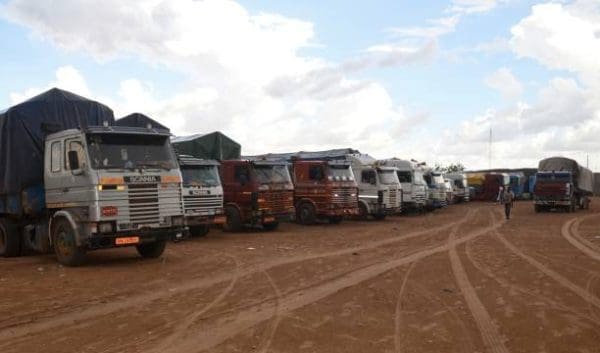
Trade tensions at a key border crossing have led to the detention of several trucks transporting onions bound for Ghana.
The incident has raised concern among traders and consumers, as supplies of fresh produce could be affected if the situation persists.
The trucks, carrying mainly onions, were reportedly blocked by suspected armed men in Samia, a town in Kebbi State, as they made their way from the Republic of Niger through Nigeria en route to Ghana.
According to reports, the vehicles were stopped while en route, in what is believed to be a retaliatory move linked to disputes between traders in Ghana and Nigeria.
Some Nigerian onion traders in Accra had earlier complained that their goods were prevented from being offloaded by certain local traders, a development that appears to have fueled tensions across borders.
The trucks typically transport produce from Galimi, a farming community in Niger, before passing through Nigeria, Benin, and Togo into Ghana. The current disruption is said to reflect long-standing disagreements within the onion trade network.
An Accra-based trader, Alhaji Fuseini Atiiga, noted that the dispute partly stems from how trucks are allocated among local groups, with some Nigerian traders opposing the existing distribution system.
Such interruptions are not uncommon in cross-border trade within West Africa, where differing regulations, documentation requirements, and enforcement practices can sometimes slow the movement of goods.
For Ghana, which relies heavily on imports of onions and other vegetables from neighbouring countries, any disruption in supply can quickly affect market prices. Traders are already concerned that shortages could drive up costs for consumers, particularly in urban areas where demand is high.
The agricultural trade between Nigeria and Ghana plays a vital role in regional food distribution. However, recurring border issues highlight the need for stronger cooperation and more streamlined processes to ensure the smooth movement of goods.
If the situation is not resolved promptly, it could have wider implications for food availability and pricing in Ghana, underscoring the importance of stable and efficient regional trade systems.