
Otto Addo sacked after 8 wins, 5 draws and 9 defeats
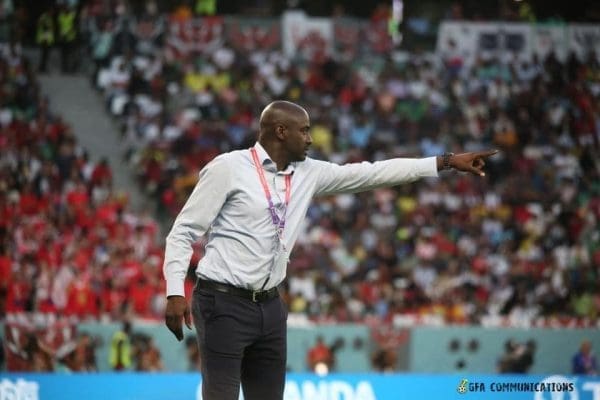
Coach Otto Addo
The dismissal of Otto Addo as head coach of Ghana’s senior national team, the Black Stars, marks the end of a turbulent yet historically significant chapter in the country’s football journey, defined by moments of promise, inconsistency, and ultimately, unmet expectations.
The Ghana Football Association confirmed on Monday that it had parted ways with the German-born tactician with immediate effect, following a string of disappointing results, including back-to-back defeats in international friendlies against the Austria national football team and the Germany national football team. The losses, including a heavy 5-1 defeat in Austria and another setback in Stuttgart, extended Ghana’s poor run in friendly matches and appeared to have sealed the coach’s fate.
In its statement, the FA expressed appreciation for Addo’s service but offered little detail on the reasons behind the decision or his successor, noting that a new technical direction would be communicated in due course. His dismissal comes at a crucial time as Ghana intensifies preparations for the 2026 FIFA World Cup.
Addo’s journey with the Black Stars began in February 2022 when he was appointed assistant coach to Serbian trainer Milovan Rajevac.
Within days, he was elevated to interim head coach ahead of Ghana’s decisive World Cup playoff against the Nigeria national football team.
In what would become one of the defining moments of his managerial career, Addo guided Ghana to qualification for the 2022 FIFA World Cup, edging Nigeria on the away goals rule after a tense 1-1 aggregate draw.
That achievement instantly etched his name in Ghanaian football history, as he became the first local coach in recent times to secure World Cup qualification under such high-pressure circumstances.
He would later go on to achieve another milestone—guiding Ghana to consecutive World Cup qualifications, including securing a spot for the 2026 FIFA World Cup.
However, his tenure was far from smooth. At the 2022 World Cup in Qatar, Ghana showed flashes of brilliance but ultimately fell short.
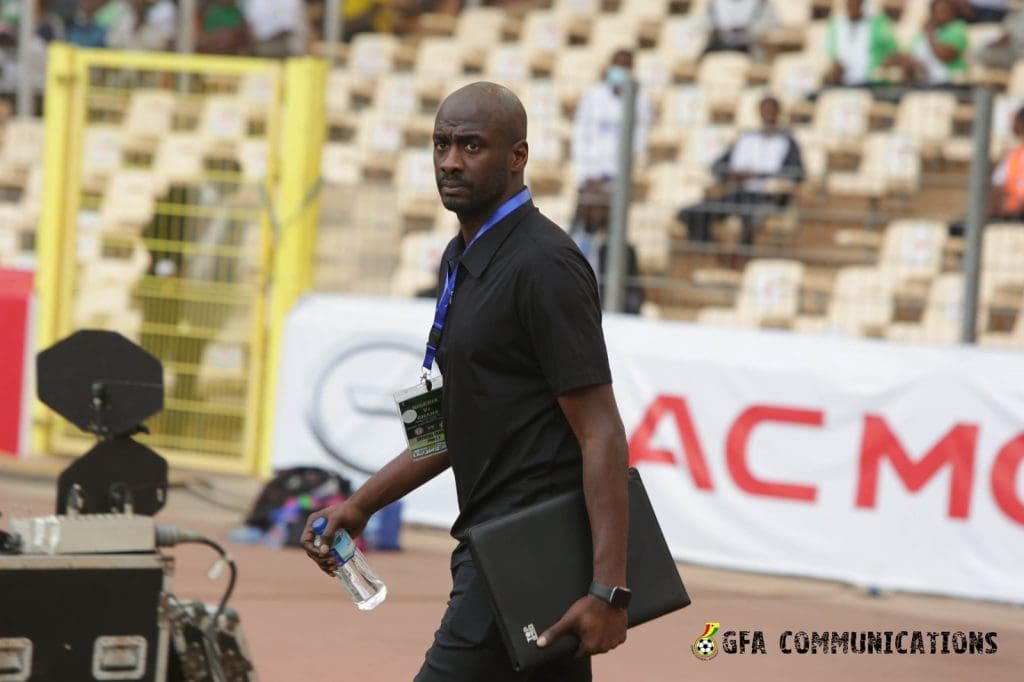
The team lost 3-2 to Portugal national football team in their opening match, rebounded with a thrilling 3-2 victory over the South Korea national football team, but suffered a decisive 2-0 defeat to Uruguay national football team, exiting the tournament at the group stage.
Despite the early exit, Addo was reappointed in March 2024 for a second stint, tasked with rebuilding the team and restoring its competitive edge.
Under his leadership, Ghana secured qualification for the 2026 World Cup, topping their group with key victories over teams such as Comoros, Mali, Madagascar, Central African Republic, and Chad.
Yet, consistency remained elusive. Ghana struggled against stronger opposition, failing to secure wins against sides like Nigeria, Sudan, Niger, and Angola.
Friendly matches also exposed weaknesses, with defeats to Japan, South Korea, Austria, and Germany raising concerns about the team’s readiness for global competition.
The most damaging blow to Addo’s tenure came during the qualifiers for the Africa Cup of Nations 2025 tournament.
Ghana endured a disastrous campaign, failing to win a single match—losing three and drawing three—to finish bottom of Group F with just three points.
The result marked Ghana’s first failure to qualify for the continental showpiece in over two decades, the last absence dating back to 2004.
By the time of his dismissal, Addo’s record stood at eight wins, five draws, and nine defeats in 22 matches, with the team scoring 35 goals and conceding 28.
While he maintained an average of 1.32 points per game and achieved the significant feat of World Cup qualification, the inability to deliver in key competitions ultimately undermined his position.
Before his coaching career, Addo had built a respectable playing career, primarily in Germany.
Born in Hamburg, he featured for clubs such as Borussia Dortmund, Mainz, Hannover, and Hamburg between 1992 and 2008.
Despite facing racial challenges early in his career, he developed resilience and maturity that would later define his approach to coaching.
On the international stage, Addo represented Ghana as a player, earning caps for the Black Stars and contributing to the national team during his active years.
Though not among the most decorated players of his generation, his commitment and experience made him a valuable member of the squad.
His transition into coaching saw him take up roles within German football, notably as an assistant coach at Borussia Dortmund, where he gained valuable tactical experience before stepping into the high-pressure role with Ghana.
Addo’s tenure with the Black Stars will ultimately be remembered as one of contrasts—a coach who delivered historic World Cup qualifications yet struggled to achieve consistency and success in other major competitions.
His ability to integrate dual-nationality players and expand the talent pool was widely noted, even as results failed to meet the expectations of fans and stakeholders.
As Ghana looks ahead to the 2026 World Cup, the focus now shifts to finding a new coach capable of building on the foundation laid while addressing the tactical and structural weaknesses that plagued the team under Addo.
For Otto Addo, the chapter may have closed abruptly, but his place in Ghana’s football history—particularly for guiding the Black Stars to the global stage—remains firmly secured.