
Only two MRI machines functional across state-owned hospitals
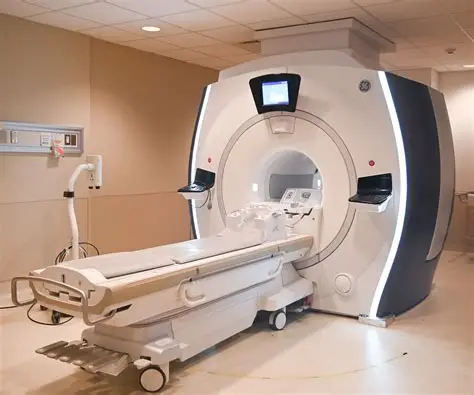
MRI machine
A nationwide assessment by the Ghana Medical Trust Fund (GMTF), widely known as MahamaCares, has exposed significant gaps in Ghana’s healthcare system, revealing that only two MRI machines are currently functional in all government health facilities across the country.
The findings paint a troubling picture of the challenges facing patients who require specialised diagnostic and treatment services, particularly those battling chronic non-communicable diseases such as cancer, heart disease and diabetes.
The assessment also revealed that public health facilities have only five mammogram machines and two radiotherapy machines nationwide. Equally concerning is the shortage of specialist medical personnel, with the entire northern part of Ghana relying on just two cardiologists to serve millions of residents.
For the administrators of the MahamaCares initiative, the figures underscore the urgency of investing in healthcare infrastructure and specialist training.
Addressing a gathering at the Office of the President in Accra on Monday, June 15, 2026, the Administrator of the Ghana Medical Trust Fund, Adjoa Obuobia Darko-Opoku, said the assessment was conducted shortly after the establishment of the fund and was intended to identify priority areas for intervention.
The findings, she noted, became the foundation upon which the fund’s strategy was developed.
According to Ms Darko-Opoku, the trust fund’s operations are anchored on four key pillars: patient support, infrastructure and equipment, workforce development, and medical research.
“The needs assessment guided our four strategic pillars,” she explained, adding that the initiative seeks to address long-standing inequalities in access to quality healthcare.
She stressed that access to specialised healthcare services should not be influenced by a patient’s location or financial circumstances.
“Access to specialised healthcare should not depend on where you are coming from, your need or your income,” she said.
Among the immediate priorities identified by the fund is the acquisition of additional MRI scanners to improve diagnostic services and reduce delays in treatment.
Beyond equipment procurement, the fund is also pursuing major investments in specialist healthcare delivery. Ms Darko-Opoku announced that work is already underway on three cardiology centres located at the Korle Bu Teaching Hospital, Komfo Anokye Teaching Hospital and Tamale Teaching Hospital.
She further disclosed that dialysis machines and intensive care equipment are being supplied to health facilities across the country to strengthen service delivery.
The initiative’s broader ambition is to significantly expand Ghana’s pool of medical specialists. The fund hopes that within the next few years every region will have at least 10 specialists capable of providing advanced care for chronic disease patients.
The impact of the programme is already beginning to emerge. During a pilot phase, the trust fund financed surgeries and chemotherapy treatment for 50 patients, providing assistance ahead of a nationwide rollout of patient support services in 29 hospitals.
For beneficiaries, Ms Darko-Opoku said, the support has represented far more than medical intervention.
“These are not just medical successes; they are stories of restored hope,” she remarked.
The occasion also served as a fundraising milestone for the initiative. A cheque for GH¢6.1 million was presented to the fund, representing contributions from President John Dramani Mahama, presidential staff and appointees.
The amount includes the President’s six-month salary contribution, one-month salary donations from appointees and staff, as well as deductions from officials who failed to meet asset declaration deadlines.
Deputy Chief of Staff Nana Oye Bampoe Addo described the growing burden of chronic diseases as a national concern. She cited one healthcare facility that recorded 5,000 new diabetes referrals in the first six months of 2025 as evidence of rising demand for specialised care.
She noted that the Ghana Medical Trust Fund is expected to require approximately GH¢3 billion annually during its first three years, while Parliament has already approved GH¢2.9 billion under the Ghana Medical Trust Fund Act, 2025 (Act 1144).
Both officials appealed for sustained public and private support, emphasising that tackling chronic diseases requires collective action. Ghanaians wishing to support the initiative can contribute by dialling *255# on any mobile network.