
Nearly 1 in 3 Ghanaians living with HIV unaware of status — GAC
Nearly one out of every three Ghanaians living with HIV does not know their status, a worrying development that threatens national efforts to control the epidemic and achieve the global target of ending AIDS as a public health threat by 2030.
The 2025 National HIV Estimates and Projections by the Ghana AIDS Commission (GAC) show that although an estimated 334,721 people were living with HIV in Ghana as of 2025, only 227,593 people, representing 68 per cent, knew their HIV status.
The figures mean that about 107,128 people living with HIV remain unaware of their condition, creating a major challenge for early treatment, prevention of new infections and the broader fight against the disease.
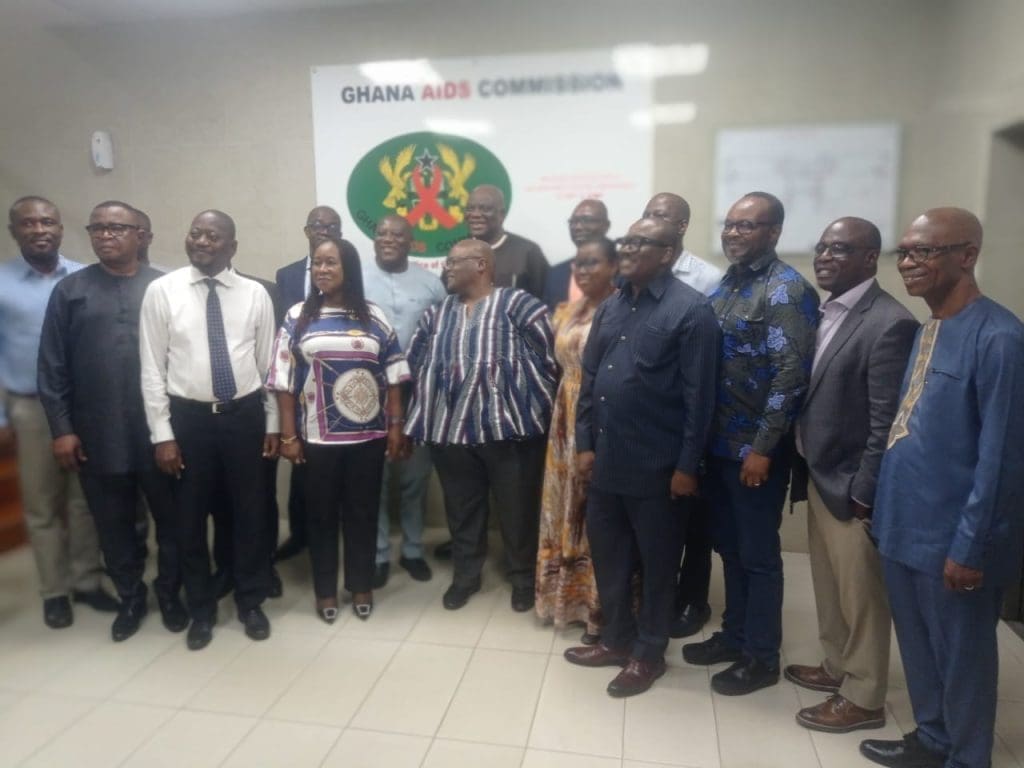
The estimates were disclosed at a press briefing in Accra on the 2025 HIV and AIDS Estimates and Projections, where officials warned that gaps in HIV diagnosis and treatment coverage remain significant despite progress in managing the epidemic.
13,951 new infections, 12,051 AIDS-related deaths recorded
The report revealed that Ghana recorded 13,951 new HIV infections in 2025, including 1,227 children aged between zero and 14 years and 12,724 adults aged 15 years and above.
It also recorded 12,051 AIDS-related deaths during the year.
Children accounted for 1,518 of the deaths, while adults aged 15 years and older recorded 10,533 deaths.
The Commission said the figures highlight the urgent need to expand HIV testing, strengthen treatment access and ensure that people diagnosed with HIV remain on medication to suppress the virus.
According to the estimates, out of the 337,435 people reported to be living with HIV, 21,922 were children between zero and 14 years, while 315,513 were aged 15 years and above.
Treatment gap threatens epidemic control
Presenting the report, the Director for Research, Monitoring and Evaluation at the Ghana AIDS Commission, Isaiah Doe Kwao, said the country’s HIV treatment cascade currently stands at 68-69-90, reflecting progress but also revealing significant gaps.
He explained that out of the 227,593 people who know their HIV status, 156,821 are receiving antiretroviral therapy (ART), representing 69 per cent of those diagnosed.
Among those receiving treatment, 140,357 people have achieved viral suppression, accounting for 90 per cent of persons on ART.
Mr Kwao said viral suppression remained one of the most critical indicators in HIV management because individuals whose viral load becomes undetectable can remain healthy and do not sexually transmit HIV when they consistently take their medication.
However, he warned that the country cannot achieve epidemic control if large numbers of people remain undiagnosed and untreated.
Testing and treatment progress
Despite the challenges, the estimates recorded improvements in viral load monitoring and treatment outcomes.
The number of people tested for viral load among those receiving treatment increased from 54,538 in 2018 to 125,051 in 2025.
Similarly, the number of people who achieved viral suppression more than tripled from 36,226 in 2018 to 114,956 in 2025.
The Ghana AIDS Commission attributed the improvement to better treatment adherence, strengthened laboratory systems and improved patient follow-up.
Children remain a major concern
The report identified children living with HIV as one of the groups facing the largest gaps in diagnosis.
Only 46 per cent of children living with HIV know their status, although 87 per cent of those diagnosed are receiving treatment and 81 per cent have achieved viral suppression.
The Commission attributed the low diagnosis rate among children partly to missed opportunities for early infant diagnosis.
It called for intensified efforts to identify HIV-positive children early and link them to treatment to prevent avoidable deaths and improve health outcomes.
Women outperform men in HIV care cascade
The estimates showed significant differences in HIV diagnosis and treatment outcomes.
Among adult women living with HIV:
- 79 per cent know their HIV status
- 82 per cent of those diagnosed are receiving treatment
- 93 per cent of those on treatment have achieved viral suppression
For adult men:
- 57 per cent know their HIV status
- 76 per cent of those diagnosed are receiving treatment
- 91 per cent have achieved viral suppression
The Commission said the disparities require targeted interventions to improve HIV testing and treatment uptake among men.
Greater Accra leads regional HIV burden
The Greater Accra Region recorded the highest number of people living with HIV in 2025, with 77,512 cases.
It was followed by:
- Ashanti Region — 68,354
- Eastern Region — 42,704
- Central Region — 24,324
- Western Region — 23,548
- Bono Region — 20,736
- Volta Region — 18,387
- Bono East Region — 12,676
- Western North Region — 9,752
In the northern part of the country, the Northern Region recorded the highest number of cases with 7,411, followed by:
- Ahafo Region — 7,393
- Upper East Region — 7,072
- Upper West Region — 6,567
- Oti Region — 5,336
- Savannah Region — 3,627
- North East Region — 2,030
GAC calls for stronger response
The Director-General of the Ghana AIDS Commission, Dr Kharmacelle Prosper Akanbong, said the estimates provide critical evidence for improving Ghana’s HIV response.
He explained that the projections provide “a comprehensive picture of the epidemic, highlight our achievements, identify persistent gaps, and inform the strategic actions needed to strengthen the national HIV response.”
Dr Akanbong said Ghana used advanced modelling tools, including the Spectrum/AIDS Impact Model (AIM), Naomi and the integrated Shiny90 model, which combine surveillance, demographic and programme data to estimate HIV prevalence, incidence, mortality, treatment coverage, viral suppression and progress towards the UNAIDS 95-95-95 targets.
He said the models are continuously refined by the UNAIDS Reference Group on Estimates, Modelling and Projections to improve accuracy and policy relevance.
Need to eliminate stigma, expand testing
The Board Chairman of the Ghana AIDS Commission, Kakra Essamuah, described the estimates as an important accountability tool that would guide Ghana’s efforts to ensure people living with HIV know their status, receive sustained treatment and achieve viral suppression.
He said the findings exposed persistent inequalities affecting vulnerable groups and regional disparities requiring targeted interventions.
“These findings reinforce the need to strengthen community systems and expand access to quality HIV services,” he said.
The Commission urged Ghanaians to embrace voluntary HIV testing, stressing that early diagnosis allows people to start treatment early, live longer and healthier lives, and prevent further transmission.
It warned that Ghana can only achieve epidemic control if more people know their status, remain on treatment and achieve sustained viral suppression while addressing stigma and discrimination associated with HIV.