
Galamsey metals contaminate Ghanaian vegetables — Study
The environmental consequences of illegal small-scale mining in Ghana may extend beyond polluted rivers and damaged forests, with a review of 45 scientific studies finding evidence of toxic metal contamination in vegetables grown in mining-affected communities.
Published in Environmental Monitoring and Assessment, the review investigated how lead, cadmium, chromium, mercury and arsenic enter commonly consumed vegetables through contaminated soil and irrigation water.
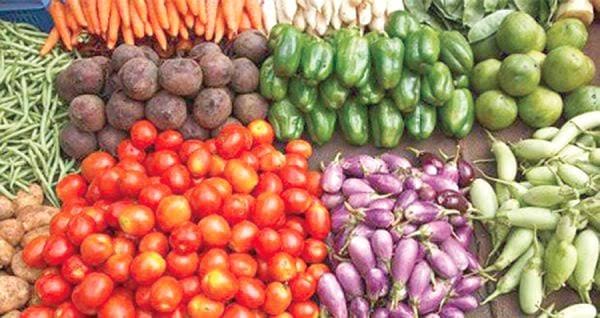
The vegetables examined included tomatoes, pepper, garden eggs and onions, highlighting potential risks to food safety in areas where agricultural activities take place near mining operations.
The research was conducted by Eric Osei Bonsu, a research assistant and scientist at the CSIR-Crops Research Institute in Kumasi, together with Michael Kwabena Osei, Harry Okyere and James Korang.
Findings across 11 mining districts
The researchers analysed evidence from 11 mining districts and found that cadmium was particularly concerning because of its ability to move from soil into crops.
In tomatoes and garden eggs, cadmium soil-to-plant transfer factors exceeded 1.0, suggesting that concentrations in the vegetables could equal or exceed those measured in the soil.
The review also found that lead, arsenic and mercury exceeded World Health Organisation and FAO Codex limits for vegetables at several study locations.
Some of the highest contamination levels were recorded in sites within the Ashanti and Western Regions. At the most contaminated locations reported, arsenic levels reached up to 200 times the applicable limit, while mercury concentrations reached up to 400 times the limit.
The findings suggest that mining-related pollution may threaten not only ecosystems and agricultural land but also the safety of food produced in affected communities.
The researchers also assessed the combined potential hazards associated with exposure to multiple metals. In every mining-adjacent community where the cumulative hazard index could be calculated, the index exceeded 1.0, indicating an elevated potential risk of non-cancer health effects among regular consumers of vegetables from those locations.
Gaps in contamination assessment
Although chromium transfer into vegetables was generally low, the researchers warned that available evidence was insufficient to establish the full extent of the potential hazard.
Nearly all the studies reviewed failed to distinguish between trivalent chromium and hexavalent chromium, which is significantly more toxic. The researchers therefore called for more detailed analysis of the chemical forms of chromium and arsenic.
Calls for stronger monitoring
The review recommends prioritising testing of vegetables, soil, and irrigation water in mining-affected districts to identify contaminated production areas.
It also advocates post-harvest washing and proper handling to reduce surface contamination, while acknowledging that these measures cannot remove toxic metals already absorbed by plants.
The researchers further called for agricultural buffer zones determined by local contamination patterns rather than a single nationwide distance from mining sites.
Other priorities include better assessment of the combined effects of toxic metals and long-term human biomonitoring to establish links between contaminated food and exposure among residents.
The study underscores the need to incorporate food safety into Ghana’s response to galamsey, particularly in communities where mining and farming share the same environment.
Bonsu thanked his co-authors and colleagues at the CSIR-Crops Research Institute and the CSIR College of Science and Technology for their contributions.
“Galamsey is usually discussed in terms of rivers and forests. Our hope is that this review places the food on Ghanaian plates firmly within that conversation,” he said.