
Fuel price cut: Govt to lose GH¢200 million — Energy Ministry
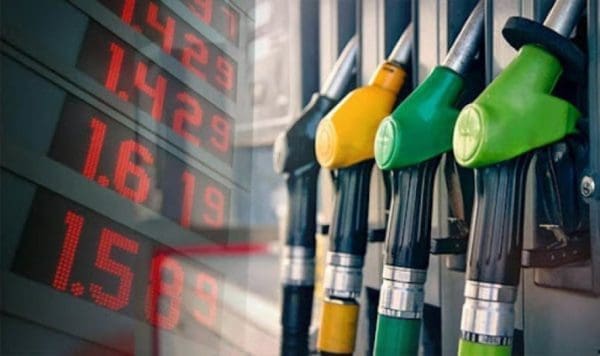
Fuel pump
The government is set to forgo an estimated GH¢200 million in revenue following a reduction in fuel prices, a move described as a necessary intervention to ease the financial burden on citizens.
According to the Spokesperson for the Ministry of Energy, Richmond Rockson, the decision—while fiscally significant—has been positioned as a relief measure aimed at cushioning households and businesses grappling with the rising cost of living.
Fuel prices play a critical role in Ghana’s economy, influencing transportation costs, food prices, and overall inflation. As such, any reduction is expected to have a ripple effect across multiple sectors.
The government announced a temporary reduction in fuel costs, stepping in to cushion consumers after weeks of sharp price increases triggered by escalating tensions in the Middle East.
Effective April 16, 2026, the state will absorb GH¢2.00 per litre on diesel and GH¢0.36 per litre on petrol, in what officials describe as a short-term intervention aimed at easing pressure on households, transport operators, and businesses.
Speaking on the development, Richmond Rockson explained that global price hikes—largely driven by geopolitical tensions in the Middle East—have significantly impacted fuel costs, prompting government intervention.
He noted that the decision by the President and Cabinet reflects a deliberate effort to prioritise the welfare of citizens, even at a financial cost to the state
“This will lead to a net loss of about GH¢200 million that could have accrued to the government, but it is a necessary sacrifice to bring relief to the people of Ghana,” he said in an interview on Accra-based Citi FM.
Since the outbreak of the latest Middle East conflict, crude oil prices have risen sharply amid fears of supply disruptions and heightened geopolitical uncertainty.
These developments have pushed pump prices upward, intensifying cost-of-living pressures across the country. In recent weeks, transport fares have come under sustained upward pressure, while businesses—particularly those reliant on fuel for logistics and production—have faced increasing operational costs.
For many households, the ripple effects have been evident in higher food prices and broader inflationary strain, underscoring the urgency of the government’s intervention.