
FIFA rankings: Ghana move up to 65th
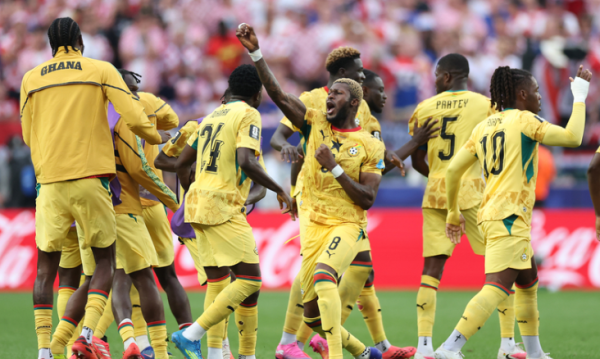
Black Stars of Ghana
The Black Stars of Ghana have made a significant statement on the global stage, climbing eight places in the latest FIFA World Rankings released following the conclusion of the 2026 FIFA World Cup.
Moving from 73rd to 65th position, Ghana’s ascent reflects their solid performance in the expanded tournament, where they advanced to the Round of 32 before a narrow exit against Colombia. This upward movement not only boosts national pride but also underscores the growing competitiveness of African teams in world football.
In the Confederation of African Football (CAF) standings, Ghana now occupies 14th place. Their eight-place jump ranks as the second-largest improvement globally, surpassed only by Norway, who skyrocketed 12 places to reach 19th position after an impressive run to the quarter-finals.
Such notable shifts highlight how tournament performances can dramatically reshape a team’s standing, rewarding those who exceed expectations and penalising underperformers.
At the summit of world football, Spain have reclaimed the number one spot, dethroning Argentina following a thrilling 1-0 extra-time victory in the final held at the iconic New York New Jersey Stadium. The match encapsulated the high drama of the competition, with Spain’s tactical discipline and depth proving decisive against a resilient Argentine side.
France and England maintain their strong positions at third and fourth respectively, demonstrating the continued dominance of European powerhouses. Meanwhile, Brazil and Morocco each climbed one spot, settling into fifth and sixth positions.
Morocco’s achievement stands out particularly for African football enthusiasts. Reaching the quarter-finals, the Atlas Lions have cemented their status as the highest-ranked African team ever, now sitting at a historic sixth place worldwide.
This milestone builds on their impressive 2022 campaign and signals a new era of consistency for North African football. Trailing Morocco in the continental hierarchy are Senegal in 18th, Egypt in 24th, Nigeria in 26th, and Algeria in 29th. Collectively, these teams illustrate Africa’s deepening talent pool, though gaps remain in converting potential into consistent global success.
The 2026 World Cup was a landmark event in many respects. As the first tournament expanded to 48 teams, it delivered a record 104 matches, providing more opportunities for nations to showcase their abilities on the grandest stage. Four countries made their World Cup debuts, adding fresh narratives and diversity to the competition. The expanded format not only increased excitement but also tested squads’ endurance and squad depth across a more demanding schedule.
Mexico’s resurgence added another positive storyline. The Mexicans returned to the top ten for the first time since March 2022, climbing four places to 10th. Their steady progress through the tournament demonstrated improved organisation and tactical maturity, re-establishing them as a force in CONCACAF and on the global scene.
On the other end of the spectrum, Tunisia suffered the largest decline, dropping 12 places to 57th after an early group-stage elimination. Such steep falls serve as a reminder of the unforgiving nature of international football, where failure to advance can lead to significant ranking penalties and pressure on coaching staff and federations to implement rapid improvements.
Overall, these rankings capture a moment of transition in world football. Spain’s triumph reaffirms European excellence, while Morocco’s rise and Ghana’s solid climb highlight Africa’s upward trajectory. The Black Stars’ performance, though ending in the Round of 32, has restored momentum and optimism within Ghanaian football. Fans and analysts will now watch closely to see whether this ranking boost translates into sustained success in upcoming qualifiers and tournaments.
The 2026 edition, with its record matches and debutants, has broadened the sport’s appeal and competitiveness. As national teams regroup, the new FIFA standings provide both validation for overachievers and a roadmap for those seeking to climb higher.
For Ghana, the jump from 73rd to 65th is more than a number—it represents resilience, tactical growth, and a foundation for future ambitions on the continental and global levels. With continued investment in youth development and infrastructure, the Black Stars could push even further in the years ahead, inspiring the next generation of Ghanaian talents.