
Alarming: Bono Region records 1,145 HIV cases in 5 months
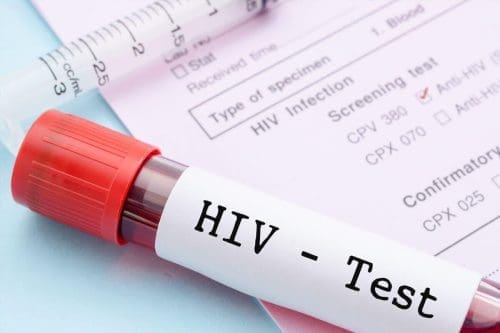
HIV test
The Bono Region has recorded 1,145 new HIV infections within five months. This highlights the continued need for stronger prevention, testing, and awareness campaigns. These campaigns are necessary to reduce the spread of the virus.
According to figures by the Ghana AIDS Commission (GAC), the Bono Region recorded 1,145 new HIV infections between January and May 2026.
The figures have raised concerns among health stakeholders. As a result, they are urging residents to take preventive measures and know their HIV status. They should also seek early medical support when needed.
The Bono, Bono East and Ahafo Regional Technical Coordinator of the GAC, Ahmed Ibrahim Bambilla, said the infections were being recorded among both male and female populations considered at higher risk.
Bambilla said the Commission had intensified prevention measures. These include the distribution of Pre-Exposure Prophylaxis (PrEP) to help reduce new infections.
He explained that PrEP is an effective HIV prevention medication that protects people at increased risk of contracting the virus when taken as prescribed.
Bambilla urged individuals using PrEP to follow the recommended medication schedule strictly. This will maximise its effectiveness.
He also encouraged persons living with HIV to take their antiretroviral (ARV) medication consistently. This helps suppress the virus and maintain healthy lives.
A breakdown of the figures showed that the Sunyani Municipality recorded the highest number of new infections in the region, with 222 cases, followed by the Berekum Municipality with 184 cases.
The Jaman South Municipality recorded 126 new infections, while Wenchi Municipality registered 119 cases. Other areas affected included the Tain District with 112 cases and Dormaa East District with 95. Dormaa Municipal had 71, Sunyani West Municipal 65, and Jaman North District 60. Dormaa West District reported 57, Berekum West District 27, and Banda District seven cases.
Bambilla called on the public to avoid risky sexual practices, particularly unprotected sex. He also encouraged individuals to undergo regular HIV testing to know their status.
He stressed that early detection and consistent treatment remain essential in controlling the spread of HIV. Moreover, these measures improve the quality of life of people living with the virus.
The GAC continues to collaborate with health partners and communities to promote HIV prevention, testing, treatment, and awareness programmes aimed at reducing new infections across the country.