
Agric Minister: Ghana imports $350m worth of poultry annually

Agric Minister Eric Opoku
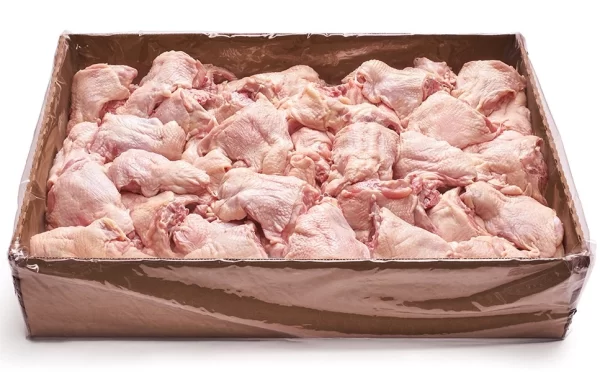
Minister for Food and Agriculture, Eric Opoku, has disclosed that Ghana spends approximately $350 million every year importing poultry products, a situation he says continues to undermine local producers and drain valuable foreign exchange.
According to the Minister, the country’s heavy dependence on imported chicken highlights the urgent need to boost domestic poultry production to strengthen food security, create jobs and reduce the growing import bill.
Speaking on the future of poultry beyond the Nkoko Nkitinkiti project on Friday, July 17, 2026, Opoku said the government is determined to reverse the trend by implementing policies and programmes aimed at increasing local poultry production and making Ghana more self-sufficient.
He noted that despite the country’s favourable climate and vast agricultural potential, local poultry farmers continue to face challenges, including high feed costs, limited access to financing, inadequate processing facilities and competition from cheaper imported products.
The Minister stressed that addressing these bottlenecks would help expand the poultry industry, improve farmers’ incomes and reduce the country’s dependence on imports.
“As we speak, on an annual basis, we spend $350 million United States dollars to import poultry products into Ghana. That huge amount of money is creating jobs in those countries at the expense and peril of the youth of our nation,” he said on Accra-based Joy FM.
Opoku explained that increasing local production would not only save foreign exchange but also create employment opportunities across the poultry value chain, from feed production and hatcheries to processing, transportation and marketing.
He said the government is working with stakeholders in the agricultural sector to improve productivity by enhancing access to quality day-old chicks, affordable feed, veterinary services and modern farming technologies.
The Minister also called on financial institutions to support poultry farmers with accessible credit facilities, noting that investment in the sector has the potential to deliver significant economic returns.
He indicated that after supporting households under the first phase of the project, the next phase will focus on medium-scale poultry producers to help them expand their operations.
“Some of them are able to do from 500 birds to about 3,000 birds. They need the capacity to expand, and it is the duty of government, as we pursue increased production, to give them that support to enable them to expand,” he stressed.
He further urged Ghanaians to support locally produced poultry products, saying increased patronage would encourage producers to expand their operations and improve quality standards.
Opoku reiterated the government’s commitment to transforming agriculture into a major driver of economic growth, adding that revitalising the poultry industry remains a key priority in efforts to reduce food imports and strengthen the country’s agricultural sector.
He expressed confidence that with sustained investment and collaboration between the government and the private sector, Ghana can significantly reduce its reliance on imported poultry while creating thousands of jobs and improving national food security.