Catholic Bishops raise alarm over cocaine trafficking
The Ghana Catholic Bishops’ Conference (GCBC) has called for urgent and coordinated national action to tackle the growing threat of illicit drug trafficking and abuse in Ghana, describing the situation as a serious national concern and a profound moral crisis.
The Bishops said the drug menace could no longer be treated merely as a routine criminal matter, warning that it threatens the moral fabric, security and future of the country.
In a press statement issued on Monday, September 21, 2026, and signed by the President of the GCBC, Most Rev. Matthew Kwasi Gyamfi, the Bishops expressed concern over the increasing number of major narcotics seizures linked to Ghana.
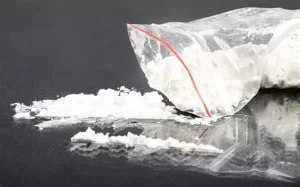
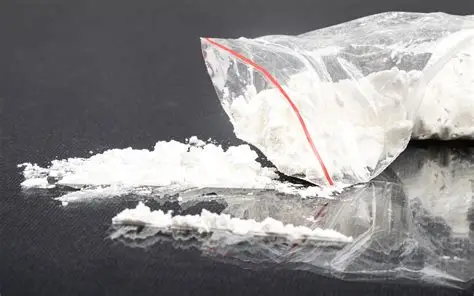
They cited the interception by French customs authorities at Dunkirk on September 10 of nearly 3.9 tonnes of cocaine concealed in a container of plastic waste that had arrived from Ghana.
The shipment, estimated to have a street value of €225 million, was reportedly partly destined for Antwerp, Belgium.
Four Ghanaians — Desmond Koranteng Curiel, alias “Paul Kweku Yeboah” or “Biggs”; Musah Attah, alias “Kromo”; Kweku Otchere; and Jessica Hartog — were arraigned before the High Court in Accra on September 16.
They face charges of conspiracy to export narcotic drugs without a licence and exportation of narcotic drugs and have been remanded to reappear on October 13. A fifth accused, Dutch national Jos Leijdekkers, alias “Bolle Jos”, is reported to be at large.
The Bishops stressed that the accused persons remain presumed innocent until proven guilty but said the scale of the alleged shipment was deeply disturbing.
“Investigations must establish how such a consignment left Ghana through legitimate commercial channels,” the statement said.
The GCBC commended the Narcotics Control Commission (NACOC) and other agencies involved in the investigations and urged continued cooperation with French authorities to uncover the full extent of the alleged trafficking network.
The Bishops also welcomed the formation of an inter-agency task force by President John Dramani Mahama to tackle the trafficking of narcotic drugs through Ghana’s ports, airports and borders.
Wider concerns
The Catholic Bishops said the Dunkirk seizure was only one episode in what they described as a wider national problem.
They referred to several other reported incidents, including a 3.3-tonne cocaine consignment allegedly hidden under sand in a tipper truck and intercepted at Pedu Junction in Cape Coast in March 2025.
They also cited another cocaine consignment intercepted on the Takoradi–Cape Coast highway, hundreds of parcels of suspected cocaine discovered in sacks of gari at a warehouse in the Tema Harbour area, an unresolved case involving a flight from Gran Canaria allegedly carrying narcotics and undeclared currency, and a vessel that was released after payment of a partial fine before later being arrested abroad with narcotics.
The Bishops further referenced the interception of methamphetamine in a charcoal shipment by Australian authorities.
They said a parliamentary memorandum dated September 18, 2026, signed by more than 40 Members of Parliament, had placed the various incidents within a broader pattern and sought the recall of Parliament from recess under Article 112(3) of the 1992 Constitution and Order 53 of Parliament’s Standing Orders.
According to the statement, the MPs estimate that high-profile seizures linked to Ghana over the past two years exceed US$1 billion in value.
The GCBC also cited NACOC figures indicating that intelligence-led operations resulted in 217 arrests and 165 prosecutions, with more than 8.5 tonnes of assorted narcotic drugs and 45.4 million tramadol tablets intercepted during the period under review.
Beyond international trafficking, the Bishops expressed concern about the domestic impact of drug abuse, particularly among young people.
They warned that the drug trade could also undermine public institutions by creating opportunities for corruption and the abuse of public trust.
The statement referenced a March 2026 report by the Ghana Revenue Authority on the arrest of nine public officers over a large consignment of undeclared tramadol at Tema Port. The officers included five Customs officials and personnel from NACOC, Port Security, the Energy Commission and the Ghana Standards Authority.
Call to follow the money
The Bishops said the national response must go beyond prosecuting couriers and low-level actors to identifying the financiers and principal organisers behind drug trafficking operations.
They expressed concern over observations in the parliamentary memorandum that more than a year after the Pedu Junction cocaine seizure, only the driver, a housemaid and a few peripheral suspects had been arraigned, while the alleged financiers and principal traffickers remained unidentified.
“A pattern in which couriers are prosecuted while the networks that finance them escape scrutiny is the failure any credible national response must overcome,” the Bishops said.
They urged authorities to follow the money by investigating the financial networks, businesses and arrangements that sustain the illicit drug trade.
The Bishops also called for investigations into public officials suspected of facilitating trafficking, regardless of their rank or position.
Government urged to strengthen response
The GCBC appealed to the government to treat the narcotics problem as an urgent national concern and establish a coordinated response involving the Police Service, NACOC, Customs, port authorities, the judiciary and educational institutions.
They called for timely prosecution where credible evidence exists, while stressing the need to respect constitutional rights and judicial independence.
The Bishops also urged authorities to strengthen scanning and surveillance systems at Ghana’s ports, airports and borders.
They called for deeper cooperation with INTERPOL and Europol to investigate transnational trafficking networks and locate wanted persons.
The government was further urged to strengthen drug prevention and treatment programmes, expand rehabilitation services and address poverty and unemployment, which the Bishops said could make people vulnerable to trafficking.
Parliament urged to act
The Bishops welcomed Parliament’s oversight role and backed calls for key officials and institutions to account for the effectiveness of Ghana’s narcotics-control systems.
The parliamentary memorandum proposes that the Ministers for the Interior, Transport and National Security, together with NACOC, the Ghana Ports and Harbours Authority, Ghana Revenue Authority, Ghana Immigration Service and National Intelligence Bureau, be summoned to explain the adequacy of scanning, surveillance and clearance procedures at the country’s ports and airports.
“This is a legitimate and necessary step,” the Bishops said, while urging Parliament to proceed without delay.
They also called for the exercise to be conducted with “the sobriety proper to a matter of this gravity rather than partisan point-scoring.”
Church and families have a role
The Bishops stressed that the fight against drug abuse cannot be left to government alone.
They called on Catholic parishes, schools and youth organisations to intensify drug-prevention education, mentorship and pastoral support.
Parents and guardians were also urged to maintain close relationships with their children, understand their concerns and provide moral and emotional support.
The Bishops said young people struggling with drug use should not be abandoned or condemned but should be encouraged to seek professional help.
“To our young people we say plainly: do not be deceived by the temporary gains promised by the drug trade. Choose life,” they said.
The GCBC also offered prayers and pastoral support to families affected by addiction and communities suffering from drug-related crime.
The Bishops concluded by urging Ghanaians across government, civil society, the Church and families to confront the drug menace through firm but lawful measures that also emphasise prevention, rehabilitation and respect for human dignity.
They recalled the words of Christ in John 10:10: “The thief comes only to steal and kill and destroy. I came that they may have life, and have it abundantly.”
“May Ghana choose life over destruction, integrity over corruption, and the common good over illicit wealth,” the statement said.