
5 reasons why ‘sex-for-jobs’ should be punishable in Ghana
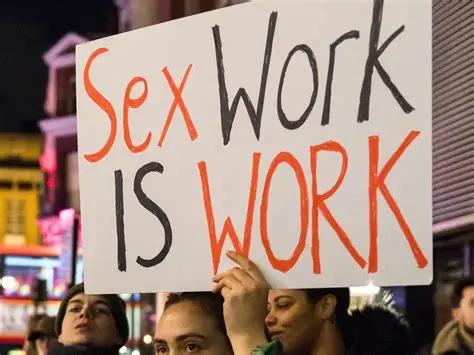
The phrase “sex for jobs” refers to a form of exploitation where individuals—often those seeking employment or promotion—are pressured, coerced, or forced to provide sexual favours in exchange for job opportunities, career advancement, or workplace protection. This practice is a serious abuse of power and a violation of human rights.
In Ghana, as in many countries, it remains a concern in both public and private institutions.
Making such conduct clearly punishable under the law is not only a moral necessity but also a practical step toward building a fair, safe, and productive society. Below are five key reasons why “sex for jobs” should be firmly punishable in Ghana.
- It is a serious abuse of power and trust
At the heart of “sex for jobs” is an imbalance of power. Employers, managers, or officials who demand sexual favors exploit their authority over vulnerable job seekers. In most cases, the victim is in a desperate position—unemployed, financially stressed, or dependent on the opportunity for survival.
This makes consent impossible in any real sense. When a person feels they must comply to get or keep a job, it is not a free choice but coercion. Punishing such behavior is necessary to protect the integrity of professional relationships and ensure that power is not used as a weapon against vulnerable individuals.
A workplace should be built on merit, skills, and professionalism—not personal exploitation.
- It undermines fair employment and meritocracy
One of the biggest dangers of “sex for jobs” is that it destroys fairness in hiring and promotion processes. When sexual favors replace qualifications, experience, and performance, deserving candidates are sidelined.
This leads to several long-term problems:
- Qualified individuals lose opportunities
- Workplace efficiency declines
- Public trust in institutions weakens
- Corruption becomes normalised
In Ghana’s competitive job market, many young people struggle to find employment. If success is tied to exploitation rather than merit, it discourages hard work and education. Making it a punishable offense helps reinforce the principle that jobs should be earned, not traded for personal favours.
- It causes deep psychological and emotional harm
Victims of “sex for jobs” often suffer long-lasting emotional and psychological trauma. The experience can lead to:
- Anxiety and depression
- Loss of self-esteem
- Fear of workplaces or authority figures
- Emotional distress and isolation
In many cases, victims remain silent due to fear of retaliation, job loss, or social stigma. This silence can worsen the psychological burden, making it difficult for them to seek help or justice.
Criminalising such behaviour sends a strong message that victims will be protected and believed. It also encourages more reporting, which is essential for breaking cycles of abuse.
- It perpetuates gender inequality and workplace discrimination
While anyone can be a victim, women and young job seekers are often disproportionately affected. This creates an environment where gender becomes a risk factor in employment.
Instead of being evaluated on qualifications, individuals may be judged on their willingness to comply with inappropriate demands. This reinforces harmful stereotypes and deepens inequality in the workplace.
Punishing “sex for jobs” helps promote equal opportunity by ensuring that no one is forced to trade dignity for employment. It also aligns with broader efforts in Ghana to promote gender equality and safe working environments.
When workplaces are free from exploitation, more women and vulnerable groups can participate confidently in the economy.
- It damages institutional integrity and national development
A society cannot develop effectively when corruption and exploitation are embedded in its systems. “Sex for jobs” is not just an individual misconduct issue—it reflects deeper institutional weaknesses.
When such behaviour goes unchecked:
- Trust in public institutions declines
- Productivity in organisations drops
- Corruption spreads across systems
- Skilled workers leave for safer environments
Over time, this weakens national development. Investors, professionals, and citizens lose confidence in institutions that tolerate abuse.
By making “sex for jobs” clearly punishable, Ghana can strengthen accountability in both public and private sectors. It signals that unethical behavior will not be tolerated and that institutions are committed to fairness and professionalism.
The importance of strong enforcement
Laws alone are not enough. For punishment to be effective, enforcement mechanisms must also be strong. This includes:
- Clear reporting channels in workplaces
- Protection for whistle-blowers and victims
- Training for human resource departments
- Public awareness campaigns about rights and responsibilities
- Swift disciplinary and legal action against offenders
Without enforcement, victims may continue to suffer in silence while perpetrators remain in positions of power.
Encouraging a culture of accountability
Beyond punishment, Ghana must also focus on changing workplace culture. Many victims do not report abuse because they fear they will not be taken seriously or that nothing will change.
A culture of accountability requires:
- Leadership commitment to ethical standards
- Zero-tolerance policies in institutions
- Education on workplace ethics
- Support systems for victims
When people understand that their rights are protected and that violations have consequences, they are more likely to speak up.
Conclusion
“Sex for jobs” is a harmful practice that undermines fairness, dignity, and trust in the workplace. It is a form of exploitation that takes advantage of vulnerable individuals and weakens the integrity of institutions.
Punishing such behaviour in Ghana is essential for several reasons: it prevents abuse of power, promotes fair employment, protects mental health, reduces inequality, and strengthens national development.
Ultimately, a society that values merit, respect, and justice must ensure that employment is based on skill and qualification—not coercion or exploitation. Making “sex for jobs” punishable is a crucial step toward building safer workplaces and a more equitable future for all Ghanaians.