
We’ll pass the anti-gay bill this time — Bagbin assures Ghanaians
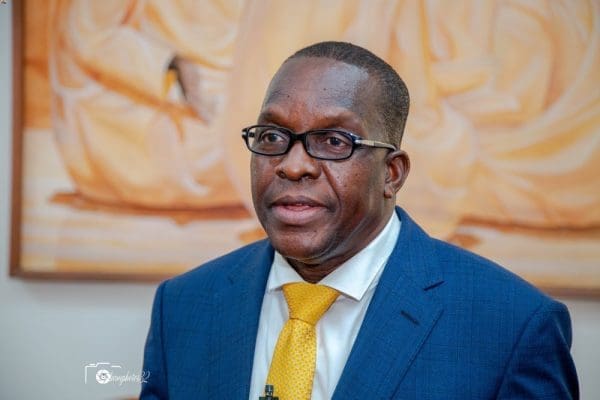
Speaker of Parliament, Alban Bagbin
A renewed push to pass Ghana’s controversial anti-LGBTQ+ legislation has emerged, with Speaker of Parliament, Alban Bagbin, expressing strong confidence that the bill will succeed under the current Parliament.
His remarks come amid an ongoing national debate over the proposed Human Sexual Rights and Family Values Bill, widely referred to as the anti-gay bill.
According to Bagbin, the failure of the previous Parliament to fully enact the bill does not signal its end.
He emphasised that although the former legislative body advanced the bill significantly, it ultimately lapsed when the parliamentary term expired.
The situation was further complicated when former President Nana Addo Dankwa Akufo-Addo declined to give presidential assent before leaving office, effectively halting its progress at the final stage.
Addressing the Kasoa Traditional Leaders and Stakeholders Forum, which brought together community leaders, residents, and government officials to discuss key development issues affecting the municipality, Bagbin assured that the bill will be passed.
A different parliamentary landscape
Central to his argument is the belief that the current Parliament differs significantly from the previous one.
He pointed out changes in both numerical strength and representation, noting that the earlier Parliament was evenly split, often described as a 137–137 balance between the two major parties: the New Patriotic Party (NPP) and the National Democratic Congress (NDC).
In contrast, he described the present Parliament as having a more decisive majority.
“Be sure, I am there, the law will be passed…when the former president declined to assent it. When that Parliament ended, it ended with that bill in the hands of the former Parliament.
“You agree with me that this parliament is not the same as the last parliament. It is very different, 137- 137 and also 20 women NPP, 20 women NDC. This Parliament is 189 as against 87,” Bagbin stressed.
Background to the Bill
The Human Sexual Rights and Family Values Bill was first introduced in 2021 and has since been one of the most debated pieces of legislation in Ghana’s recent history. The bill seeks to criminalise LGBTQ+ activities and advocacy, while also promoting what its sponsors describe as traditional family values.
Supporters argue that the bill reflects Ghanaian cultural and moral standards, and have rallied strong backing from religious groups and sections of the public.
Opponents, however, including civil society organisations and international human rights bodies, have raised concerns about its potential impact on fundamental freedoms, including freedom of expression, association, and human dignity.
Political and public reactions
Bagbin’s latest comments are likely to reignite discussions across the political spectrum. While some legislators and advocacy groups are expected to support the renewed effort, others may call for a more cautious approach, particularly given the international scrutiny that surrounded the bill’s earlier progress.
Ghana’s handling of the bill has previously drawn attention from global partners, with some warning of possible economic and diplomatic consequences should the legislation be enacted in its current form.
What lies ahead
With a new Parliament in place and proponents signalling determination, the future of the Anti-Gay Bill remains a key issue to watch. Whether the revised legislative dynamics will indeed lead to its passage is uncertain, but the lawmaker’s assurance underscores a clear intent to revisit and potentially finalise the bill.
As debate continues, the coming months are expected to be critical in shaping not only the fate of the legislation but also broader conversations about rights, culture, and governance in Ghana.