
Bipolar disorder explained: Signs, causes, and how to get help
Bipolar disorder
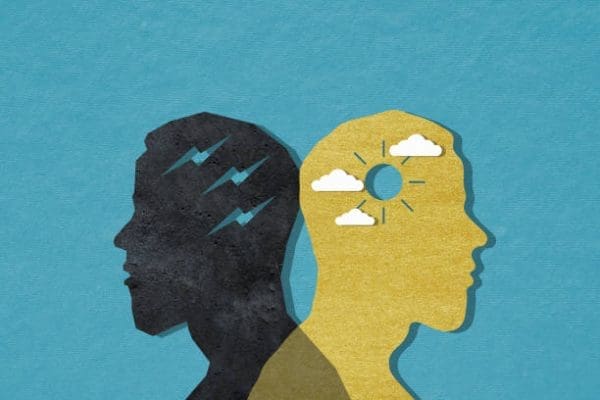
Bipolar disorder is a mental health condition that causes extreme shifts in mood, energy, and activity levels. These changes can range from periods of high energy and elevated mood (known as mania or hypomania) to episodes of deep sadness or depression.
Understanding the condition is important for early support and effective management.
At its core, bipolar disorder affects how a person feels, thinks, and behaves. During manic episodes, a person may feel unusually excited, confident, or full of energy.
They may talk quickly, sleep less, take risks, or make impulsive decisions. In contrast, depressive episodes can bring feelings of sadness, fatigue, hopelessness, and a loss of interest in daily activities.
There are different types of bipolar disorder, including bipolar I, bipolar II, and cyclothymic disorder. Bipolar I involves more severe manic episodes, while bipolar II includes milder hypomanic episodes along with major depression. Cyclothymic disorder involves frequent mood swings that are less severe but still disruptive.
The exact cause of bipolar disorder is not fully understood, but it is believed to be linked to a combination of genetic, biological, and environmental factors. A family history of the condition can increase the likelihood of developing it. Stressful life events and brain chemistry also play a role.
Diagnosis is typically made by a mental health professional through a careful evaluation of symptoms and medical history. Because symptoms can sometimes resemble other conditions, accurate diagnosis is important to ensure proper treatment.
Treatment usually involves a combination of medication and therapy. Medications such as mood stabilisers and antipsychotics can help manage symptoms, while therapy—like cognitive behavioural therapy—helps individuals understand their condition and develop coping strategies. Lifestyle changes, including regular sleep, healthy eating, and stress management, can also support stability.
Living with bipolar disorder can be challenging, but with the right treatment and support, many people can lead productive and fulfilling lives. Support from family, friends, and healthcare professionals plays a key role in managing the condition.
If you or someone you know is experiencing symptoms of bipolar disorder, it’s important to seek help from a qualified healthcare provider. Early intervention can make a significant difference in managing the condition and improving quality of life.