Odoley Sowah champions capacity building for female MMDCEs
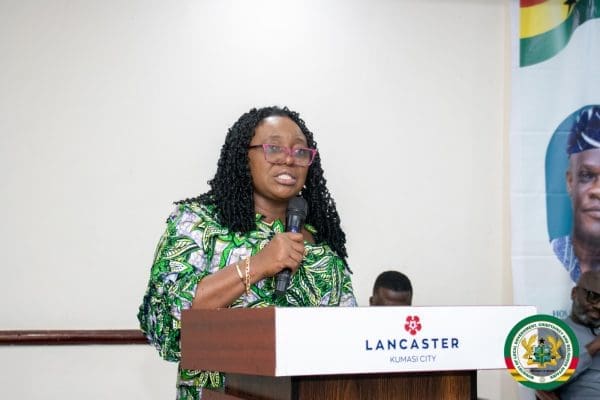
Odoley Sowah
The Deputy Minister for Local Government, Chieftaincy and Religious Affairs, Rita Naa Odoley Sowah, has emphasised that targeted capacity building for female Metropolitan, Municipal and District Chief Executives (MMDCEs) is critical to strengthening inclusive governance and improving development outcomes across Ghana.
According to her, equipping women leaders with the right skills, confidence and institutional support is essential not only to enhance their effectiveness in office but also to ensure that governance at the local level reflects the needs and aspirations of all citizens.
She made the remarks at a Special Orientation and Leadership Development Programme organised for female MMDCEs in Kumasi, describing the initiative as a deliberate intervention by the Ministry to bridge existing gaps in leadership and participation.
Sowah noted that while women continue to play significant roles in community development, their representation in formal governance structures remains disproportionately low.
She stressed that addressing this imbalance requires more than increasing numbers, pointing to the need for sustained investment in building the capacity of women already in leadership positions.
“This programme is more than a training; it is about empowering women to lead with confidence, competence and purpose,” she stated.
The Deputy Minister explained that the programme aligns with the theme, “Breaking Barriers, Building Legacies: Unlocking Leadership Excellence in Local Governance,” which reflects the government’s broader commitment to dismantling systemic barriers that have historically limited women’s participation in governance.
She highlighted that the training is designed to address practical governance challenges, covering key areas such as public financial management, procurement processes, digital governance, ethics and integrity, and citizen engagement.
These, she said, are critical competencies required for effective administration and service delivery at the district level.
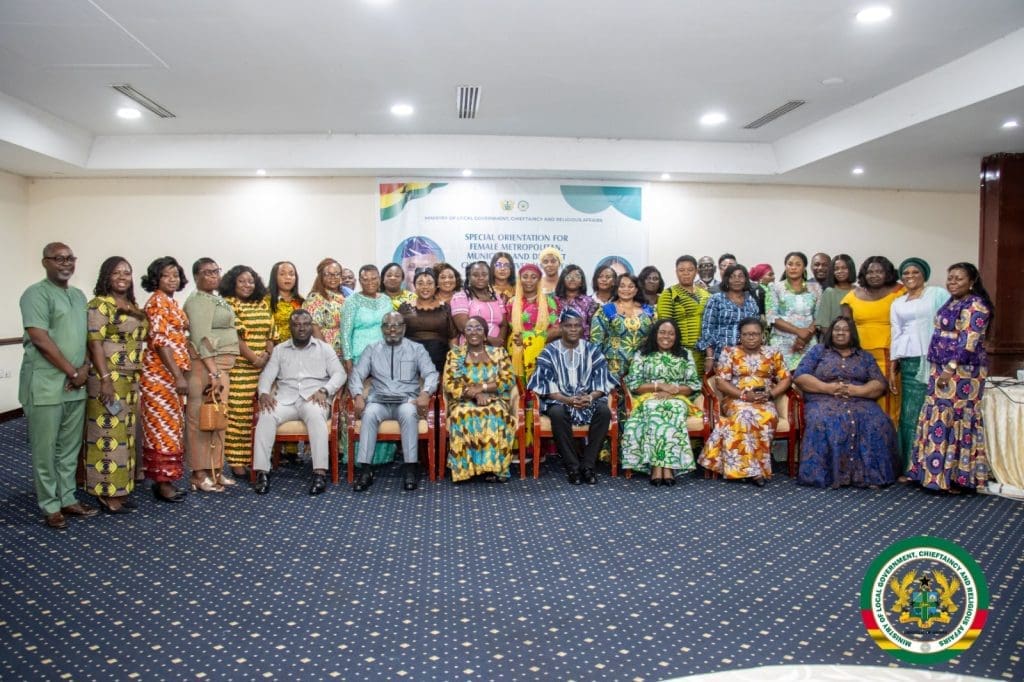
Beyond technical training, Sowah underscored the importance of mentorship and peer support, noting that strong networks among female leaders can play a vital role in sustaining success and navigating the demands of public office.
She encouraged participants to build lasting relationships that would enable knowledge sharing and mutual support beyond the programme.
Looking ahead, she called for intensified efforts to encourage more women, particularly the youth, to participate in local governance.
With the 2027 District Level Elections approaching, she urged stakeholders to create pathways that would enable more women to contest and win leadership positions.
“We must intentionally create pathways for more women to enter leadership, not just through appointments, but through active participation in the electoral process,” she said.
Sowah also reiterated that achieving gender equality in governance requires a collective effort, calling on government institutions, civil society organisations and communities to support women in leadership roles.
The programme brought together female MMDCEs from across the country to engage with experts and resource persons, fostering practical learning and experience sharing aimed at improving governance outcomes.
She expressed optimism that such initiatives would serve as a catalyst for transformative leadership, enabling female MMDCEs to make meaningful impact in their districts while contributing to a more inclusive, accountable and development-oriented system of governance in Ghana.