53,415 girls affected by teenage pregnancies in seven months

Teenage pregnancy
Ghana recorded 53,415 adolescent pregnancies between January and July 2026, with concerns mounting over the consequences for girls’ education, mental well-being and long-term career opportunities.
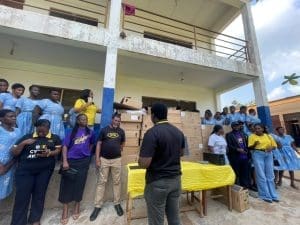
The figures were disclosed by a counselling psychologist and member of the CAMFED Association, Perpetual Opata, during the 2026 International Day of the Girl Child celebration at the Madina Technical Institute in Accra.
Held under the theme, “Skills Over Early Marriage: Unlocking Girls’ Potential Through TVET,” the event highlighted the importance of equipping girls with technical and vocational skills to secure their futures.
Ms Opata explained that the figures covered adolescents who reported to health facilities, suggesting that the actual number of pregnancies could be higher because some affected girls might not have accessed healthcare services.
According to her, the Savannah Region recorded the highest proportion of adolescent pregnancies at 25.9 per cent, while Greater Accra had the lowest at six per cent.
She warned that teenage pregnancy could have far-reaching emotional and psychological consequences, including fear, shame, social isolation and, in some cases, severe mental health challenges.
Beyond the psychological effects, she said teenage pregnancy could interrupt girls’ education and undermine their career aspirations.
She noted that returning to school after childbirth remained difficult for many girls due to childcare responsibilities, financial challenges and stigma.
TVET skills key to tackling early marriage
The Director-General of the Ghana TVET Service, Dr Eric Kofi Adzore, urged stakeholders to invest in technical and vocational education as a pathway to girls’ financial independence and a means of tackling child marriage.
He observed that poverty, inadequate access to education and harmful social expectations continued to push some girls into early marriages, often at the expense of their education.
Dr Adzore called on parents, traditional authorities and religious leaders to speak against practices that encouraged child marriage.
He further urged schools to create safe and inclusive environments where girls could pursue their education without fear or discrimination.
GIZ calls for stronger protection of girls
The Special Guest of Honour and Programme Component Head at GIZ, Patricia Bossoh, emphasised the need for stronger safeguarding measures in technical and vocational institutions to protect girls from abuse, harassment and discrimination.
She said girls needed safe learning environments to complete their training, develop practical skills and pursue their preferred careers.
Citing allegations involving the headmaster of Obuasi Senior High Technical School, Ms Bossoh said the issue demonstrated the importance of establishing effective safeguarding systems across educational institutions.
She maintained that the allegations must be handled through due process.
“A girl should never have to choose between her education and her safety,” she said.
Ms Bossoh also called on parents, education authorities and employers to ensure that girls enjoyed equal opportunities to acquire skills and access employment.
Madina Technical Institute principal urges parents to act
The Principal of the Madina Technical Institute, Vivian Azumah, urged parents and guardians to encourage girls to complete their technical and vocational education before considering marriage.
She warned that early marriage could deny girls the opportunity to acquire employable skills, achieve financial independence and contribute to national development.