46.7kg cocaine from Ghana seized in Lebanon
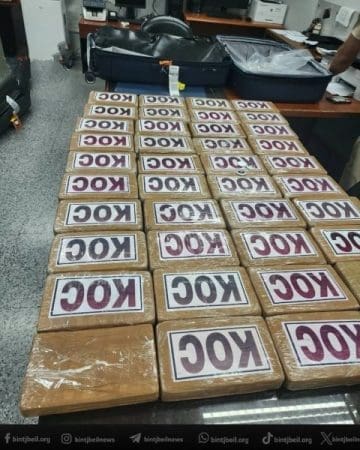
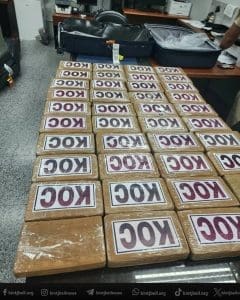
Lebanese customs authorities have arrested a Syrian national at Beirut’s Rafic Hariri International Airport after intercepting 46.7 kilogrammes of cocaine concealed in his luggage on a flight from Accra, in what authorities describe as the largest cocaine seizure in the airport’s history.
The suspect, identified only by the initials B.H., arrived from Ghana aboard Middle East Airlines flight MEA 576 on the night of Saturday, October 31, 2026.
The operation, conducted jointly by customs authorities and the General Security Directorate, followed surveillance and intelligence sharing that led to a detailed search of the traveller’s luggage and the discovery of 40 packages of cocaine.
The drugs had been concealed using sophisticated packaging and insulation methods designed to evade detection by scanning equipment.
Electronic tracking devices were also found inside the packages, suggesting a carefully coordinated operation.
Lebanese authorities said the suspect had been under surveillance from the time of his departure until his arrival in Beirut.
Initial investigations indicated that he had entered Lebanon through the Al-Masnaa border crossing weeks earlier before travelling to Accra and returning with the consignment.
Investigators believe the journey was part of an organised mission to transport and deliver the drugs.
The suspect has been arrested, while the cocaine and other items have been secured.
Customs authorities, working with General Security under judicial supervision, are pursuing investigations to identify the intended recipient and uncover the networks responsible for the shipment’s export, transportation and handling.
The seizure adds to mounting concerns over Ghana’s growing appearance in major international drug trafficking cases, with large consignments of cocaine and other narcotics intercepted in foreign destinations after originating from the country.
Ghana’s growing cocaine crisis
Ghana’s reputation as a destination for legitimate trade and investment is facing increasing pressure as the country features in a series of high-value international narcotics seizures.
The cases are raising questions about the country’s vulnerability to international drug cartels and the role of local facilitators in moving illicit consignments across borders.
Between 2025 and 2026, several major seizures involving drugs intercepted in Ghana and abroad have exposed the scale of the trafficking threat.
Among the cases cited is the seizure in Ghana in March 2025 of cocaine estimated to be worth US$350 million.
In 2026, Australian authorities intercepted a methamphetamine consignment valued at approximately US$208 million, while French authorities seized cocaine worth nearly US$261.45 million in a shipment originating from Ghana.
A separate report from the Netherlands also indicated that customs officials seized nearly 4,500 kilogrammes of cocaine, valued at about US$500 million, concealed in a shipment of wood from Ghana at the Port of Amsterdam.
Taken together, the seizures point to the scale of the illicit drug trade linked to Ghana and the potential reach of the networks involved.
They also raise concerns about the effectiveness of controls at the country’s ports, airports and other points of departure.
The latest Beirut seizure, involving 46.7 kilogrammes of cocaine concealed with sophisticated packaging and electronic tracking devices, further illustrates the planning and international reach behind some of these operations.
Beyond the quantities intercepted and their estimated street values, the more troubling question is how many consignments may have passed through Ghana undetected.
The repeated appearance of Ghana-origin shipments in major international drug seizures demands a comprehensive response involving intelligence-led enforcement, stronger border surveillance and closer cooperation with international security agencies.
Protecting Ghana’s standing as a trusted trading partner requires more than the interception of individual consignments.
It requires authorities to identify and dismantle the trafficking networks, expose local collaborators and close the loopholes that allow the country to be exploited as a transit point for the international narcotics trade.