
10 profitable farming businesses you can start with GH¢5,000
Kojo Emmanuel August 7, 2026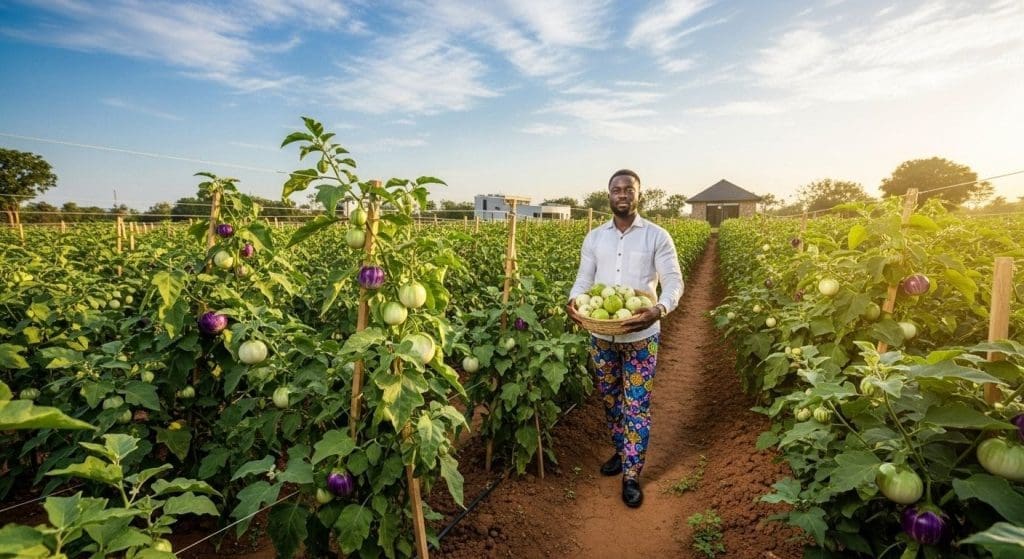
Farming
Farming remains one of the most promising ways to create income in Ghana, especially as demand for food continues to rise. While many people assume starting a farm requires huge capital, there are several agricultural businesses that can be launched with a modest budget.
With careful planning, proper management, and access to the right market, GH¢5,000 can help you start a small-scale farming venture and gradually expand it into a profitable business.
Here are 10 farming businesses you can start with about GH¢5,000.
1. Vegetable farming
Vegetable farming is one of the quickest ways to generate income from agriculture because many vegetables mature within a short period.
With GH¢5,000, you can start growing crops such as tomatoes, pepper, cabbage, lettuce, okra, and garden eggs on a small piece of land. The money can cover seeds, fertiliser, pesticides, labour, and irrigation support.
Vegetables have strong demand from households, restaurants, hotels, and market traders. With good farming practices, some crops can be harvested within a few weeks or months, allowing farmers to reinvest quickly.
2. Snail farming
Snail farming requires relatively little space and can be started with limited capital. It is also considered a low-maintenance agricultural business compared with many livestock ventures.
A GH¢5,000 budget can be used to construct a simple snail housing system, purchase starter snails, provide feed, and maintain the farm.
Snail meat is popular among many consumers in Ghana, and demand from restaurants and individuals creates opportunities for small-scale farmers.
3. Mushroom farming
Mushroom farming is an emerging business opportunity in Ghana because it requires little land and can be done indoors.
The initial investment can cover a growing room setup, mushroom bags, spores or spawn, and basic equipment.
Mushrooms have a growing market among health-conscious consumers, supermarkets, restaurants, and food processors. Because they have a short production cycle, farmers can produce several batches within a year.
4. Poultry farming (Small-Scale)
Starting a poultry farm does not always require thousands of birds. With GH¢5,000, you can begin with a small number of chickens and gradually expand.
The money can be used to buy chicks, feed, vaccines, and construct a simple poultry shelter.
You can focus on either broilers for meat production or layers for egg production. Eggs and chicken meat have consistent demand across Ghana, making poultry one of the most popular agricultural businesses.
5. Fish Farming (Catfish or Tilapia)
Fish farming is another profitable venture that can be started on a small scale. A farmer can use a tarpaulin pond, concrete tank, or other affordable systems.
With GH¢5,000, you can set up a small pond, buy fingerlings, purchase feed, and manage basic farm operations.
Catfish and tilapia are widely consumed in Ghana, and farmers can sell directly to households, chop bars, restaurants, and fish sellers.
6. Beekeeping
Beekeeping is a business that requires limited land and can provide multiple income streams.
With an initial investment of GH¢5,000, you can purchase beehives, protective equipment, and establish a small apiary.
Apart from honey, beekeepers can earn income from beeswax and other related products. Honey also has demand from consumers looking for natural sweeteners and health products.
7. Rabbit farming
Rabbit farming is a fast-growing livestock business because rabbits reproduce quickly and require less space compared with larger animals.
A small budget can cover the purchase of breeding rabbits, cages, feed, and basic farm management.
Rabbit meat has nutritional value and can be marketed to households, restaurants, and hotels. The business can also expand through the sale of breeding stock.
8. Plantain farming
Plantain farming can be started on a small scale, especially for individuals who have access to farmland.
GH¢5,000 can help cover the purchase of suckers, land preparation, planting, and maintenance activities.
Plantain is a staple food in Ghana and has strong demand throughout the year. Farmers can earn income from selling fresh plantain and processed products such as chips.
9. Grasscutter farming
Grasscutter farming, also known as cane rat farming, is a niche livestock business with growing interest in Ghana.
The startup cost can cover cages, breeding animals, and feed.
Because grasscutter meat is considered a delicacy, farmers can sell to restaurants, chop bars, and individual consumers willing to pay premium prices.
10. Fish feed production and Agribusiness services
Instead of producing food directly, some farmers can enter businesses that support agriculture.
With GH¢5,000, you can start producing simple animal feed, selling farm inputs, or providing services such as seedling production.
These businesses benefit from the growth of farming activities because farmers constantly need inputs and support services.
Tips for making your GH¢5,000 farming investment profitable
Starting a farm with limited capital requires discipline and good planning. Consider these important steps:
- Start small and expand gradually: Avoid investing all your money without testing the market.
- Choose a business with strong demand: Study what people in your area buy regularly.
- Learn before investing: Farming requires knowledge of disease control, feeding, and management.
- Keep proper records: Track expenses, sales, and profits.
- Find buyers early: A good market is just as important as production.
- Reinvest profits: Use early earnings to increase production capacity.
Conclusion
GH¢5,000 may not be enough to establish a large commercial farm, but it can provide a strong foundation for a profitable agricultural business. From vegetable farming and poultry to fish farming and snail production, there are several opportunities for entrepreneurs willing to start small and grow.
With commitment, proper management, and access to markets, a small farming project can become a reliable source of income and a pathway to building a successful agricultural enterprise in Ghana.