
The Nipah virus has drawn renewed global attention after the World Health Organisation (WHO) listed it among diseases with epidemic and pandemic potential. Although outbreaks remain rare, health experts warn that the virus’s high fatality rate and ability to spread between humans make it a serious public health concern.
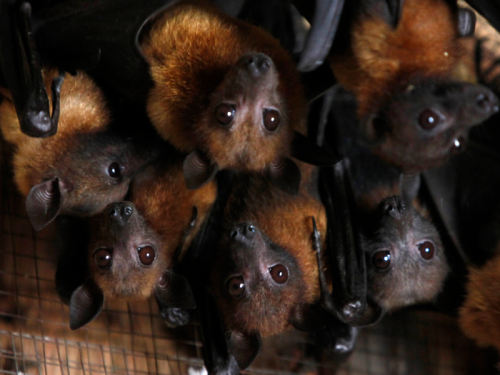
First identified in 1998 during an outbreak in Malaysia, the Nipah virus is carried naturally by fruit bats, also known as flying foxes. Humans can become infected through contact with infected animals, consumption of food contaminated by bats, or close contact with an infected person.


Human-to-human transmission has been recorded in several outbreaks, particularly among family members and healthcare workers.
Early symptoms of Nipah virus infection include fever, headache, muscle pain, vomiting, and sore throat. In severe cases, the disease can lead to brain inflammation (encephalitis), confusion, seizures, and respiratory distress.
The illness can progress rapidly, and fatality rates in past outbreaks have ranged from 40 to over 70 per cent, depending on the healthcare response and early detection.
There is currently no specific treatment or approved vaccine for the Nipah virus. Medical care focuses on managing symptoms and providing supportive treatment, such as respiratory support and intensive care when needed.
Because of this, prevention remains the most effective defense.
Human outbreaks of Nipah virus have been reported only in South and South-East Asia, largely in rural or semi-rural settings. Countries that have recorded outbreaks include Bangladesh, where cases have occurred almost every year since 2001, India, including repeated outbreaks in Kerala since 2018 and a current outbreak in West Bengal, as well as Malaysia, Singapore and the Philippines.
While antibodies to the virus have been detected in bats across parts of Asia, Ghana and Madagascar, no human outbreaks have been recorded outside South and South-East Asia.
Health authorities advise avoiding fruits that may have been contaminated by bats, not drinking raw palm sap, practising good hand hygiene, and limiting close contact with infected individuals.
Hospitals are also encouraged to maintain strict infection-prevention measures to reduce the risk of spread.
The WHO’s warning does not mean a global outbreak is imminent, but it highlights the need for preparedness, surveillance, and research.
Experts stress that early reporting, public awareness, and strong health systems are critical to preventing local outbreaks from becoming international health emergencies.
As global travel increases and human-animal contact continues to rise, health officials emphasise that vigilance and prevention are key to keeping the Nipah virus under control.