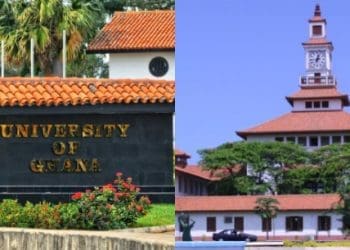
Ghana has been listed among 75 countries whose citizens will face an indefinite suspension of immigrant visa processing to the United States, following a fresh expansion of President Donald Trump’s administration’s hardline immigration policies.
The suspension, which takes effect from January 21, applies specifically to immigrant visas — including those seeking permanent residency — but does not affect non-immigrant visas such as tourist, business, student or short-term travel permits, which account for the majority of U.S. visa applications globally.

According to the U.S. State Department, the decision is part of a broader effort by the Trump administration to tighten immigration controls and prevent the entry of foreign nationals deemed likely to depend on public assistance once admitted into the United States.
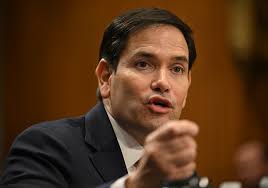
In a directive issued to U.S. embassies and consulates worldwide, Secretary of State Marco Rubio instructed consular officers to halt immigrant visa processing for the affected countries while Washington reassesses its immigration screening procedures.
The move is anchored in guidance first issued in November, which expanded scrutiny of applicants who might become “public charges” — a term used in U.S. immigration law to describe individuals likely to rely on government welfare or public benefits.
“The Trump administration is bringing an end to the abuse of America’s immigration system by those who would extract wealth from the American people,” the State Department said in a statement.
“Immigrant visa processing from these 75 countries will be paused while the State Department reassesses immigration processing procedures to prevent the entry of foreign nationals who would take welfare and public benefits.”
Ghana joins several African, Asian and Latin American countries already impacted by earlier visa restrictions and expanded travel bans under the Trump administration. The latest suspension deepens those measures and signals a continued tightening of U.S. immigration policy.
While U.S. law has long required immigrants seeking permanent residency to demonstrate financial self-sufficiency, the Trump administration during its first term broadened the range of benefit programmes that could disqualify applicants.
The new guidance goes even further, significantly widening the scope of assessment used by consular officials.
Under the revised rules, visa officers are required to examine a wide range of personal factors, including applicants’ age, health status, family situation, financial resources, education level, professional skills and any prior use of public assistance — regardless of country of origin.
Officials are also directed to assess applicants’ English-language proficiency and may conduct interviews in English as part of the evaluation process.
Immigrant visa applicants are already subject to extensive screening, including medical examinations by embassy-approved physicians.
These checks cover communicable diseases such as tuberculosis, vaccination requirements, and disclosures related to drug or alcohol use, mental health history and violent behaviour.
The new directive adds further layers of scrutiny aimed at determining long-term financial independence.
Despite the suspension of immigrant visa processing, demand for non-immigrant visas is expected to rise sharply in the coming years, particularly ahead of the 2026 FIFA World Cup and the 2028 Olympic Games, both of which the United States will host or co-host.
U.S. officials say these temporary visa categories will continue to be processed under existing procedures.
The countries affected by the suspension include Ghana, Nigeria, Egypt, Ethiopia, Kenya’s regional neighbours such as Tanzania and Uganda, as well as several Caribbean, Middle Eastern, Asian and Eastern European nations.
For Ghanaian applicants, the development is likely to affect families seeking reunification, professionals pursuing permanent relocation, and diversity visa lottery winners, even as travel for tourism, business and education remains unaffected for now.
The U.S. government has not provided a timeline for when the reassessment will be completed, raising uncertainty for thousands of prospective immigrants from Ghana and the other affected countries.
The countries affected by the suspension announced on Wednesday are:
• Afghanistan
• Albania
• Algeria
• Antigua and Barbuda
• Armenia
• Azerbaijan
• Bahamas
• Bangladesh
• Barbados
• Belarus
• Belize
• Bhutan
• Bosnia
• Brazil
• Cambodia
• Cameroon
• Cape Verde
• Colombia
• Congo
• Cuba
• Dominica
• Egypt
• Eritrea
• Ethiopia
• Fiji
• Gambia
• Georgia
• Ghana
• Grenada
• Guatemala
• Guinea
• Haiti
• Iran
• Iraq
• Ivory Coast
• Jamaica
• Jordan
• Kazakhstan
• Kosovo
• Kuwait
• Kyrgyzstan
• Laos
• Lebanon
• Liberia
• Libya
• Macedonia
• Moldova
• Mongolia
• Montenegro
• Morocco
• Myanmar
• Nepal
• Nicaragua
• Nigeria
• Pakistan
• Republic of the Congo
• Russia
• Rwanda
• Saint Kitts and Nevis
• Saint Lucia
• Saint Vincent and the Grenadines
• Senegal
• Sierra Leone
• Somalia
• South Sudan
• Sudan
• Syria
• Tanzania
• Thailand
• Togo
• Tunisia
• Uganda
• Uruguay
• Uzbekistan
• Yemen