
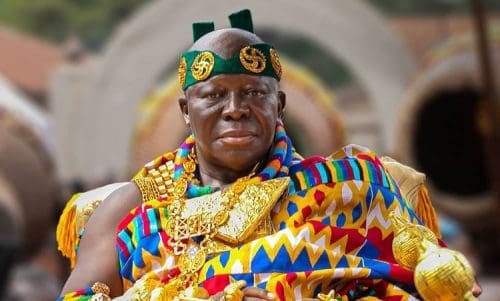
The Asantehene, Otumfuo Osei Tutu II, has concluded his final mediation session on the Bawku chieftaincy conflict on December 1, 2025, at the Manhyia Palace in Kumasi, marking the culmination of a high-stakes diplomatic effort aimed at ending decades of violence between the Kusasi and Mamprusi communities.
The sessions, scheduled for November 30 and December 1, 2025, were described by both the Manhyia Palace and the National Peace Council (NPC) as the “concluding session” of the mediation initiative, representing the most promising breakthrough in years.


The Asantehene’s involvement, which began in earnest following a resurgence of violence that claimed multiple lives, including security personnel, has been widely praised as a credible path toward lasting peace.
The Bawku conflict, rooted in colonial-era disputes over land and chieftaincy between the Kusasi and Mamprusi, has led to hundreds of deaths, mass displacement, and the collapse of local institutions, including businesses, courts, and schools.
The Asantehene’s mediation process included multiple closed-door meetings, alternating between separate and joint sessions, with a notable outcome being the reaffirmation of loyalty by six sub-chiefs to the Kusasi Traditional Council.
The NPC and the Manhyia Palace commended the cooperation of both factions and urged restraint to preserve the progress made, emphasising that a successful resolution would significantly strengthen national cohesion and Ghana’s reputation for peaceful conflict resolution.
This effort builds on the Asantehene’s proven track record, particularly his role in resolving the Dagbon conflict, which has enhanced expectations for a durable peace in Bawku.
The Bawku conflict, rooted in disputes between the Kusasi and Mamprusi ethnic groups over the rightful occupant of the Bawku skin, has erupted intermittently since the 1950s.
While the Kusasi regard the Bawku skin as historically theirs—backed by government recognition of the Bawku Naba, or paramount chief—the Mamprusi have long challenged this status, citing precolonial links and questioning the legitimacy of Kusasi rulership.
The rivalry has led to multiple outbreaks of violence, particularly since the early 2000s.
Several peace accords, including state-led interventions and national security deployments, have failed to yield lasting peace. In recent years, violent clashes have claimed lives, displaced residents, and left a heavy security presence in the area.
Curfews, bans on motorbike use, and sporadic military patrols have become regular features of life in Bawku, but they have done little to resolve the underlying grievances.