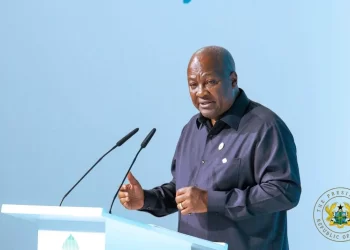

Majority Chief Whip Rockson-Nelson Dafeamekpor has said the controversial LGBTQ bill would face no delay under a future John Mahama presidency, insisting presidential assent would be immediate once the legislation is laid before him.
Speaking on Joy News on Tuesday, February 3, 2026, he said the bill’s failure in the past had nothing to do with Parliament.

“I am not the one who will sign… let me explain,” the South Dayi MP stated, recalling how the bill was driven through Parliament with “passion” by himself and Sam George and duly passed.
He said the real obstacle emerged after the legislative process was completed.
“The President refused to assent to it. That was what killed that bill,” he stated.
Dafeamekpor maintained that the refusal raised troubling constitutional questions, arguing that Parliament had already discharged its mandate.
According to him, the bill had effectively become an Act of Parliament and was merely awaiting assent, casting doubt on the legality of its collapse.
“So constitutionally speaking, what is the fate of a bill that was no longer a bill that had become an Act of Parliament, but pending assent?” he asked.
He said the issue should ideally have been resolved at the Supreme Court, since a bill, in his interpretation, only expires with the life of a Parliament.
“But this one, it wasn’t a bill. It was an Act of Parliament,” he said.
He explained that pursuing litigation was set aside due to practical realities, including the financial cost, time, and resources required after Parliament had already invested heavily in the process.
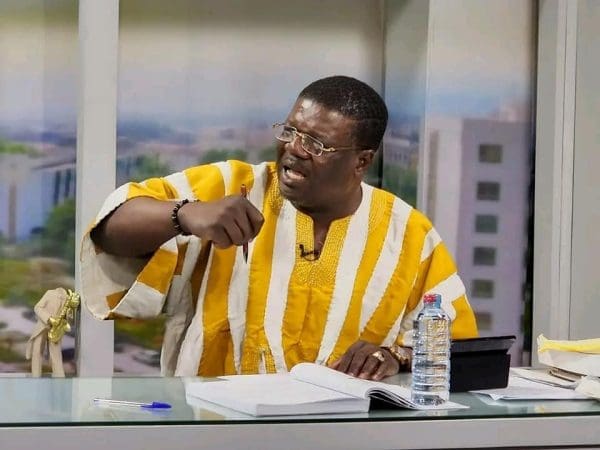
“We had ventilated it, because you see, in doing these things, it costs money and resources and time and everything,” he said.
Despite the earlier setback, Mr Dafeamekpor said there is no retreat on the issue and confirmed the bill would be reintroduced.
When pressed on whether Parliament would pass it again, he pointed to what he described as firm presidential readiness.
“I am saying the person who will sign says, ‘My pen is ready. The ink is dripping’. If you bring it today, I’ll sign it the next minute,” he said.
Asked plainly whether the bill would be brought back, he replied, “We’ll bring it.”
Dafeamekpor added that faith-based institutions across the country have already been assured, noting that both Christian and Muslim groups have been actively engaged.
“We want to assure the nation and all the faith-based institutions and religious bodies… that this bill will pass, just like we did a year or two ago,” he said.
He emphasised that the defining change now lies at the presidency.
“But the difference is that the President, before we even kick start that process, is in readiness to sign,” he added.
During the 2024 campaign and in interviews, Mahama emphasised that whether he would sign the anti-LGBTQ bill depends on its content. “It depends on what is in it,” he said.
After taking office, Mahama argued the anti-LGBTQ bill should be reintroduced as a government‑sponsored bill, not as a private member’s bill. He said this would allow for broader consultation and ownership.
In a meeting with Catholic Bishops in November 2025, Mahama suggested that Ghana may not even need the bill to enforce “family values.”
He proposed that values could be taught through the educational curriculum, reducing the need for legislating morality.