How to start a snail farm with GH₵1,000 in Ghana
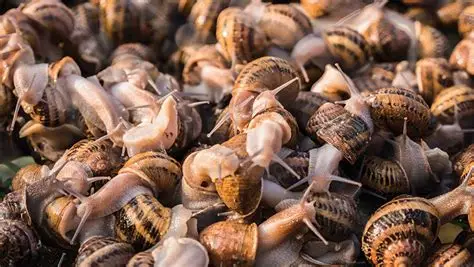
Snail farming is an agricultural business that Ghanaians can start on a small scale without purchasing large amounts of land or expensive equipment. With proper planning, suitable housing, good feeding practices, and patience, you can begin raising snails with a budget of GH₵1,000 and gradually expand your farm.
Snails are used in many Ghanaian dishes, and demand can come from households, restaurants, food vendors, and market traders. However, success depends on producing healthy snails, controlling production costs, and finding reliable buyers.
This guide explains how to start a snail farm with GH₵1,000 in Ghana, including the materials you need, how to build a snail pen, what to feed your snails, how to manage breeding, and how to sell your produce.
1. Is GH₵1,000 enough to start snail farming in Ghana?
Yes, GH₵1,000 can be enough to start a small snail farm if you already have access to a suitable space and use affordable, locally available materials.
At this budget level, your goal should be to establish a small breeding unit, learn proper snail management, and reinvest your earnings as the farm grows. You should not expect to establish a large commercial snail farm with this amount.
Snail farming is suitable for beginners because it can be started in a backyard, a shaded compound, or a small piece of land. Snails generally require less daily attention than some other livestock, although they still need regular feeding, moisture control, sanitation, and protection from predators.
Your initial success will depend on three important factors:
- Purchasing healthy breeding snails from a reliable source.
- Building a secure enclosure with the right environmental conditions.
- Managing your budget carefully instead of spending too much on housing or equipment.
2. Choose the right snail species
Before starting your farm, decide which snail species is suitable for your location and farming goals.
In Ghana, commonly farmed African land snails include the giant African land snail species Achatina achatina and Archachatina marginata.
Achatina achatina
This species is commonly known as the Ghana tiger snail. It is a large African land snail that can be suitable for farming when the right environmental conditions and management practices are provided.
Archachatina marginata
This is another large African land snail raised for food in parts of West Africa. It can be a good option for small-scale farmers who can obtain healthy breeding stock and meet its housing and feeding requirements.
Which species should you choose?
Choose the species that is locally available, suited to your environment, and accepted by your intended buyers. Ask an experienced snail farmer or an agricultural extension officer for advice before buying.
Purchase snails from a reputable breeder rather than collecting unknown quantities from the wild. Avoid introducing non-native or potentially invasive snail species into your environment.
3. Prepare a GH₵1,000 snail farming budget
One of the biggest mistakes beginners make is spending most of their money on buying snails and leaving nothing for housing, feeding, or maintenance.
The following is an illustrative startup budget. These are planning estimates, not verified current market prices in Ghana. Obtain local quotations before spending your money.
| Item | Estimated cost |
|---|---|
| Breeding snails | GH₵350 |
| Simple snail pen and protective materials | GH₵250 |
| Suitable soil and organic matter | GH₵100 |
| Initial feed and calcium sources | GH₵100 |
| Water containers and basic tools | GH₵50 |
| Transportation and miscellaneous costs | GH₵75 |
| Emergency reserve | GH₵75 |
| Total | GH₵1,000 |
This budget assumes that you already have access to land or a backyard. If you need to rent land, construct an expensive building, or purchase large quantities of equipment, GH₵1,000 may not be sufficient.
The price of breeding snails is particularly important. Depending on size, species, location, and seller, GH₵350 might buy fewer or more snails than expected. Do not sacrifice the health of your breeding stock simply to meet a target number.
Start with the number of healthy snails your budget can genuinely support.
4. Find a suitable location for your snail farm
Snails thrive in environments that provide adequate moisture, shade, protection, and suitable temperatures.
Choose a location with the following characteristics:
- Shade: The area should be protected from direct sunlight for most of the day.
- Moisture: The soil should retain some moisture without becoming waterlogged.
- Drainage: Rainwater should drain away easily to prevent flooding.
- Security: The farm should be protected from thieves, rodents, birds, lizards, ants, and other predators.
- Accessibility: You should be able to reach the farm easily for feeding, cleaning, and inspection.
A backyard or shaded corner of your compound can be sufficient for a small starter farm.
Avoid placing your snail pen in a location where pesticides, herbicides, contaminated runoff, or chemical waste may reach the snails.
In Ghana, heavy rainfall can cause flooding and escape problems, while hot, dry weather can cause snails to become inactive. Your farm should be designed to manage both conditions.
5. Build a low-cost snail pen
A secure snail pen is one of the most important investments you will make. You do not need an expensive concrete building to begin.
For a small farm, you can consider a wooden enclosure, a protected box, or a simple pen made from affordable materials. The enclosure must be strong enough to keep the snails inside and predators outside.
Materials you may need
- Wooden planks or another durable frame material.
- Fine mesh or suitable protective covering.
- A secure lid or cover.
- Suitable soil and organic matter.
- A shallow water container, where appropriate.
- A shaded covering.
Make sure the enclosure has sufficient ventilation without creating excessive exposure to sunlight or dry wind. The lid should be secure because snails can climb and escape.
Prepare the soil
Use clean, pesticide-free soil that retains moisture and allows the snails to burrow. Avoid heavily compacted soil, contaminated soil, and material that may contain harmful chemicals.
The soil should support natural behaviour, including hiding, resting, and egg-laying. Depending on the species and local soil conditions, the soil may need adjustment to improve its structure and calcium availability.
Keep the soil moist, but never allow it to remain flooded or foul-smelling.
Protect the enclosure
Check the pen daily for gaps, damaged mesh, standing water, and signs of predators. A small hole can allow several snails to escape.
Important: Do not overcrowd the enclosure. Excessive stocking can increase stress, competition, poor hygiene, and mortality.
6. Buy healthy breeding snails
After preparing the pen, purchase healthy snails from a trusted breeder.
Your first stock should ideally include mature or nearly mature snails suitable for breeding. Buying only very small snails may delay the time before your farm begins producing eggs.
Before purchasing, inspect the snails for the following signs:
- Active movement under suitable moist conditions.
- Firm, intact shells without serious cracks.
- No obvious injuries or unusual swelling.
- No foul smell or signs of decomposition.
- Similarity to the species and size described by the seller.
Ask the seller about the species, age or maturity, feeding routine, breeding history, and source of the snails.
Snails are generally intersex people, meaning individuals have both male and female reproductive organs. However, they still need appropriate mating conditions, and reproductive performance varies with species, maturity, health, and the environment.
For a GH₵1,000 starter farm, it may be more sensible to purchase a smaller number of healthy, suitable breeders than a large number of weak or immature snails.
7. Feed your snails with affordable local foods
Feeding is one area where small-scale farmers can control costs. Many snails consume plant materials, including suitable leaves, fruits, and vegetables.
Potential feed materials include:
- Pawpaw leaves and fruit.
- Cocoyam leaves that are confirmed safe for the species being raised.
- Lettuce and other suitable leafy vegetables.
- Cucumber.
- Pumpkin and squash.
- Carrot.
- Other clean, pesticide-free plant materials recommended for your species.
Feed variety is useful, but not every plant is safe for snails. Verify unfamiliar feed materials before introducing them.
Give your snails calcium
Calcium is essential for shell development, growth, and reproduction. A calcium deficiency can contribute to poor shell quality.
Depending on local availability, suitable calcium sources may include properly prepared feed-grade calcium supplements or clean, appropriate calcium-rich materials recommended by an experienced snail farmer.
Do not assume that any household powder or crushed material is safe. Avoid contaminated eggshells, chemically treated materials, and sources that may contain harmful substances.
How often should you feed snails?
Inspect the enclosure daily and provide fresh food according to the number and size of snails. Remove spoiled leftovers before they attract pests or cause unpleasant smells.
Many snails are more active during cooler, humid periods, including the evening and night. You may find it convenient to provide fresh feed in the late afternoon or evening.
Always provide access to suitable moisture. Avoid deep water containers that could trap and drown small snails.
8. Maintain the right moisture and temperature
Environmental management is essential for healthy snail growth.
Snails can become inactive when conditions are too hot or dry. Excessive moisture, on the other hand, can encourage disease problems, foul soil, and mortality.
To manage the environment:
- Check soil moisture regularly.
- Lightly moisten the soil when necessary.
- Provide shade during hot periods.
- Ensure rainwater can drain away.
- Maintain ventilation.
- Avoid leaving the enclosure flooded.
- Inspect snails for unusual inactivity, injury, or death.
Do not rely on a fixed watering schedule without considering the weather and the condition of the soil. Water requirements will differ during Ghana’s rainy and dry seasons.
If the farm is in a particularly hot area, you may need additional shade and more frequent moisture checks.
9. Learn how snail breeding works
Breeding is what allows a snail farm to expand without repeatedly purchasing all its stock.
Once mature snails mate under suitable conditions, they may lay eggs in appropriate soil. The eggs require suitable moisture, temperature, and protection to develop.
How to manage snail eggs
- Inspect the soil carefully for eggs without disturbing it unnecessarily.
- Avoid crushing eggs during cleaning or handling.
- Maintain appropriate moisture without flooding the soil.
- Protect the eggs from ants and other predators.
- Follow species-specific guidance on incubation and handling.
Hatching time varies with species and environmental conditions, so avoid assuming that every batch will hatch at the same time.
Young snails require special care because they are vulnerable to drying, predators, poor nutrition, and rough handling.
Keep young snails in a protected nursery enclosure where you can monitor their feeding, growth, and survival.
Do not expect every egg to hatch or every hatchling to survive. Your business plan should allow for losses and variable growth rates.
10. How long does it take to make money from snail farming?
Snail farming is not usually a quick-return business. The time needed to sell marketable snails depends on the species, the size of the snails purchased, their age, feeding, environmental conditions, and the size preferred by buyers.
If you purchase mature breeders, you may obtain eggs sooner than if you start with juveniles. However, eggs and hatchlings still require time to develop into marketable snails.
Depending on the species and production conditions, reaching a desirable market size can take many months and sometimes longer than a year.
Use this early period to:
- Monitor growth and mortality.
- Keep records of feed expenses.
- Improve your housing and hygiene.
- Identify potential buyers.
- Learn which sizes and species attract the best demand.
Do not plan your finances around a guaranteed harvest date or assume that every snail will grow at the same rate.
11. How to sell your snails in Ghana
Before expanding your farm, investigate your local market. Potential buyers include:
- Market traders.
- Restaurants and chop bars.
- Food vendors.
- Households.
- Hotels and catering businesses.
- Other snail farmers who need breeding stock.
Visit nearby markets and ask sellers about the sizes, species, and quantities customers prefer. Find out whether buyers pay by individual snail, size category, or weight.
Speak to restaurants and food vendors before your first harvest. Ask what quality they require, how frequently they purchase snails, and whether they would consider buying from a local farmer.
Ways to improve your sales
Sell healthy, marketable snails: Buyers may reject damaged or undersized snails.
Build relationships with regular customers: Reliable buyers can make production planning easier.
Keep your snails clean: Follow safe handling practices and avoid contamination during storage and transportation.
Keep production records: Knowing your costs helps you negotiate prices without selling at a loss.
Expand gradually: Increase your breeding stock when you have evidence of demand and enough capacity to care for more snails.
You can also use WhatsApp, Facebook, and local farming groups to advertise your produce, provided you can supply the quantity and quality promised.
12. Can you make a profit from a GH₵1,000 snail farm?
Yes, a small snail farm can potentially become profitable, but profit is not guaranteed. It depends on survival rates, production time, selling prices, feed costs, labour, and the money spent on housing and maintenance.
Consider the following hypothetical example.
Suppose you eventually sell 100 marketable snails at an average price of GH₵10 each.
| Description | Amount |
|---|---|
| Sales revenue: 100 snails × GH₵10 | GH₵1,000 |
| Illustrative operating expenses | GH₵300 |
| Illustrative operating surplus | GH₵700 |
These figures are for illustration only. They are not verified market prices or a forecast of what your farm will earn.
The example excludes the initial GH₵1,000 investment, and the GH₵300 operating expense is an assumption rather than a measured cost. It also does not account for every possible cost, such as unpaid labour, equipment replacement, mortality, or the time required to raise the snails.
Therefore, GH₵700 in this example is not your net profit on the original investment. If your sales revenue is only GH₵500 or your expenses are higher, the financial result will be very different.
Before making a large investment, obtain actual local selling prices and calculate your costs using realistic production estimates.
13. Common mistakes to avoid in snail farming
Many beginner snail farmers lose money because of preventable management mistakes.
Overcrowding the pen
Too many snails in a small enclosure can increase stress, competition, and hygiene problems. Stock according to the species, size, and available space.
Allowing the soil to dry out
Dry conditions can cause snails to become inactive and may affect their health. Monitor moisture, especially during Ghana’s dry season.
Keeping the enclosure too wet
Excessive water and poor drainage can create unhealthy conditions. Aim for appropriate moisture rather than permanently saturated soil.
Feeding contaminated vegetables
Plant materials exposed to pesticides or other harmful chemicals can threaten the health of your snails. Use safe feed from reliable sources.
Ignoring predators
Ants, rodents, birds, and other animals can kill snails or destroy eggs. Inspect and secure the pen regularly.
Expecting immediate returns
Snail farming requires patience. Do not borrow money or commit to sales based on unrealistic growth and breeding assumptions.
Failing to find buyers
Producing snails is only part of the business. Market research should begin before the first harvest.
14. How to expand your snail farm after starting with GH₵1,000
Once you have established your starter farm, focus on improving survival, breeding, and sales before investing in a larger enclosure.
A practical expansion strategy is to:
- Keep detailed records of feeding, breeding, mortality, and expenses.
- Retain a suitable proportion of healthy snails for breeding.
- Sell marketable surplus snails to generate income.
- Reinvest some earnings in improved housing and additional breeding stock.
- Build relationships with regular buyers.
- Expand only when you can manage the additional stock properly.
As the farm grows, you may also benefit from advice from Ghana’s agricultural extension services or experienced commercial snail farmers.
Do not increase your stock simply because you have more eggs. Make sure you have enough space, suitable feed, labour, and market demand to support the additional animals.
Conclusion
Starting a snail farm with GH₵1,000 in Ghana is possible if you already have a suitable space and begin on a small scale. Your initial priorities should be healthy breeding snails, a secure low-cost enclosure, suitable soil, safe feed, adequate calcium, and consistent environmental management.
Snail farming can offer an opportunity to build an agricultural business gradually, but it requires patience, careful record-keeping, and a clear understanding of your market.
Start small, learn the needs of your chosen species, protect your stock, and reinvest carefully. With sound management and realistic expectations, you can build a foundation for expanding your snail farming business over time.
Frequently Asked Questions (FAQs)
1. Can I start snail farming with GH₵1,000 in Ghana?
Yes. GH₵1,000 may be sufficient for a small starter farm if you already have land or backyard space and use affordable materials. Your actual starting capacity will depend on local prices and the cost of healthy breeding snails.
2. How many snails can I buy with GH₵350?
The number depends on the species, size, maturity, location, and seller. Ask several breeders for quotations before deciding how many snails to purchase.
3. What do snails eat in Ghana?
Suitable feed can include pawpaw, cucumber, pumpkin, carrot, and other safe leafy vegetables and plant materials. Their diet should match the species and include a suitable calcium source.
4. How long does it take for snails to grow to market size?
It depends on the species, starting age, feeding, and environmental conditions. Marketable growth can take many months and may take longer than a year.
5. Is snail farming profitable in Ghana?
It can be profitable when production costs are controlled and demand is sufficient. However, actual results depend on survival, growth, selling prices, and the time required to raise marketable snails.
6. Do snails need water every day?
Snails need appropriate moisture, but the enclosure should not remain flooded. Check the soil regularly and adjust moisture management according to the weather and housing conditions.
7. Where can I sell snails in Ghana?
Potential customers include market traders, restaurants, chop bars, households, hotels, food vendors, and other snail farmers. Contact prospective buyers and confirm their requirements before expanding production.