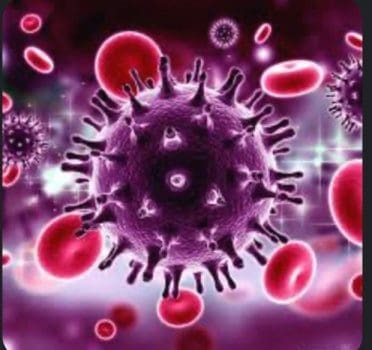
Back in the late 1990s and early 2000s, the message about HIV/AIDS seemed everywhere — on television, in schools, and during national events.
Many Ghanaians still recall the haunting images of people ravaged by the disease: walking skeletons, gaunt faces, flesh and muscle wasted away.

Teenagers who saw those images often shuddered at the thought of sex forever. For some, the shock was so profound that even instincts disappeared for a time.
Now, decades later, that shock, and perhaps the caution it brought, has largely vanished. The powerful public-health campaigns that once dominated airwaves and school halls are gone, replaced by quiet streets and empty screens. And with them has gone a certain sense of urgency.
A brief timeline of HIV/AIDS
- The first cases of what would later be called AIDS were clinically reported in June 1981.
- In 1983, scientists at the Institut Pasteur in France isolated a new retrovirus, at first called LAV, identified as the likely cause.
- By 1984, U.S. scientists confirmed that this virus caused AIDS.
- Marking a milestone in diagnosis, the first commercial blood test for HIV was licensed in 1985, making detection and prevention through blood-supply screening possible worldwide.
In the decades that followed, awareness campaigns grew. On television, radio, in schools, and through community outreach. For many young people in Ghana at the turn of the millennium, hearing “don’t have risky sex, use protection” was unavoidable. It left an imprint.
The Danger of Silence: What Today’s Numbers Tell Us
But silence can be dangerous. Recent data from the Ghana AIDS Commission (GAC) show that HIV is very much still with us:
- In 2024, Ghana recorded 15,290 new HIV infections and 12,614 AIDS-related deaths.
- Currently, 334,721 people in Ghana are living with HIV.
- That means roughly 42 new infections per day, on average.
- Of the adults (aged 15–49), the national HIV prevalence is estimated at 1.49%.
These numbers should serve as a wake-up call. Far from being a conquered foe, HIV remains active, affecting individuals, families, and communities. Especially youth and young adults engaging in unprotected or risky sexual practices.
From Loud Campaigns to Quiet Complacency: What Changed?
In the past, campaigns were loud, direct, and unavoidable. TV adverts, radio jingles, poster campaigns in schools and universities, concerts, and public-service announcements; all aimed at making HIV real in the minds of young people. I was part of PPAG to help create awareness. The fear was part of the message, and it worked: for many, sex became something to avoid or approach with caution.
Today, those campaigns have dwindled. The screens are quiet. Schools do less sensitisation. The caution and fear that once shaped behaviour, especially among teens and young adults, have faded, as fewer people have firsthand experience with terminal AIDS (thanks to better treatment).
For generations growing up now, HIV may seem like a disease of the past; More a headline than a real threat. And that perception, unfortunately, may be contributing to lower condom use and rising infections.
What This Means, And Why We Should Be Worried
- Without visible reminders of suffering, death, and caution, many young people may underestimate the risk of HIV.
- With rising complacency, condom usage may drop.
- As more people live with HIV (under treatment), the disease becomes less visible, but not less dangerous.
- And without renewed public-health efforts, the epidemic risks creeping back, quietly and steadily.
At the end of the day, life in Ghana is already heavy: many people struggle with work, family, bills, and daily survival. Adding a lifelong battle with HIV, “a disease still incurable,” is a burden few can afford.
As one wise phrase in Ga puts it: “Kaa tswa raw by heart” — literally, “don’t have sex raw.” In other words: Be careful. Be smart. Protect yourself. Because the virus didn’t disappear, only the campaign did
A Call for Renewed Awareness and Action
To prevent HIV from resurging, Ghana, through its Ministry of Health, the Ghana AIDS Commission, NGOs, media houses, and community organisations, must revive HIV awareness with urgency and creativity:
. Launch new multimedia campaigns (TV, radio, social media, billboards) to make HIV “visible” again, including real stories (anonymous, respectful) from people living with HIV or those whose lives have been affected.
. Embed comprehensive sexual health education in schools and universities, not as occasional lectures, but a regular, age-appropriate, stigma-free curriculum.
. Promote and expand condom distribution and access, especially for youth and vulnerable groups, through pharmacies, community centres, and outreach programmes.
. Encourage regular HIV testing and self-testing, and destigmatise the act of knowing one’s status.
. Mobilise community engagement, churches, youth clubs, workplaces, and social groups to talk openly about HIV, prevention, treatment, and support.
. Target resources where they matter most, especially in regions with high infection rates (like Greater Accra, Ashanti, and Eastern), and among young people and women.
Let us remember: awareness alone does not save lives — action does. But for action to take root, the drumbeat of awareness must resume. And only then can we ensure that young people growing up today are truly informed, cautious, and protected.
By ELAINE ALEXIS ATTOH