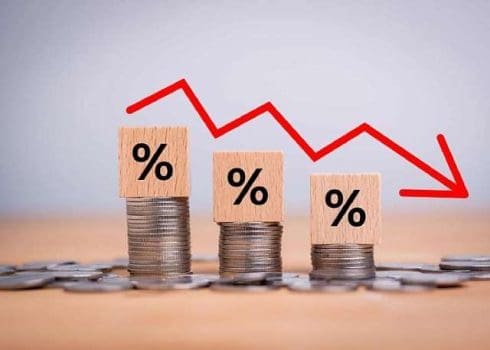
Ghana’s inflation rate dropped to 6.3% in November 2025, the lowest level recorded since the 2021 rebasing of the Consumer Price Index (CPI).
This marks eleven consecutive months of decline, strengthening the country’s ongoing disinflation trend.


Announcing the figures in Accra, Government Statistician Dr Alhassan Iddrisu said the steady fall in inflation reflects broad economic stabilisation.
According to him, easing price pressures across both food and non-food categories, improved domestic supply, reduced fuel-related costs, and a stable exchange rate all contributed to the decline.
Food inflation experienced one of the most significant drops, falling from 9.5% in October to 6.6% in November, boosted by lower prices for vegetables, tubers, fish and fruits. Month-on-month food inflation inched up to 1.1%, returning to normal seasonal patterns after a dip in October.
Non-food inflation also eased, declining from 6.9% to 6.1%, supported by reductions in inflation for housing, electricity, clothing and transport services.
Goods inflation fell to 7.3%, while services inflation slowed to 3.8%, indicating that cost pressures are weakening across the entire CPI basket. The trimmed-mean inflation rate dropped to 6.2%, signalling underlying price stability.
Both local and imported inflation showed improvements. Locally produced items saw inflation decline from 8.0% to 6.8%, while imported inflation dropped sharply from 7.8% to 5.0%, helped by calmer global commodity markets and a relatively stable cedi.
Regional inflation patterns varied widely. The Savannah Region recorded the lowest rate at -0.02%, supported by strong food supplies and lower rural price pressures.
The North East Region posted the highest inflation at 12.2%, with Upper West and Northern Regions following closely due to transport difficulties and limited market access.
Greater Accra remained the largest contributor to national inflation because of its population size and consumption patterns.
Month-on-month inflation rose to 0.9%, reversing the 0.4% decline in October. The increase was driven by price adjustments in non-food groups such as restaurants, personal care and miscellaneous goods.
The Ghana Statistical Service noted that the sustained downward trend suggests a more stable cost environment for households and businesses after years of volatility.
Dr Iddrisu added that the service will continue to monitor inflation closely to maintain the progress achieved since the peak of 23.8% in December 2024.