
Ghanaians are rapidly adjusting their behaviour and digital preferences as economic conditions shift and technology advances.
KPMG’s 2024 West Africa Banking Industry Survey shows steady digital adoption: Ghana’s internet penetration reached about 70%, while mobile connectivity stood at 113%. This widespread access has accelerated e-commerce, digital banking and social media marketing, shaping how people discover, compare and purchase products and services.


Sixty-two per cent of respondents said they now spend more on airtime and data, with most online activity centred on messaging apps like WhatsApp, social platforms such as X, and movie streaming.
Digital habits are also evolving. Shorter attention spans mean 24% of respondents check their phones every 10–15 minutes, and 52% say short-form content like TikTok and Instagram Reels captures their attention. Businesses, therefore, need concise, high-quality and visually engaging communication.
Despite heavier internet use, trust in online information remains cautious: three in ten respondents are neutral about its credibility, reflecting growing awareness of misinformation. Brands that provide clear, verified information are more likely to build loyalty.
Meanwhile, Ghana’s payments ecosystem continues to evolve under stronger regulation, advances in AI and changing customer expectations.
Customers increasingly prioritise secure, fast and reliable services, and the quality of digital channels is now the main reason they stay with a bank. Mobile money, mobile apps and USSD remain the most-used payment channels for the second consecutive year.
Instant Payment Systems (IPS) are central to this shift. Africa has 28 IPS across 20 countries, but only seven — including Ghana — operate multiple systems.
Ghana stands out as the only country with fully interoperable systems, linking GhIPSS Instant Pay (GIP) with Mobile Money Interoperability and enabling seamless transfers between banks and wallets.
Adoption has surged. By October 2024, GIP transaction value rose 174% year-on-year, while mobile money transactions reached GHS 2.36 trillion, up 55%, across 6.6 billion transactions.
Seventy-three per cent of retail customers now use mobile money weekly, and easy transfers between bank accounts and mobile wallets rank as the most important customer experience factor.
USSD banking usage also increased to 33% of customers weekly, though reliability concerns persist. Banking apps remain widely used but saw a slight dip, with half of respondents using them weekly.
Customers value their convenience but still complain about occasional failures.
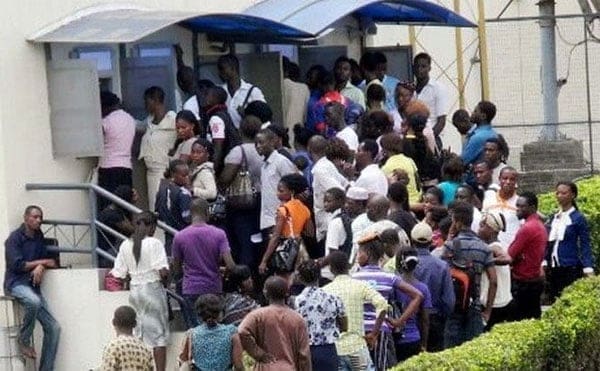
Long queues and wait times at branches remain a major frustration, reinforcing the shift toward digital banking. Banks can respond by strengthening mobile apps with features such as instant account opening, digital loan applications and document submission, alongside AI-powered support and personalised financial tools — reducing the need for in-person visits and aligning services with Ghana’s increasingly digital consumers.