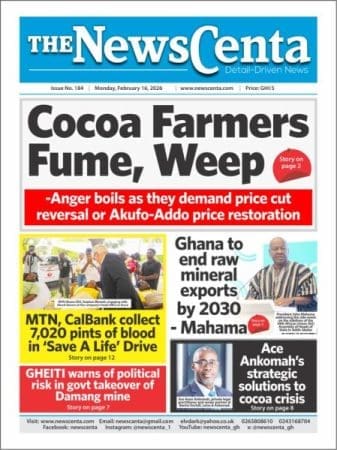
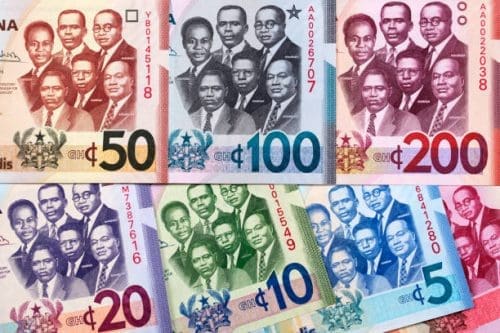
The Ghanaian cedi has emerged as the best‑performing currency in Africa for 2025, according to an analysis by the International Monetary Fund (IMF) covering more than 20 major economies on the continent.
IMF data shows that the cedi appreciated by over 40 per cent against the US dollar throughout 2025, making it the strongest‑performing African currency for the full year.

This latest assessment places Ghana ahead of other regional currencies tracked in the Fund’s review.
The strong showing of the cedi follows a period in which earlier rankings by some financial services and news agencies had placed it lower on the continent.
However, the IMF’s comprehensive year‑end data highlights the currency’s significant gains relative to peers.
Analysts and market watchers attribute the cedi’s rebound to a combination of disciplined macroeconomic policies and reforms supported by the IMF‑backed programme.
Key factors include tighter monetary policy by the Bank of Ghana, substantial increases in foreign exchange reserves, and stronger export‑related inflows that helped foster currency stability. By the end of 2025, Ghana’s international reserves were reported to be near US $14 billion, bolstering confidence in the cedi.
Despite earlier volatility during the year, including episodes where the cedi experienced depreciation pressures, the currency’s full‑year performance against the US dollar remained robust, enabling it to outperform its African counterparts over the full 12‑month period.
The IMF’s findings underline what many economists describe as one of the most notable currency turnarounds in recent African economic history, as the cedi shifted from periods of weakness in prior years to a position of relative strength by the close of 2025.