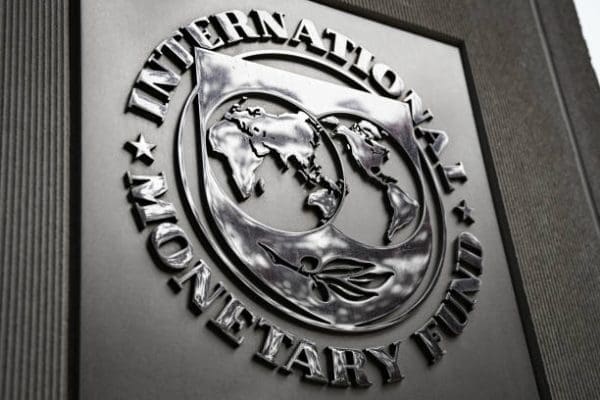
The International Monetary Fund (IMF) has played a major role in the economic management of many countries around the world. Since its establishment in 1944, the IMF has provided financial assistance to nations facing balance-of-payments problems, currency instability, debt crises, or economic shocks. These interventions, commonly known as IMF programmes, often come with policy conditions aimed at restoring macroeconomic stability.
Over the decades, dozens of countries across Africa, Latin America, Europe, Asia, and the Middle East have entered IMF programmes—some repeatedly.
You might also like

Africa
Many African countries have engaged with the IMF, particularly during periods of fiscal distress, commodity price shocks, or structural economic challenges.
Ghana: Ghana has engaged with the IMF 17 times since joining in 1957, with the first bailout occurring in 1966 following the overthrow of Kwame Nkrumah. Other major, recent, or notable years Ghana went to the IMF include 1979, 1983, 2015, and the most recent $3 billion, 3-year extended credit facility approved in 2023.
Nigeria worked with the IMF in the 1980s during its debt crisis, though it has been cautious about borrowing in recent years.
Zambia has entered IMF programmes several times, especially amid debt sustainability challenges.
Kenya, Uganda, Tanzania, and Malawi: These countries have also implemented IMF-supported reforms at different points.
Latin America and the Caribbean
Latin America has a long and complex history with the IMF, particularly during the debt crises of the 1980s and early 2000s.
Argentina is one of the IMF’s largest borrowers historically, with repeated programmes aimed at stabilising inflation and managing debt.
Brazil and Mexico entered major IMF programmes during financial crises in the 1980s and late 1990s.
Jamaica undertook several IMF-supported reforms to address chronic debt and fiscal imbalances.
Ecuador and Bolivia have also had IMF engagements tied to economic restructuring.
Europe
IMF involvement in Europe became especially prominent during the global financial crisis and the Eurozone debt crisis.
Greece received one of the most high-profile IMF programmes between 2010 and 2018 as part of an international bailout.
Portugal, Ireland, and Cyprus also entered IMF-supported programmes to stabilise their economies.
Ukraine has relied on IMF support multiple times, particularly following political instability and external shocks.
Asia
Several Asian countries worked with the IMF during the Asian Financial Crisis of the late 1990s.
South Korea, Indonesia, and Thailand entered IMF programmes after severe currency and banking crises.
Pakistan has a long history of IMF programmes, often linked to fiscal deficits and foreign exchange pressures.
Sri Lanka has entered IMF arrangements during periods of debt and balance-of-payments stress.
Middle East
Egypt implemented IMF programmes in the 1990s and again in recent years to address foreign currency shortages and fiscal imbalances.
Jordan and Tunisia have also worked with the IMF to support economic reforms and stabilise public finances.
Why countries turn to the IMF
Countries typically seek IMF assistance when they face:
Severe budget or trade deficits
Rapid currency depreciation
Unsustainable public debt
Declining foreign reserves
Economic shocks such as pandemics or commodity price collapses
In return for financial support, the IMF often requires policy measures such as fiscal consolidation, subsidy reforms, tax reforms, and changes to monetary policy.
IMF programmes remain controversial. Supporters argue they help restore confidence, stabilise economies, and unlock other sources of funding.
Critics contend that some conditions can lead to social hardship, reduced public spending, and slower growth if not carefully implemented.
IMF programmes have shaped the economic paths of many countries worldwide. While the outcomes have varied, the IMF continues to be a central player in global financial stability, especially for countries navigating economic crises.