
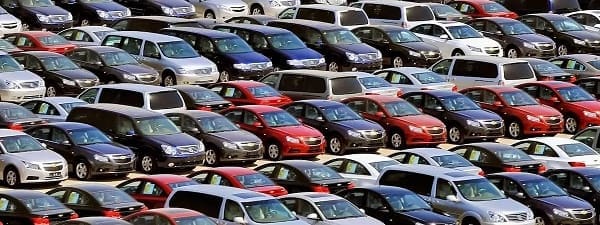


The Automobile Dealers Union of Ghana (ADUG) has announced a 15% reduction in vehicle prices, a move expected to bring relief to prospective car buyers and businesses that rely heavily on transportation.
According to the Union, the decision follows recent improvements in macroeconomic conditions, particularly the relative stability of the Ghana cedi, easing pressures on import-related costs, and the abolition of the COVID-19 levy.
Since most vehicles sold in Ghana are imported, exchange rate fluctuations have traditionally played a major role in determining car prices.
For the past two years, vehicle prices surged sharply as the cedi depreciated against major foreign currencies and import duties, freight charges, and port fees increased.
The dealers, in a statement released on February 15, 2026, issued by the Union’s National President, Eric Kwaku Boateng, noted that this decisive action honours a long-standing commitment to the Ghanaian public.
With the currency showing signs of stability and shipping and clearing costs moderating, the Union said it can now adjust prices downward.
The Automobile Dealers Union officials explained that the reduction will apply to both brand-new and fairly used vehicles across several categories, including saloon cars, SUVs and commercial vehicles. Individual prices may still vary depending on the make, model, engine capacity and year of manufacture.
Impact on consumers and businesses
The 15% price cut is expected to improve access to vehicles, especially for ride-hailing drivers, delivery operators and small enterprises that depend on transportation to operate. Transport sector operators have long argued that high vehicle costs contribute to increased transport fares and the rising cost of living.
Reason for high cost
For several months, the automotive market in Ghana faced significant upward pressure due to:
- Exchange rate volatility
- High import duties
- Increased shipping costs
- Global supply chain pressures
The Union stated that its members have acted in “good faith and with a strong sense of national responsibility” to adjust prices now that the exchange rate environment has improved.
- Brand-new vehicles
- Hybrid and electric vehicles
- Home-used (second-hand) vehicles