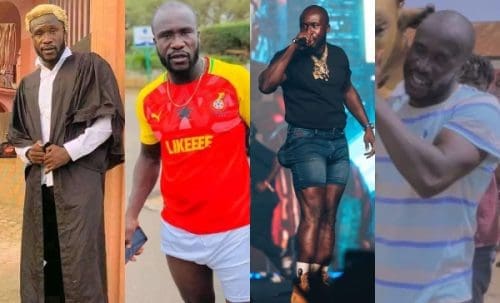
In the evolving landscape of Ghana’s entertainment industry, few names have risen as rapidly and as remarkably as Akabenezer, popularly known as Dr. Likee.
His comic style — rooted deeply in Kumasi street culture, everyday Ghanaian experiences, and the expressive vibrancy of the Asante language — has reshaped audience expectations and redefined local digital entertainment.


At a time when the country has long sought a sustainable, locally produced comedy series capable of capturing both authenticity and mass appeal, Akabenezer has emerged as an answer.
Akabenezer’s journey is a testament to the power of cultural relevance.
Through short, engaging, and hilariously relatable skits, he has become one of the most dominant local content creators in Ghana.
His drama pieces — often shot in the bustling suburbs of Kumasi — reflect scenes that resonate deeply with Ghanaian daily life: the struggles of survival, the humour embedded in communal living, and the interactions that define the typical Ghanaian neighbourhood.
He draws heavily from Asante idioms, local wit, and the raw, unfiltered expressions common within Kumasi communities.
This grounded approach has not only made his skits popular but has also allowed Ghanaians across different regions and the diaspora to reconnect with the textures of authentic homegrown humour.
With millions of followers across TikTok, YouTube, Facebook, and Instagram, Akabenezer has demonstrated the power of social media as a democratizing force in content creation.
Without a major production house, national broadcaster, or corporate sponsorship behind him at the start, he managed to build a content empire from the streets — and audiences simply responded.
One reason for Akabenezer’s accelerating rise is his collaborative approach.
His platform has introduced a new generation of actors, comedians, and storytellers who feature prominently in his skits. Young talents like Shifu, Kyekyeku, 39/40, Papa Kumasi, and many others have found visibility through their involvement in what has organically become a production team.
This model mirrors a micro-creative economy where lighting personnel, editors, camera operators, costume designers, and upcoming actors earn a living through consistent content creation.
Akabenezer’s team has effectively created an informal yet impactful “social media Kumawood,” reviving interest in local drama production and inspiring similar creative collectives across the country.
In essence, his exploits demonstrate that Ghana’s creative industry has untapped potential to employ thousands — even without huge budgets or government intervention — if given the right policy support and digital infrastructure.
What sets Akabenezer apart is his insistence on staying true to local culture.
His heavy use of Twi, particularly the Asante dialect, has proven that language is not a barrier to entertainment consumption.
Just like Nollywood popularised pidgin English and regional Nigerian expressions, Akabenezer is helping to project Asante humour to non-Twi speakers and even non-Ghanaians who follow his content for the vibrant expressions and comedic timing.
His stories often highlight:
- Street survival culture
- Moral lessons presented through satire
- The hustle and unpredictability of urban life
- Themes of loyalty, betrayal, love, greed, and opportunity
These narratives reflect the heart of Ghanaian society, making him a cultural ambassador in his own right.
His work preserves the essence of Ghanaian humour and serves as a living archive of contemporary local life.
Why Ghana needs a National Creative Arts Policy that supports talents like Akabenezer
Despite the evident contributions of local comedians and content creators, Ghana still lacks a comprehensive and implementable policy framework to harness the full potential of its creative industry.
The rise of Akabenezer highlights the urgent need for policies that deliberately:
Provide funding and production grants
Creators like Akabenezer often rely on personal funds and support from collaborators.
Government-backed grants or partnerships could boost content quality, scale up production, and enable more creators to break into the space.
Support digital content creators
Social media comedy is no longer a hobby; it is a multi-million-dollar industry worldwide.
Ghana must create tax-friendly environments, digital monetization incentives, and reduced data costs to encourage digital creators.
Strengthen intellectual property protection
Piracy remains a major problem. Clear regulations and stronger enforcement mechanisms will protect creators and ensure they earn from their work.
Invest in talent development and training
Film schools, creative centres, and digital arts incubators should be established or expanded to help emerging creators refine their craft.
Build infrastructure for local content production
Studios, editing labs, and community theatres will significantly improve content production quality and boost employment.
Promote Ghanaian content internationally
Akabenezer’s brand is exportable. Ghana needs deliberate international cultural exchange programmes and digital partnerships to push local creatives onto global platforms.
How Ghana can benefit strategically from talents like Akabenezer
Ghana stands to gain immensely if it recognises the economic and cultural power of expanding its creative sector.
Job creation
Local content production creates employment for actors, directors, editors, costume designers, marketers, and more.
Tourism growth
Just as Nigeria leveraged Nollywood to promote its culture worldwide, Ghana can use comedy and drama to boost tourism and international curiosity.
Cultural preservation
Local comedy strengthens the use of Twi and other Ghanaian languages, ensuring cultural continuity.
National branding
Creators like Akabenezer present Ghana as a vibrant, humorous, and culturally rich country, strengthening the nation’s global image.
Youth empowerment
Millions of young people now see content creation as a viable career path, reducing unemployment pressures.
Conclusion
Akabenezer’s rise is more than a personal success story — it is a case study in what Ghana’s creative landscape can achieve when talent meets authenticity and digital innovation.
His comedic exploits have spotlighted the rich storytelling potential embedded in Ghana’s suburbs, particularly Kumasi, while proving that local content can achieve global traction.
His journey makes a compelling argument for why Ghana must urgently implement a robust creative arts policy that nurtures, protects, and promotes local talents.
With the right structures in place, Ghana can unlock a thriving creative economy that boosts employment, strengthens cultural identity, and positions the country as a major player in Africa’s entertainment renaissance.
By Frema Adunyame
Broadcast Journalist
Head of Events & Partnerships, Channel One TV and Citi FM