
Govt to borrow GH¢84.9bn to finance 2027 budget
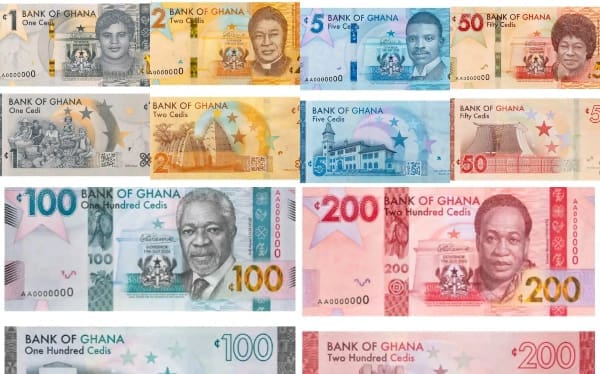
New Ghana cedi cotes
Ghana plans to raise GH¢84.9 billion in net domestic financing in 2027 to cover its projected budget deficit and external debt repayments, as the government shifts financing to the local market while paying down external debt.
The 2027 Budget projects a cash fiscal deficit of GH¢65.8 billion, equivalent to 3.6% of gross domestic product (GDP), and a net external debt repayment of GH¢17.7 billion.
The government does not plan to borrow on international capital markets to meet that external obligation, leaving domestic financing to cover both needs.
The projected domestic borrowing has raised concerns that it could absorb local bank liquidity, push up Treasury yields and crowd out lending to businesses.
Critics say that reliance on local banks could work against the Minister’s goal of bringing commercial lending rates into single digits.
The Ministry argues that improved domestic liquidity, lower inflation and active liability management will allow the market to absorb the issuance without destabilising interest rates.
Debt stock rises despite restructuring relief
Provisional public debt increased from GH¢640.1 billion at the end of December 2025 to GH¢759.3 billion by the end of October 2026—an increase of GH¢119.2 billion in ten months.
The October figure represented 47.5% of GDP.
The government assesses debt sustainability through the debt-to-GDP ratio and the primary balance.
The ratio remained below the 55% medium-term benchmark.
The primary surplus is projected to narrow from 1.5% of GDP in 2026 to 0.5% in 2027, equivalent to GH¢9 billion.
The reduction is intended to create room for a GH¢30 billion “New Economy” capital expenditure programme.
GH¢29bn buyback targets February maturity
The government plans to use GH¢29 billion accumulated in the Cedi Sinking Fund to retire domestic DDEP bonds maturing in February 2027 ahead of schedule.
The buyback is intended to smooth a major repayment hump and reduce short-term refinancing and default risk.
The early repayment will not cancel debt or shrink the net debt stock while deficits continue to be financed through new borrowing.
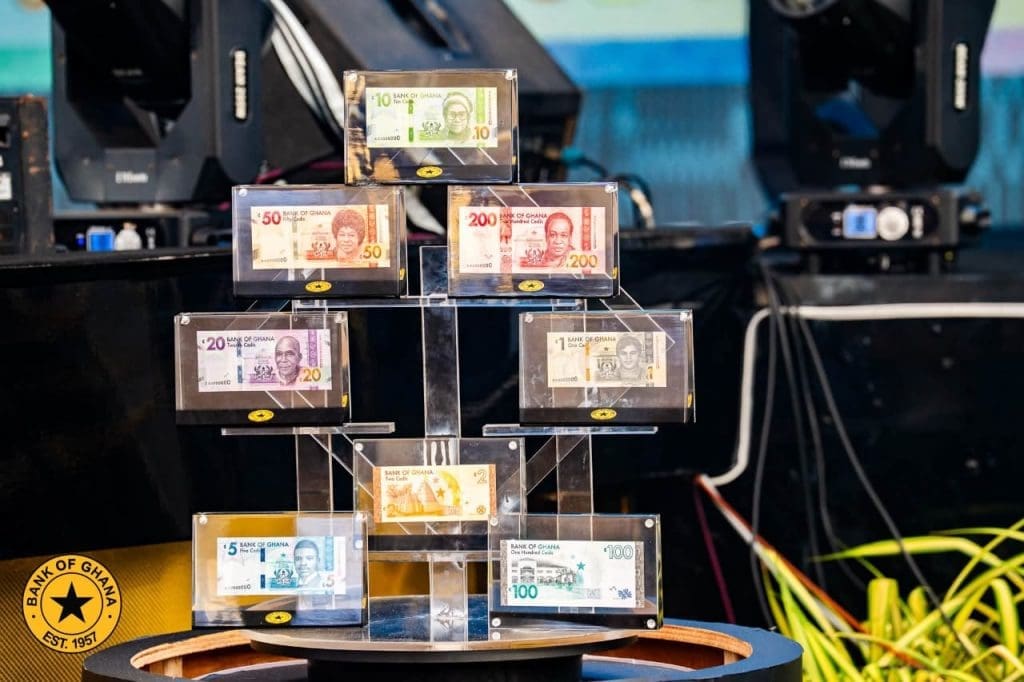
The Sinking Fund was partly capitalised using ring-fenced revenues and market borrowings in 2026.
Fiscal Council to assess budget projections
The five-member Independent Fiscal Council was established under the Public Financial Management (Amendment) Act, 2025 (Act 1136).
Parliament cleared its members in late August 2026, and President John Dramani Mahama inaugurated the Council on September 8, 2026.
The Council is chaired by Dr. Emmanuel Oteng Kumah. Its members are former Bank of Ghana Governor Dr. Henry Kofi Wampah, Prof. Patrick Opoku Asuming, Leslie Dwight Mensah and J. Kweku Bedu-Addo.
Now operational, it is expected to face public scrutiny over how visibly and independently it assesses the 2027 Budget’s revenue and deficit projections.
Restructuring brought debt-service relief
In June 2024, Ghana reached an agreement with international commercial bondholders to restructure roughly $13.1 billion in Eurobonds.
Bondholders accepted a 37% nominal haircut, cancelling $4.7 billion in debt and providing a further $4.4 billion in cash-flow relief through 2026.
Negotiations with the Official Creditor Committee, co-chaired by France and China, secured approximately $2.8 billion in debt-service relief between 2023 and 2026.
Launched in late 2022, the Domestic Debt Exchange Programme restructured approximately GH¢137 billion in local cedi-denominated bonds.
It provided short-term fiscal breathing room by lowering coupon rates and extending bond maturities into later years.


